Find another title
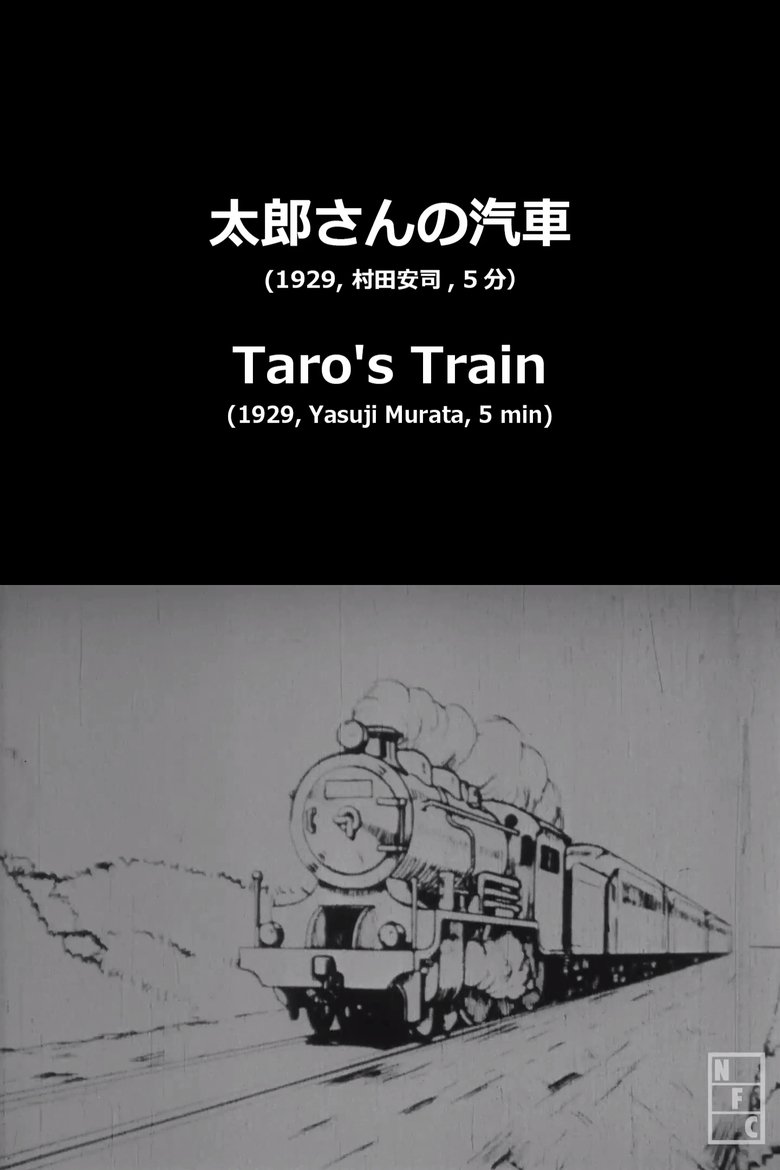
Taro's Toy Train
1929
Director
Yasuji Murata
Runtime
15 minutes
Average Rating
No ratings yetSynopsis
A train conductor goes about his duty. All the characters are animals in human form. Hippo ladies in dresses try to jam into cars and other passengers pull jokes and cause havoc.
Where to Watch
Diversity & Representation
Overall Score
Limited
Category Breakdown
LGBTQ+ Representation
The film lacks any evidence of LGBTQ+ characters or non-cisnormative identities. The narrative focuses entirely on slapstick comedy involving anthropomorphic animals.
Gender Representation
Female characters, such as hippo ladies in dresses, appear to follow traditional feminine archetypes. They function primarily as comedic foils rather than characters with significant agency.
Racial & Ethnic Diversity
The cast consists of anthropomorphic animals in human form. While animal species can serve as metaphors for social groups, the specific depth of this representation remains unclear.
Religious & Cultural Diversity
The story relies on traditional slapstick structures and situational chaos. It does not engage with critiques of institutions, religion, or systemic power structures.
Disability Representation
There is no indication of characters with visible or invisible disabilities. The plot centers on the kinetic energy of the train journey and passenger antics.
Strengths
- The use of anthropomorphic animals provides a unique, stylized visual framework for the animation.
Areas for Improvement
- The film relies on traditional gender archetypes rather than providing characters with agency.
- There is a lack of representation for LGBTQ+ identities and characters with disabilities.
- The narrative lacks meaningful exploration of cultural or systemic diversity.
AI Analysis
Taro's Toy Train is a product of its era, prioritizing physical comedy and slapstick over complex character development. The use of anthropomorphic animals provides a stylized world, but it lacks the depth required for meaningful social commentary. The film relies heavily on established tropes, particularly regarding gendered archetypes. While the animal cast offers a unique visual language, the narrative does not use these characters to explore intersectional identities or systemic issues. Ultimately, the work functions as a genre-specific comedy. It lacks the progressive representation or sociopolitical subversion necessary to achieve a higher diversity rating.
Rate this Movie
Reviews
No reviews yet. Be the first to share your thoughts on this movie!
Use the rating form above to leave a star rating and optional review.