Riding the Rails
1938
No user ratings available yet
Representation score: 2.0 out of 10
Representation Score
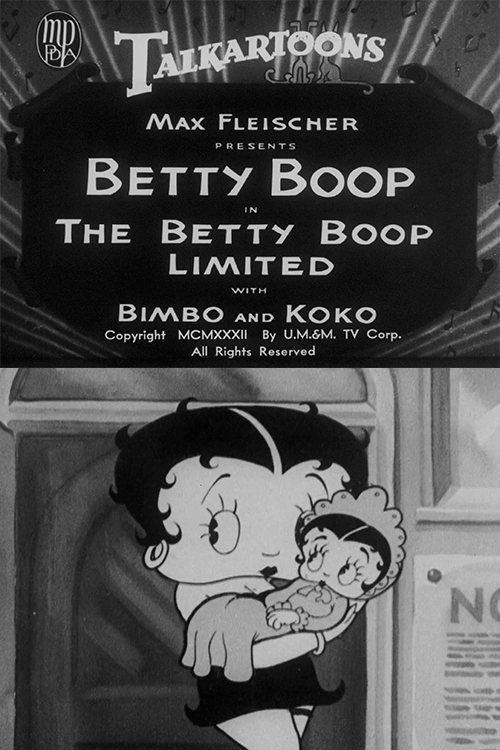
Limited
1932
Director
Dave Fleischer
Runtime
7 minutes
Average Rating
No ratings yetNew Showbiz Analysis
The film primarily showcases surreal animation and musical performances. While Betty Boop's leadership disrupts some passive female archetypes, the work remains rooted in traditional entertainment clichés. The narrative lacks complexity, focusing on lighthearted variety acts rather than disrupting social hierarchies or exploring diverse identities. Overall, the film reflects the era's standard character design patterns and emphasizes escapism through musical momentum.
Category Breakdown
The film showcases a troupe's musical performance through surreal animation. However, there are no explicit depictions of same-sex relationships or non-binary gender identities.
Betty Boop leads her troupe and drives the musical momentum, which challenges the passive female roles common in the era. However, the lack of interpersonal conflict limits the depth of this subversion.
The character designs for Betty, Bimbo, and Koko follow a uniform pattern typical of 1932. There is no indication of significant racial blending or the use of non-human characters as ethnic metaphors.
The film sets a lighthearted variety showcase using a Western industrial train motif. It prioritizes escapism and entertainment over any institutional critique.
The film does not depict physical or neurodivergent disabilities. Character movements are stylistic choices rather than representations of specific disabilities.
Present on Screen
Limited or Absent
Official Synopsis
On a special train, Betty's show troupe rehearses: Betty sings, Bimbo juggles, and Koko does a soft-shoe. The train itself also does tricks.
1938
1933
1932
1933
1932
1933
1932
1932
No reviews yet. Be the first to share your thoughts on this movie!
Use the rating form above to leave a star rating and optional review.