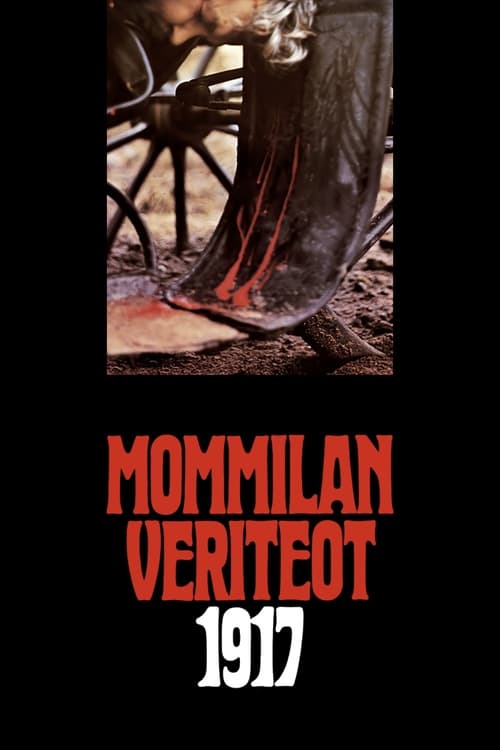
Mommilan veriteot 1917
1973
No user ratings available yet
Representation score: 1.5 out of 10
Representation Score
Limited
1959
Director
Matti Kassila
Runtime
97 minutes
Average Rating
No ratings yetNew Showbiz Analysis
Matti Kassila’s historical drama captures a pivotal moment in Finnish history, focusing on the transition from static agrarian life to a politically engaged society. The film succeeds in depicting the friction between traditional social structures and the emergence of democratic ability to act. While the film lacks modern diversity, it offers a meaningful look at class consciousness. The narrative's strength lies in its exploration of systemic change and the shifting boundaries of social organization during the first parliamentary elections. However, the work remains limited by its historical setting, resulting in an ethnically homogeneous cast and a lack of representation for LGBTQ+ identities or individuals with disabilities.
Category Breakdown
The film focuses on the socio-political awakening of a rural community. There is no evidence of LGBTQ+ identities or narratives challenging the assumption that everyone is straight or cisgender.
Riikka provides a subtle challenge to gendered expectations by moving from the domestic sphere into the political landscape. She actively seeks political knowledge rather than remaining a passive observer.
The cast is ethnically homogeneous, reflecting the demographic realities of early 20th-century Finland. The narrative focuses on local class and political tensions rather than multi-ethnic dynamics.
The story explores the tension between traditional agrarian structures and emerging collective political identities. It highlights the breakdown of old power hierarchies through the lens of democratic elections.
There is no documented evidence of characters with visible or invisible disabilities. No such characters are used as narrative devices in this historical drama.
Present on Screen
Limited or Absent
Official Synopsis
The story of the first elections in Finland. Farmer Topi Romppainen lives a modest life with his family in Kainuu in the early 20th century. While shopping in the village, Topi hears about the upcoming parliamentary elections. His wife Riikka decides to find out more and ends up at a meeting of the Social Democrats.
1973
2015
1968
1989
1946

2010
1978
1978
No reviews yet. Be the first to share your thoughts on this movie!
Use the rating form above to leave a star rating and optional review.