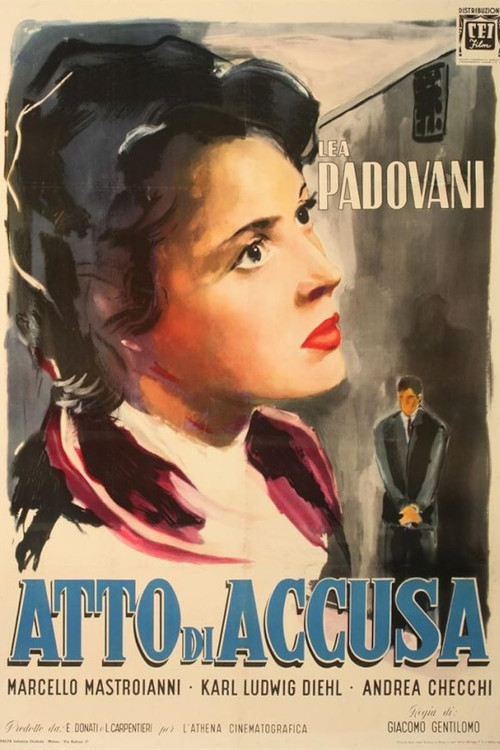
The Accusation
1950
No user ratings available yet
Representation score: 0.6 out of 10
Representation Score
Minimal
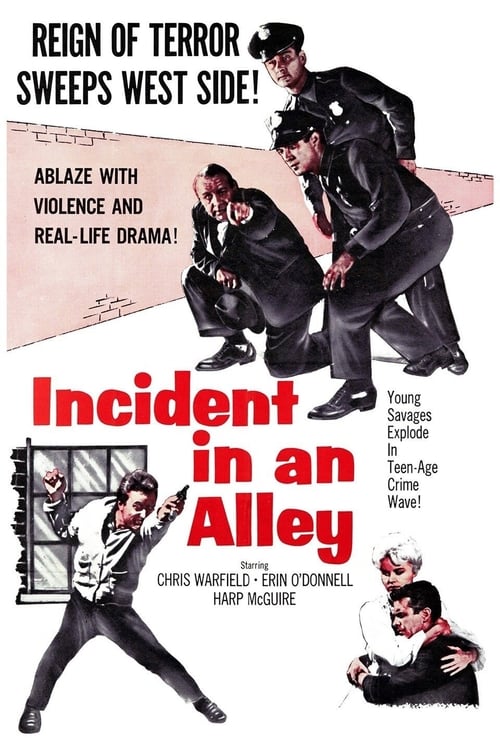
1962
Not RatedDirector
Edward L. Cahn
Runtime
83 minutes
Average Rating
No ratings yetNew Showbiz Analysis
Incident in an Alley is a conventional crime drama that prioritizes genre-standard clichés over the disruption of social norms. The narrative focuses almost exclusively on the internal moral conflict of a single policeman grappling with guilt following a manslaughter acquittal. The film reflects the cinematic constraints of 1962, adhering to traditional hierarchies. It explores the psychological burden of justice and individual morality but lacks diverse representation or systemic critique. Ultimately, the production operates within a standard social framework, offering a character-driven study rather than a diverse or subversive social commentary.
Category Breakdown
The film follows a standard mid-century crime drama framework. It contains no non-binary or transgender characters and does not challenge traditional views on gender and sexuality.
Female characters exist primarily to provide emotional stakes for the male protagonist. They play minor roles and do not challenge traditional gender hierarchies.
The film features a homogeneous cast typical of early 1960s urban crime cinema. There is no evidence of significant racial blending or characters of color with substantial influence.
The story functions as a character study within a traditional legal framework. It lacks the deconstruction of Western institutions seen in more contemporary works.
There is no evidence of characters with visible or invisible disabilities being integrated into the narrative or portrayed with significant influence.
Present on Screen
Limited or Absent
Official Synopsis
A policeman is accused of manslaughtering a 14-year-old boy but is acquitted of all charges. Still, he feels a lot of guilt and begins to doubt if he really is innocent after all.
1950

1979

1966

1940
1951
1948
1955
1956
No reviews yet. Be the first to share your thoughts on this movie!
Use the rating form above to leave a star rating and optional review.