Moscow, Tverskaia Street
1896
No user ratings available yet
Representation score: 1.0 out of 10
Representation Score
Minimal
1904
Director
Frank S. Mottershaw, Arnold Muir Wilson
Runtime
42 minutes
Average Rating
No ratings yetNew Showbiz Analysis
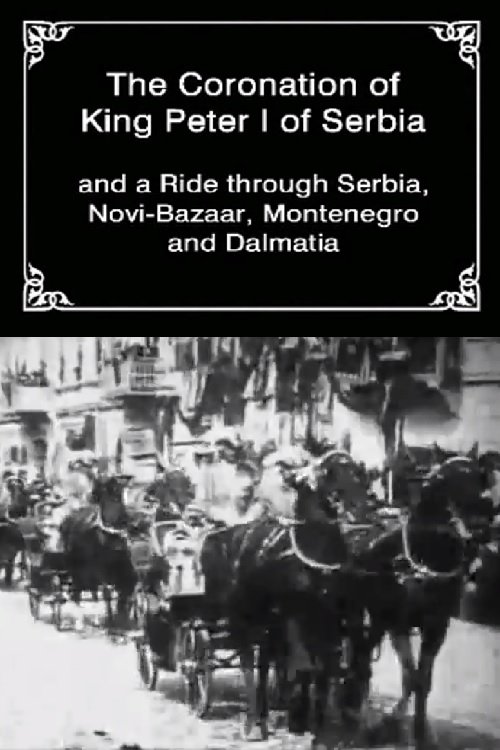
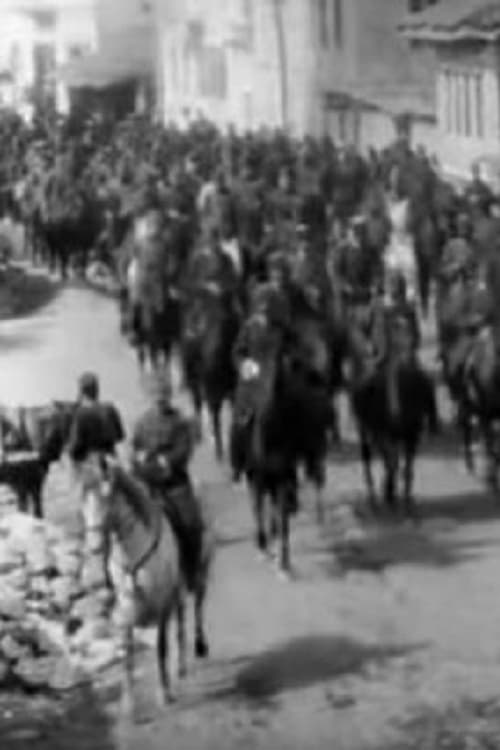
This archival documentary serves as a historical record of the 1904 coronation of King Peter I. As a newsreel of a specific monarchical event, it naturally reflects the rigid social hierarchies and traditional structures of the early 20th century. The film documents the stability of existing institutions rather than challenging them. Consequently, the representation is limited to the homogeneous national identity and patriarchal norms of the time. While it offers a valuable ethnographic window into Balkan life, it lacks the diversity and varied perspectives found in modern cinema.
Category Breakdown
The film does not include any LGBTQ+ characters or non-straight identities. The formal state protocols of 1904 do not allow for any visibility of queer identities.
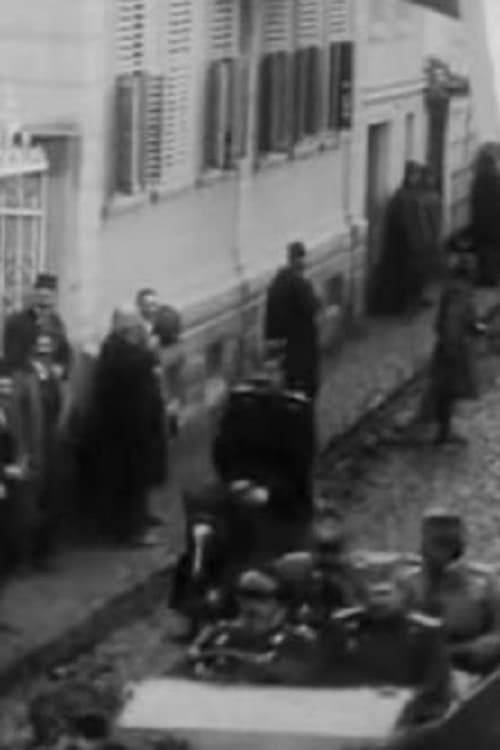
The film focuses on male-dominated military and state institutions. Women appear in traditional roles, supporting or observing everyday life in the streets.
The film shows a relatively homogeneous ethnic landscape consistent with the Kingdom of Serbia in 1904. It lacks multicultural blending or diverse casting.
The work upholds traditional European institutionalism and monarchical sanctity. It reinforces state power through religious and civic rituals without presenting secular critiques.
There is no visible representation of physical or neurodivergent disabilities in the ceremonial parades or street scenes.
Present on Screen
Limited or Absent
Official Synopsis
Belgradian parades and everyday street scenes.
1896

1905
1908

1905
1905
1908
1911
1918
No reviews yet. Be the first to share your thoughts on this movie!
Use the rating form above to leave a star rating and optional review.