![Movie poster for Count of Montebello and General de Boisdeffre going to the Kremlin [Moscow]](https://image.tmdb.org/t/p/w500/60BnpAieOtriCDrNqqykdVAN0lZ.jpg)
Count of Montebello and General de Boisdeffre going to the Kremlin [Moscow]
1896
No user ratings available yet
Representation score: 0.3 out of 10
Representation Score
Minimal
1896
Director
Charles Moisson
Runtime
1 minutes
Average Rating
No ratings yetNew Showbiz Analysis
This archival documentary captures the everyday life of Moscow during a coronation in 1896. Since it is an observational record, it does not have a strong narrative or character development. The film highlights the stability of the Imperial Russian social order, reinforcing the existing hierarchies of the monarchy and the Orthodox Church through its focus on state ceremony. The lack of diversity is a result of the era's documentary style. The footage provides a direct view of a specific historical moment without constructing a broader social critique.
Category Breakdown
The footage does not show any clear depictions of queer relationships or non-cisgender identities. It focuses on documenting a historical event rather than exploring individual identities.
Women are shown among the crowd, reflecting the traditional gender roles and social structures of late 19th-century Russia.
The passers-by represent the ethnic diversity found in Moscow during the time of the Russian Empire. It is a straightforward depiction of the city’s population at that specific historical moment.
The film captures a significant religious and cultural event—the coronation of the Tsar—and emphasizes the traditional role of the monarchy and the Orthodox Church.
There is no indication of individuals with visible or invisible disabilities playing a central role or being used as plot devices in the film.
Present on Screen
Limited or Absent
Official Synopsis
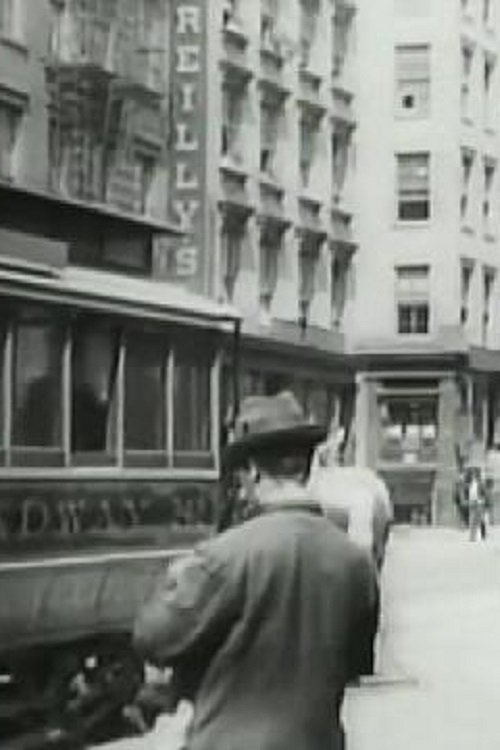
Circulation of passers-by and cars in the paved street on the occasion of the Tsar's coronation.
1896

1896
1904
1896
1896
1896
1896
1896
No reviews yet. Be the first to share your thoughts on this movie!
Use the rating form above to leave a star rating and optional review.