
The Human Centipede 2 (Full Sequence)
2011
No user ratings available yet
Representation score: 1.8 out of 10
Representation Score
Fair
2015
NRDirector
Tom Six
Runtime
103 minutes
Average Rating
No ratings yetNew Showbiz Analysis
The film excels as a postmodern satire, providing a brutal deconstruction of Western capitalist structures and systemic corruption. It effectively uses its dystopian setting to critique the predatory nature of unchecked wealth and moral relativism. However, this thematic depth does not translate to identity-based representation. The narrative prioritizes shock value and dehumanization, resulting in a lack of intentionality regarding gender, race, and sexual orientation. Ultimately, the work functions more as a critique of social institutions than a study of human identity. While culturally provocative, it fails to provide ability to act or nuance to underrepresented groups.
Category Breakdown
The film does not include prominent LGBTQ+ characters or storylines. The narrative focuses on physical and psychological trauma, leaving no room for exploring non-straight relationships.
Male characters dominate the screen through aggressive and manic behavior. Female characters have little control over their situations, often appearing as secondary figures or victims within the central power dynamic.
A diverse cast of prisoners and staff populate the Las Vegas setting. However, characters tend to blend together as part of a larger, grotesque mass rather than standing out as unique individuals.
The film offers a harsh critique of Western hyper-capitalism. It portrays wealth as a corrupting force that undermines traditional ethics, law, and social stability.
Physical impairments are used primarily as a tool for shocking the viewer. The film focuses on extreme mutilation and bodily transformation rather than nuanced representations of actual disabilities.
Present on Screen
Limited or Absent
Official Synopsis
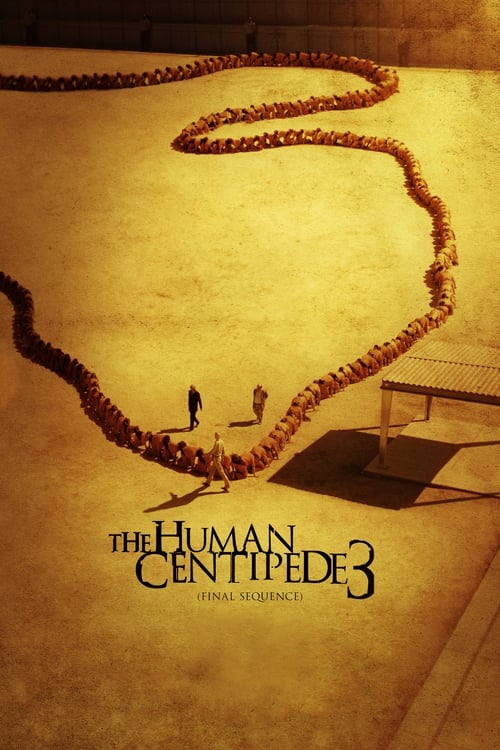
Taking inspiration from The Human Centipede films, the warden of a notorious and troubled prison looks to create a 500-person human centipede as a solution to his problems.
2011
1982
2009

1986
2003

1995

2015

2004
No reviews yet. Be the first to share your thoughts on this movie!
Use the rating form above to leave a star rating and optional review.