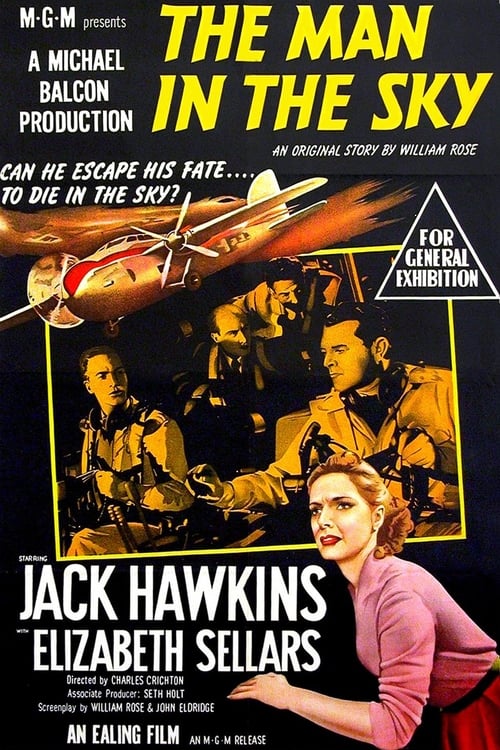
The Man in the Sky
1957
No user ratings available yet
Diversity score: 2.0 out of 10
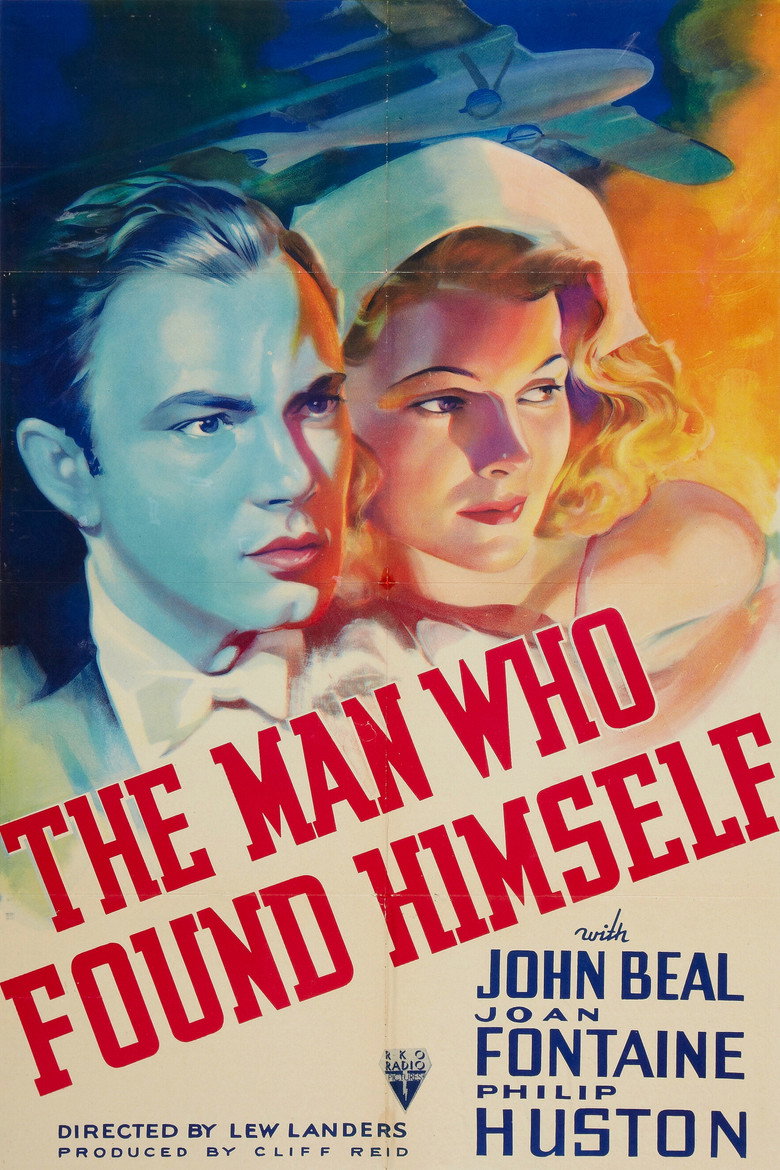
1937
PassedDirector
Lew Landers
Runtime
67 minutes
Average Rating
No ratings yetSynopsis
Young Jim Stanton is a conscientious surgeon, but spends too many off-duty hours pursuing his passion for aviation to suit his stuffy father. When it is discovered that a passenger killed in a plane that Jim crashes was a married woman, the resulting scandal prompts the hospital to put Jim on probation. His pride wounded, Jim takes to the open road and enjoys the simpler life of a vagabond. In Los Angeles--where he is arrested for vagrancy and put to work on a road crew--Jim runs into old pal Dick Miller, who gets him a job as a mechanic for Roberts Aviation. But maintaining his anonymity becomes more difficult, particularly when a pretty nurse, Doris King, decides to make Jim's redemption her personal crusade.
Overall Score
Limited
Category Breakdown
LGBTQ+ Representation
The film centers on a traditional romantic interest between Jim Stanton and Doris King. There is no evidence of non-heteronormative identities or same-sex intimacy.
Gender Representation
Male agency drives the plot through Jim's struggle for redemption. While Doris King acts as a catalyst for his recovery, she lacks independent narrative agency.
Racial & Ethnic Diversity
The story focuses on a white, Western professional class. There is no indication of diverse characters or non-Anglo-Saxon individuals in positions of agency.
Religious & Cultural Diversity
Themes emphasize personal responsibility and social reintegration. The narrative reinforces traditional values of industriousness rather than critiquing Western social structures.
Disability Representation
The film contains no mention of characters navigating physical or mental disabilities.
Strengths
Areas for Improvement
AI Analysis
The Man Who Found Himself is a conventional 1930s character study that adheres strictly to the social hierarchies of its era. The narrative focuses on a white, male protagonist navigating professional scandal and personal redemption, reinforcing traditional masculine archetypes. Representation is limited by the era's studio norms. The film lacks intersectional depth, focusing instead on the restoration of social standing and the maintenance of established Western values. Female characters function primarily as supporting elements to the male lead's journey. Ultimately, the film operates within a narrow, heteronormative framework. It prioritizes individual moral recovery over any systemic critique or diverse character perspectives.
1957
1942
1927
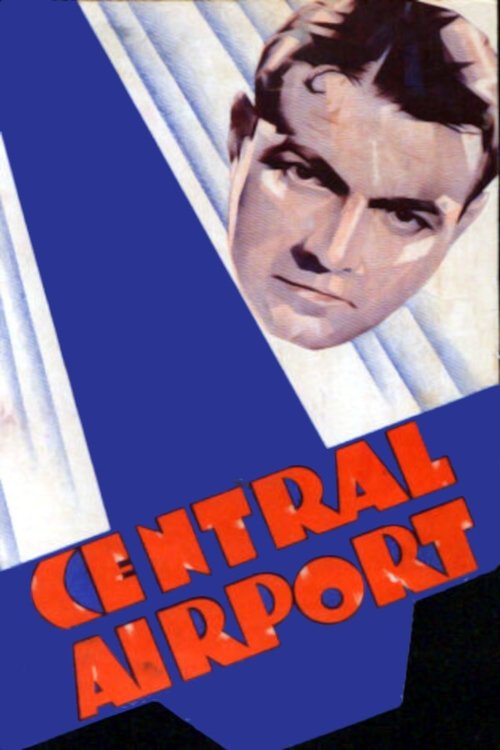
1933
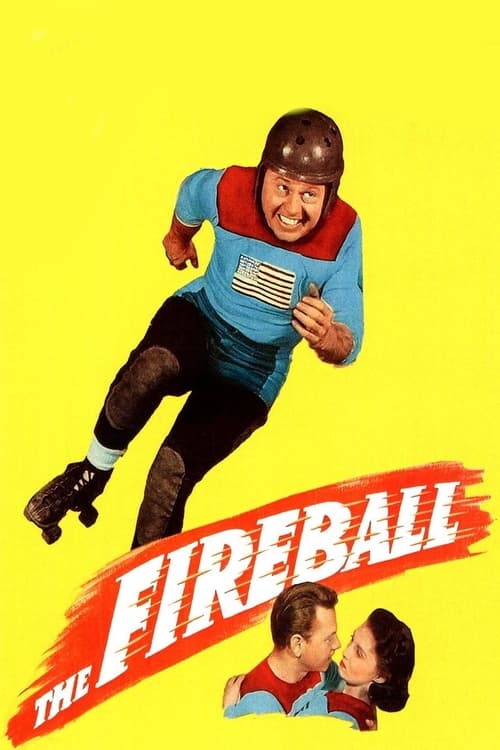
1950
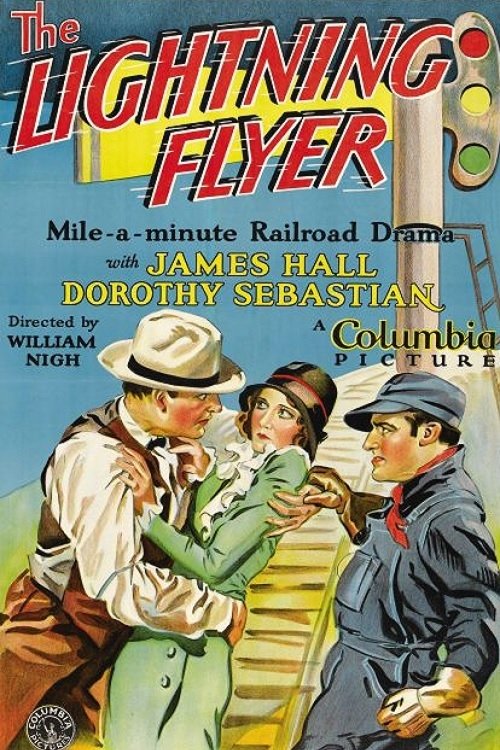
1931
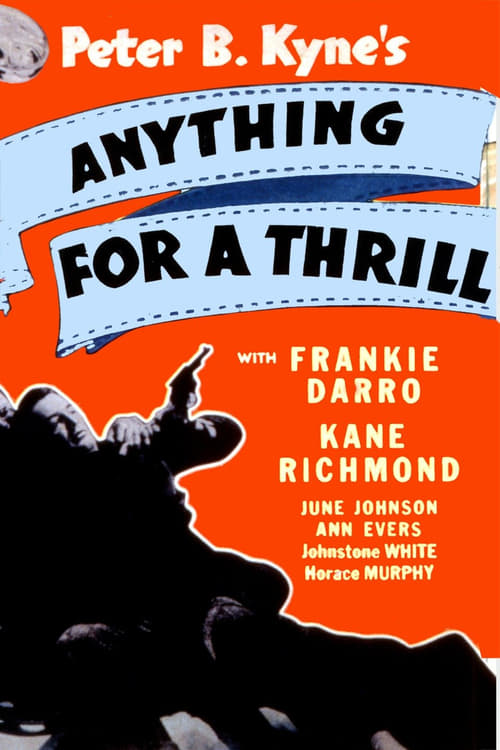
1937
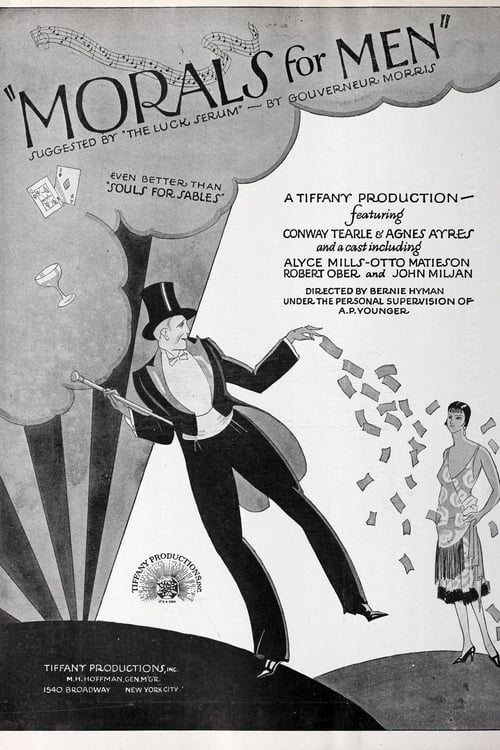
1925
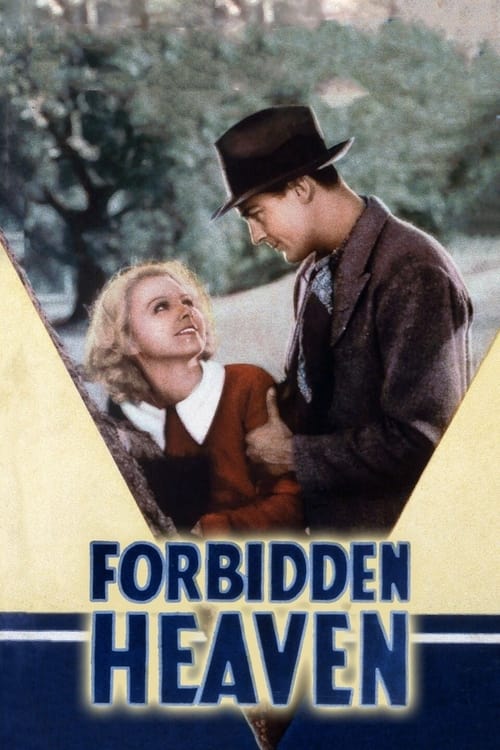
1935

1949
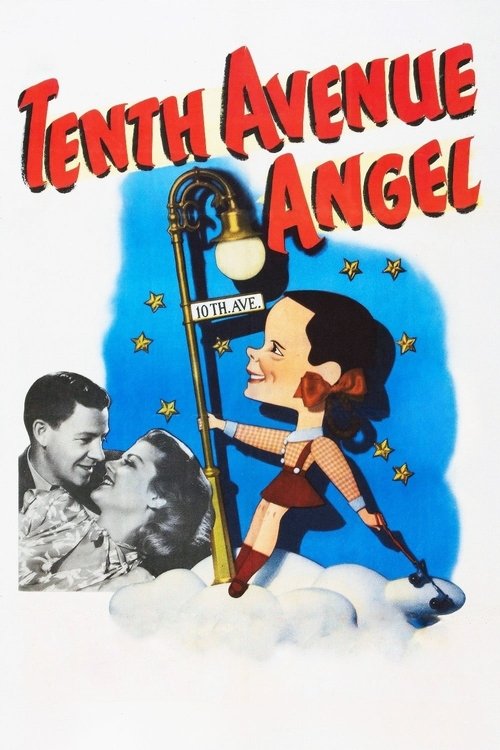
1948
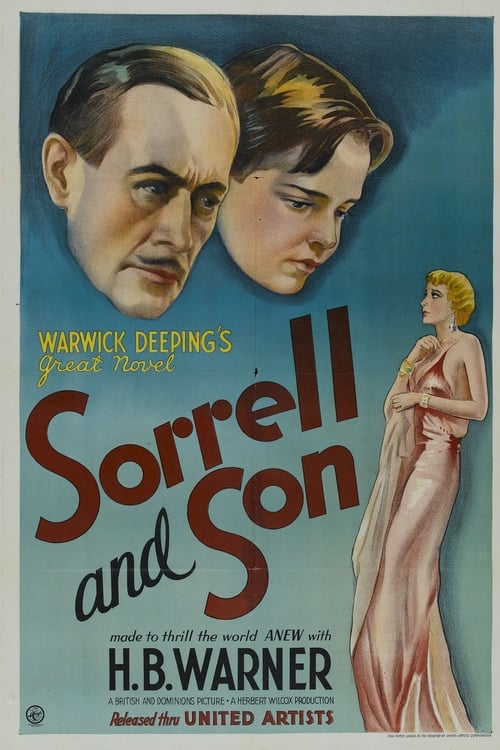
1934
No reviews yet. Be the first to share your thoughts on this movie!
Use the rating form above to leave a star rating and optional review.