
Left Behind
2015
No user ratings available yet
Representation score: 3.8 out of 10
Representation Score
Good
1991
RDirector
Maurizio Nichetti, Guido Manuli
Runtime
97 minutes
Average Rating
No ratings yetNew Showbiz Analysis
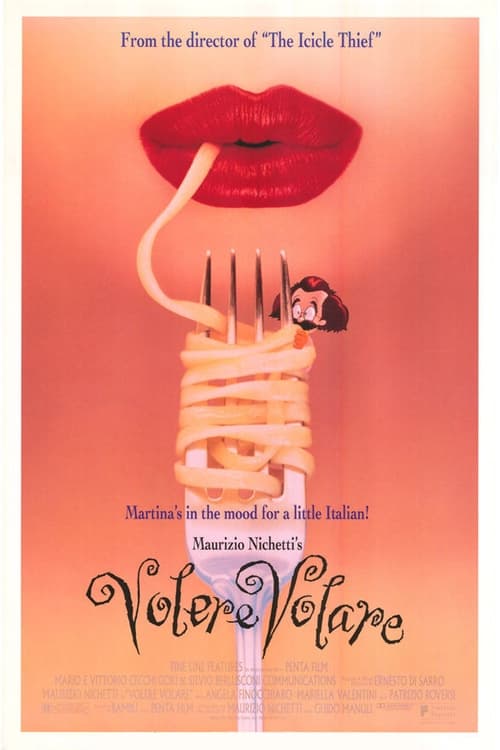
To Want to Fly is a surrealist comedy that prioritizes visual metaphor and stylistic experimentation over social commentary. Its narrative is driven by a fantastical experience rather than multi-layered identity politics. The film succeeds in challenging traditional narrative structures through its focus on magical realism. However, it lacks a diverse demographic footprint, remaining a localized, character-centric study of a male protagonist. Ultimately, the work functions as a specialized piece of European surrealism. It challenges ontological boundaries but offers little in the way of systemic representation or diverse social perspectives.
Category Breakdown
The film does not include any explicit LGBTQ+ characters or narratives. The story revolves around a surreal transformation rather than exploring non-straight relationships.
The story centers on a male protagonist's physical crisis. There is no information about female characters or the subversion of gender roles.
As an Italian production from 1991, the film reflects its era's regional demographics. It lacks evidence of diverse casting or non-Anglo-Saxon majority representation.
The narrative disrupts reality by blurring the lines between the human and animated worlds. This surrealist approach prioritizes internal experience over social norms.
The protagonist's hands gaining autonomy serves as a metaphor for physical dysfunction. However, the film's treatment of bodily autonomy remains purely comedic and fantastical.
Present on Screen
Limited or Absent
Official Synopsis
Maurizio works in a dubbing studio and puts sound effects into cartoons. One day his hands turn into cartoon ones, with a life of their own.
2015
1988
1996
1951
1970

1989

1994

1900
No reviews yet. Be the first to share your thoughts on this movie!
Use the rating form above to leave a star rating and optional review.