
He Was Her Man
1934
No user ratings available yet
Diversity score: 2.6 out of 10

1938
NRDirector
Garson Kanin
Runtime
79 minutes
Average Rating
No ratings yetSynopsis
On the day of his funeral, a dedicated smalltown doctor is remembered by his neighbors and patients.
Overall Score
Minimal
Category Breakdown
LGBTQ+ Representation
The film lacks any presence of non-cisnormative identities. It operates within the traditional social frameworks of the late 1930s without queer-coded character arcs.
Gender Representation
The narrative centers on masculine social structures and male social dynamics. It reinforces traditional gender roles rather than subverting mid-century hierarchies.
Racial & Ethnic Diversity
The production depicts a homogeneous social fabric typical of 1930s small-town America. There is no evidence of significant racial diversity or characters of color with agency.
Religious & Cultural Diversity
The story portrays a standard middle-class American community emphasizing social conformity. It examines the pressures of maintaining traditional institutions like family and community.
Disability Representation
There is no evidence of characters with visible or invisible disabilities. The cast follows the standard neurotypical and physical frameworks of the era.
Strengths
Areas for Improvement
AI Analysis
A Man to Remember functions as a period-accurate study of small-town social cohesion and masculine development. The film adheres strictly to the demographic and social norms of 1938, focusing on the life of a dedicated doctor and the communal expectations surrounding him. While the film provides a character-driven look at mid-century American life, it lacks intersectional complexity. The narrative reinforces existing social hierarchies rather than challenging them, resulting in a very narrow demographic scope. Ultimately, the film is a conventional drama that reflects the homogeneous and traditional social structures of its time.
1934
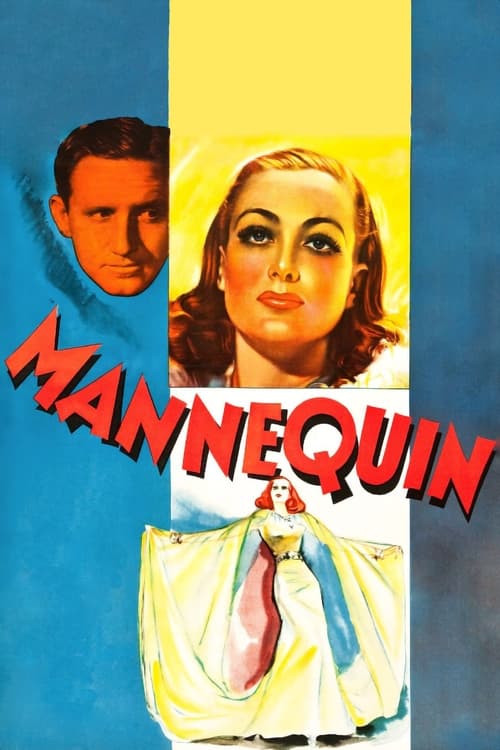
1938

1931

1933
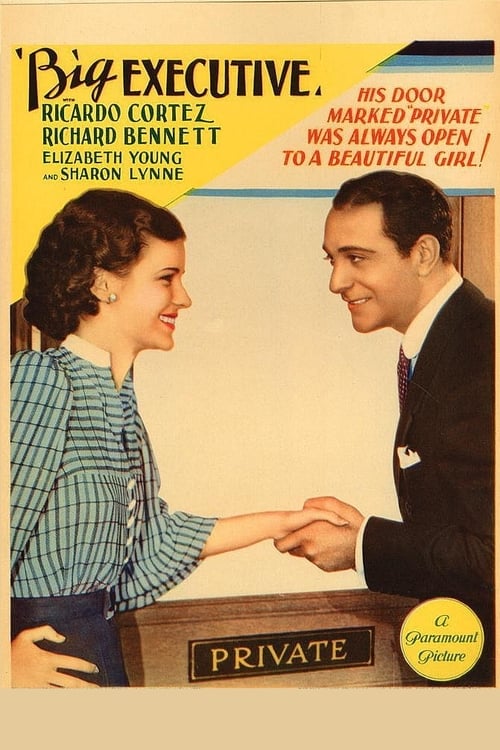
1933

1948
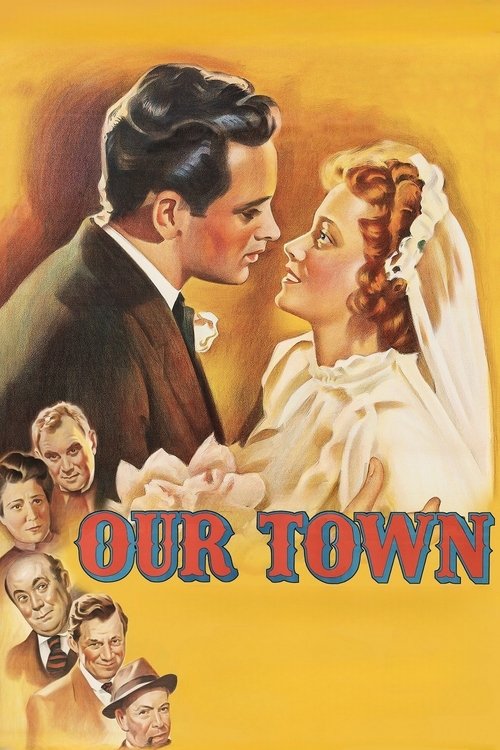
1940

1939
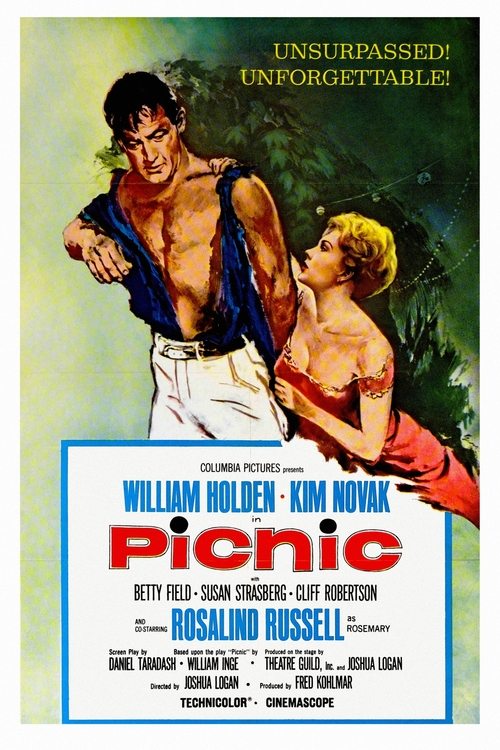
1955
1933

1941
1947
No reviews yet. Be the first to share your thoughts on this movie!
Use the rating form above to leave a star rating and optional review.