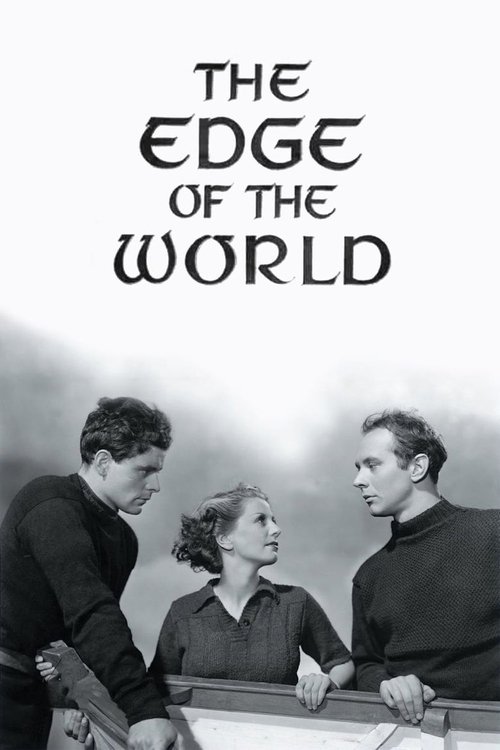
The Edge of the World
1937
No user ratings available yet
Diversity score: 2.6 out of 10
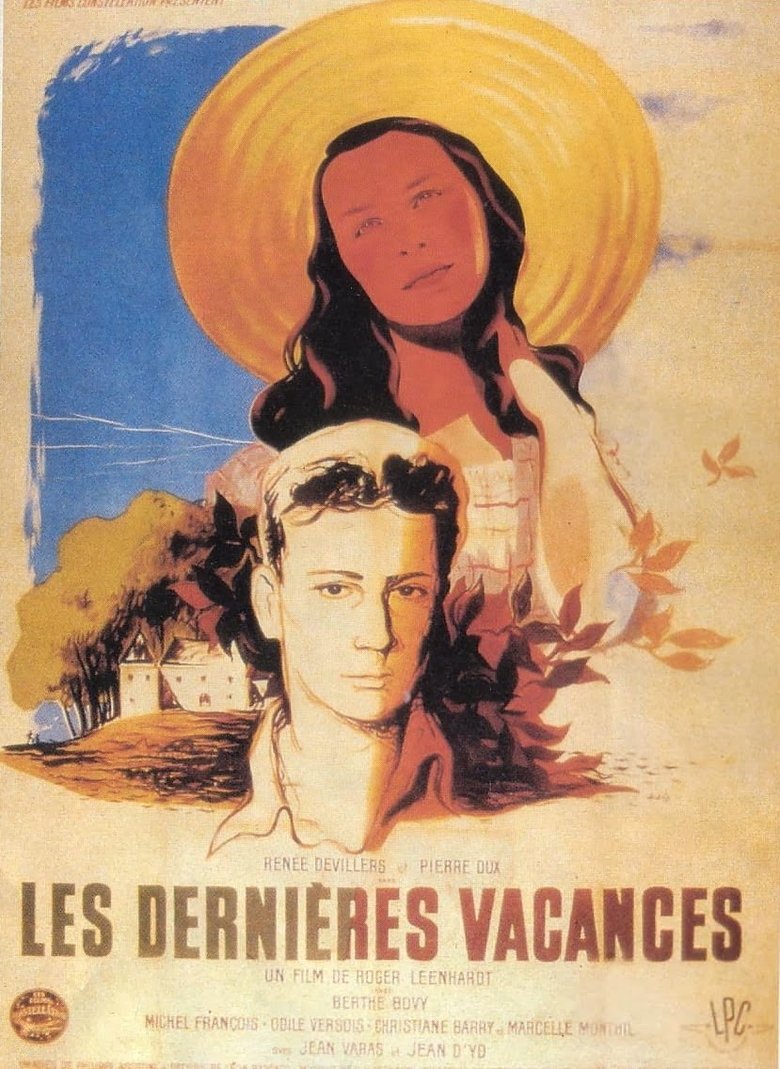
1948
Director
Roger Leenhardt
Runtime
91 minutes
Average Rating
No ratings yetSynopsis
A schoolboy remembers his last holiday in the big house of his family in the country, before it was sold.
Overall Score
Limited
Category Breakdown
LGBTQ+ Representation
The film focuses on familial memory and the loss of a family estate. There is no evidence of non-cisnormative identities or narratives that critique heteronormativity.
Gender Representation
The narrative structure suggests a traditional domestic setting centered around a family big house. While female characters are implied, there is no indication of non-traditional gender roles.
Racial & Ethnic Diversity
Set in a French country estate during 1948, the film likely reflects the homogeneous social structures of that era. No diverse ethnic perspectives are present.
Religious & Cultural Diversity
The story engages with themes of class and the decline of the landed gentry. It presents these through a lens of nostalgia rather than systemic critique.
Disability Representation
There is no information regarding characters with visible or invisible disabilities within the narrative.
Strengths
Areas for Improvement
AI Analysis
The Last Vacation is a traditional period drama that prioritizes nostalgia and the dissolution of landed wealth. The story follows a schoolboy reflecting on his family's final holiday in a country estate before its sale, a premise that leans heavily into mid-century dramatic tropes. Because the narrative focuses on historical preservation and class transition, it lacks active deconstruction of social or identity-based hierarchies. The film appears to function as a study of familial heritage rather than a tool for social subversion. Ultimately, the film's framework suggests a conventional approach to storytelling, emphasizing the passage of time and the loss of traditional institutions without challenging the status quo.
1937
1938

1938

1941
1954

1953

1943

1933
1940
1948
1941

1957
No reviews yet. Be the first to share your thoughts on this movie!
Use the rating form above to leave a star rating and optional review.