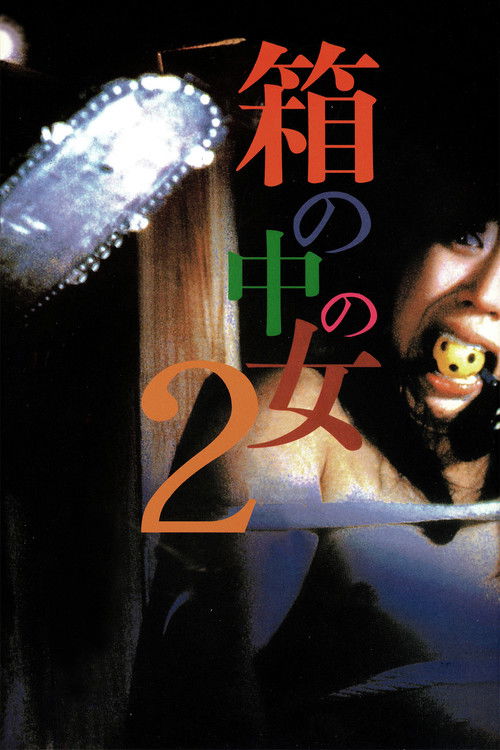
Woman in a Box 2
1988
No user ratings available yet
Representation score: 2.2 out of 10

Representation Score
Limited
1985
Director
Masaru Konuma
Runtime
82 minutes
Average Rating
No ratings yetNew Showbiz Analysis
Masaru Konuma’s film is a niche exploitation thriller built on the mechanics of confinement and victimization. The narrative structure prioritizes visceral horror and transgressive themes over progressive representation or challenging social hierarchies. The film relies heavily on traditional gendered clichés, positioning the female lead as a passive subject of trauma. This lack of control, combined with a homogeneous Japanese cast, results in a narrow demographic scope. Ultimately, the work functions as a genre piece that utilizes extreme interpersonal dynamics to fulfill horror requirements rather than engaging with sociopolitical or multi-layered themes.
Category Breakdown
The film centers around a predatory couple and a single female victim. It does not include characters with non-binary gender identities or narratives that question the assumption that everyone is straight or cisgender.
The story relies on extreme clichés of victimization and dominance. The female protagonist is a passive recipient of trauma and does not play a significant role in driving the plot.
As a 1985 Japanese production, the cast and setting are inherently homogeneous. It lacks diverse representation or intentional demographic blending.
The story explores social deviance and criminality through a psychological thriller lens. It does not offer a critique of specific religious or secular values.
Physical and mental suffering are used primarily as horror tools. There is no evidence of characters with disabilities being given real power or control over their situations.
Present on Screen
Limited or Absent
Official Synopsis
A young virgin is captured by an abnormal couple. The girl is kept locked in a wooden box, and subjected to sexual torture and abuse. Loosely inspired by the real-life case of Colleen Stan.
1988

2003

1986

1972

2004

2007

1974

2013
No reviews yet. Be the first to share your thoughts on this movie!
Use the rating form above to leave a star rating and optional review.