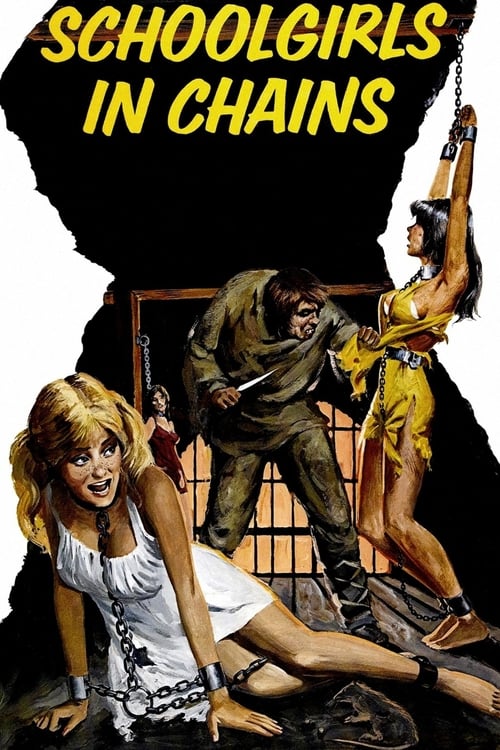
Schoolgirls in Chains
1973
No user ratings available yet
Representation score: 0.1 out of 10

Representation Score
Minimal
1972
RDirector
Wes Craven
Runtime
84 minutes
Average Rating
No ratings yetNew Showbiz Analysis
Wes Craven’s work focuses on deconstructing social safety and genre conventions rather than demographic representation. The film prioritizes visceral realism and the erosion of moral certainty over traditional inclusion. While the film scores low on traditional diversity metrics, it excels in challenging middle-class morality. It uses moral ambiguity to blur the lines between law-abiding citizens and criminals through shared savagery. The narrative serves as a critique of Western institutional stability, particularly the perceived sanctity of the family unit and the effectiveness of the social contract.
Category Breakdown
The film does not include any LGBTQ+ characters or representations of non-straight relationships. Relationships are confined to traditional heterosexual norms.
Gender roles are defined by extreme power disparities and brutal violence. The story challenges traditional patriarchal norms by showing the failure of male guardianship.
The cast is primarily white, reflecting the demographic makeup of its 1970s suburban setting. There is no indication of intentional diverse representation.
The story questions the nuclear family structure, depicting it as capable of extreme anti-social behavior. It critiques the social contract through themes of vigilantism.
There are no characters with visible or invisible disabilities playing central roles in the narrative. Characters are defined by their actions during violent confrontations.
Present on Screen
Limited or Absent
Official Synopsis
On the eve of her 17th birthday, Mari and friend Phyllis set off from her family home to attend a rock concert in the city. Attempting to score some drugs on the way, the pair run afoul of a group of vicious crooks, headed up by the sadistic Krug.
1973
1976

1987

1978

2005
1977

2001
1990
No reviews yet. Be the first to share your thoughts on this movie!
Use the rating form above to leave a star rating and optional review.