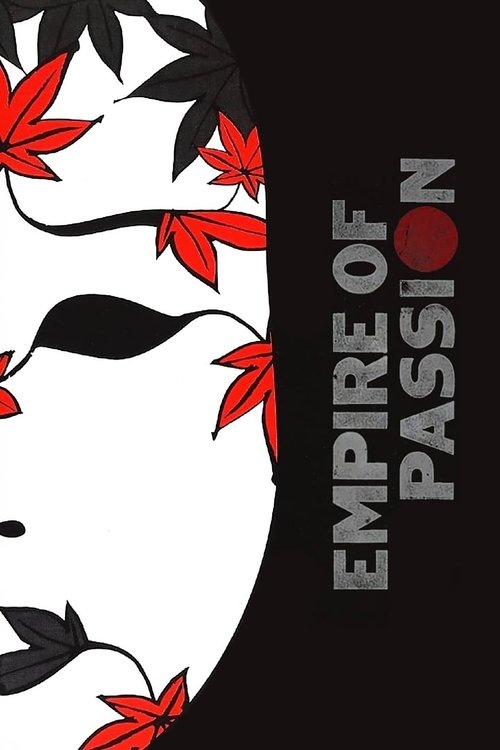
Empire of Passion
1978
No user ratings available yet
Representation score: 6.1 out of 10
Representation Score
Limited
1974
Director
Masaru Konuma
Runtime
71 minutes
Average Rating
No ratings yetNew Showbiz Analysis
Masaru Konuma’s film operates as a psychological drama that subverts traditional domestic stability. It avoids idealized romantic clichés, opting instead for a volatile exploration of obsession and the breakdown of marital structures. The film lacks modern markers of diversity, such as LGBTQ+ or diverse racial representation. It functions primarily as a genre-driven study of psychological instability within a culturally homogeneous setting. Ultimately, the work finds its strength in its willingness to challenge conventional social norms. It disrupts the portrayal of the family as a positive institution, favoring a more morally ambiguous framework.
Category Breakdown
The film focuses solely on the relationship between a former husband and wife, with no indication of LGBTQ+ identities or narratives.
The story centers on a male figure's dark obsession, suggesting a male-driven conflict. However, the genre typically provides female protagonists with significant psychological complexity.
As a 1974 Japanese production, the film features a culturally homogeneous cast reflecting the demographic reality of its time without seeking diverse casting.
The narrative deconstructs the ideal family unit by framing domestic life through horror, replacing stable social ideals with a more cynical, relativistic view of connection.
There is no information available regarding the depiction of physical or neurodivergent disabilities in this work.
Present on Screen
Limited or Absent
Official Synopsis
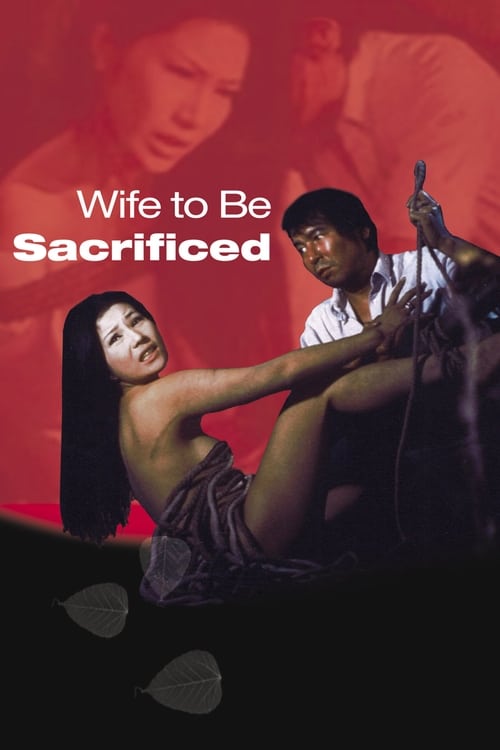
A former husband with a dark obsession returns to his ex-wife’s life, ready to unleash a torrent of cruel, perverse devotion.
1978

1976

1977

2015

2004

1975

1976

1974
No reviews yet. Be the first to share your thoughts on this movie!
Use the rating form above to leave a star rating and optional review.