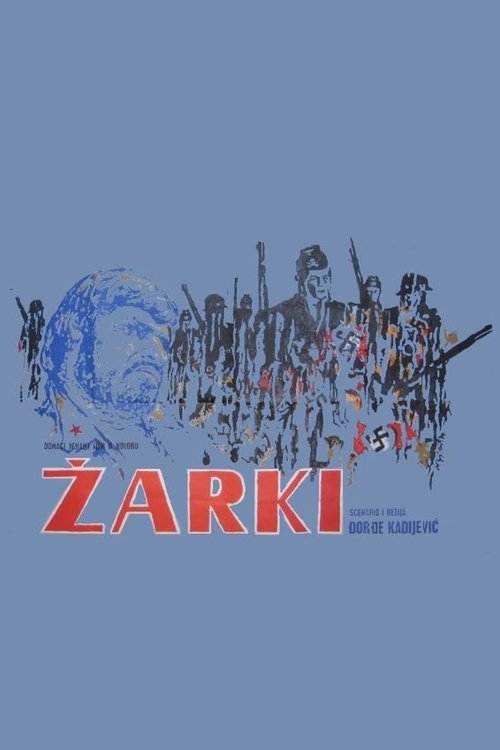
Zarki
1970
No user ratings available yet
Representation score: 3.5 out of 10

Representation Score
Limited
1963
Director
Stole Janković
Runtime
82 minutes
Average Rating
No ratings yetNew Showbiz Analysis
Radopolje is a somber exploration of communal trauma that challenges conventional wartime triumphalism. By focusing on the female experience of loss, the film disrupts standard military-centric storytelling. The film's strength lies in its focus on the psychological and social consequences of institutional violence. It presents the village as a site of profound systemic trauma rather than a mere backdrop for conflict. However, the narrative is limited by its narrow focus on a specific regional identity and a lack of representation for LGBTQ+ identities or disability.
Category Breakdown
The film does not include any representation of LGBTQ+ identities or queer themes. The story focuses on the survival of a village after wartime losses.
The narrative disrupts traditional patriarchal structures by emphasizing the emotional weight on female characters. Kata Plecas becomes a central figure tasked with interpreting the village's future after the men are killed.
As a period war drama, the film centers on a specific regional ethnic identity. It explores the dynamics of ethnic survival against external imperial or occupying forces.
The film delves into themes of systemic harm and collective mourning. It challenges heroic war narratives by presenting a somber, realistic portrayal of loss and institutional violence.
There are no specific details regarding physical or neurodivergent representation in the narrative.
Present on Screen
Limited or Absent
Official Synopsis
German retaliation expedition burned down the village of Radopolje and killed all the men. When first men appear in the village after the war, Kata Plecas believes they will renew the village. But these men die as well and the question if Radopolje will be the "village of black scarves" again remains.
1970
1996
1972

1948
1966
1958
1972
1975
No reviews yet. Be the first to share your thoughts on this movie!
Use the rating form above to leave a star rating and optional review.