The Confrontation
2006
No user ratings available yet
Representation score: 2.0 out of 10
Representation Score
Limited
1975
RDirector
Zdravko Velimirović
Runtime
91 minutes
Average Rating
No ratings yetNew Showbiz Analysis
Massacre at Noon is a politically complex work that prioritizes class and systemic struggle over identity-based representation. It functions as a study of how institutional power and occupying forces manipulate truth to maintain order during the 1941 Serbian uprising. While the film lacks diversity in terms of LGBTQ+, gender, and disability, it offers a sophisticated cultural critique. It avoids traditional heroic war clichés, instead focusing on the grim realities of resistance and the deconstruction of authority. Ultimately, the film's strength lies in its anti-imperialist framework and its exploration of moral relativism within a localized, historical conflict.
Category Breakdown
The film focuses entirely on the geopolitical and communal tensions of wartime Yugoslavia. There are no LGBTQ+ characters or non-straight relationships portrayed.
The social landscape is dominated by male-led political and military structures. Women appear as part of the civilian population but largely occupy conventional roles without challenging gender hierarchies.
The cast reflects the local Yugoslavian population within a specific regional struggle. Representation is homogeneous, mirroring the localized, rural setting of the 1941 uprising.
The film excels by challenging Western-aligned historical hegemony through its critique of institutional power. It portrays the tension between individual truth and the state's demand for collective stability.
There are no characters with visible or invisible disabilities used as central narrative drivers. The film does not explore neurodivergence or physical impairment.
Present on Screen
Limited or Absent
Official Synopsis
In Autumn of 1941, the German army, determined to put down a Communist-led uprising in Serbia, is conducting a policy of killing 100 hostages for any German soldier killed. The city of Kraljevo is the site of one of those massacres, portrayed in this movie.
2006
1996
1981
2019
1978
1960
1976
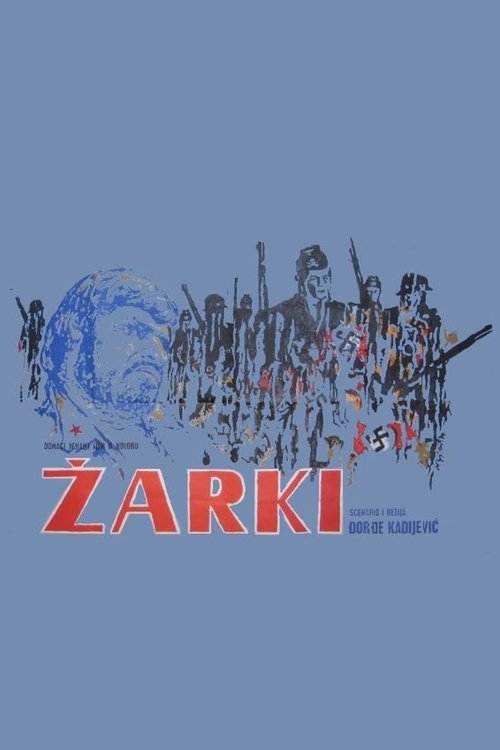
1970
No reviews yet. Be the first to share your thoughts on this movie!
Use the rating form above to leave a star rating and optional review.