Blue Aces Wild
1973
No user ratings available yet
Representation score: 3.3 out of 10
Representation Score
Fair
1934
NRDirector
David Hand
Runtime
9 minutes
Average Rating
No ratings yetNew Showbiz Analysis
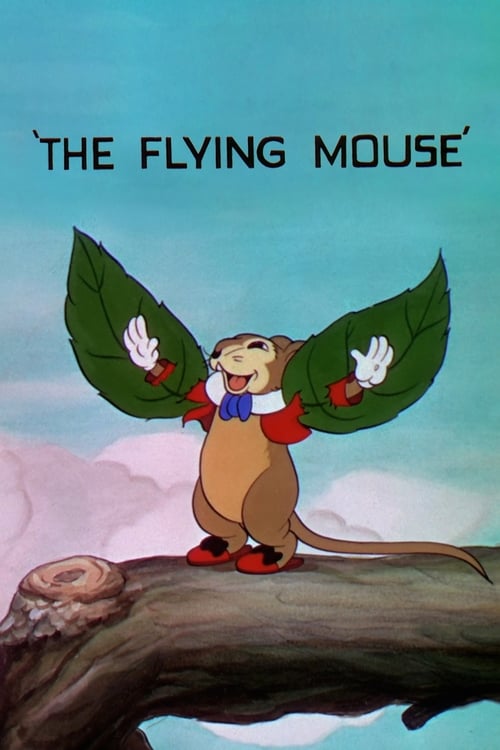
The Flying Mouse is a traditional moral fable using animal metaphors to explore social exclusion. While it touches on identity, it stays within the storytelling structures of its time. The film's strength lies in its exploration of the outsider experience, offering a subtle critique of rigid social categorization. However, it lacks the complex, multi-layered representation of modern animation.
Category Breakdown
The film does not explicitly depict LGBTQ+ identities or relationships outside the norm. The story revolves around a protagonist seeking acceptance but does not include clear signs of queer identity.
The story centers on a young male protagonist and his brothers, following traditional 1930s character types without challenging gender hierarchies or presenting non-traditional roles.
With an anthropomorphic cast, the film does not show intentional efforts to include diverse backgrounds. The animal metaphors do not clearly challenge Anglo-centric norms.
The film examines social isolation through the 'outsider' archetype. The protagonist's fight against strict social categories highlights the tension between personal identity and societal expectations.
The protagonist faces physical differences due to his bat-like appearance. This addresses themes of navigating a world not designed for his unique physical traits.
Present on Screen
Limited or Absent
Official Synopsis
To the tune "I Would Like to Be a Bird," a young mouse fashions wings from a pair of leaves, to the great amusement of his brothers when his attempts to use them fail. When the butterfly he rescues from a spider proves to be a fairy, he wishes for wings. But his bat-like appearance doesn't fit in with either the birds or the other mice, and he finds himself friendless; even the bats make fun of him. Written by Jon Reeves
1973
1941
1938
1933
1947
1974
1952
1968
No reviews yet. Be the first to share your thoughts on this movie!
Use the rating form above to leave a star rating and optional review.