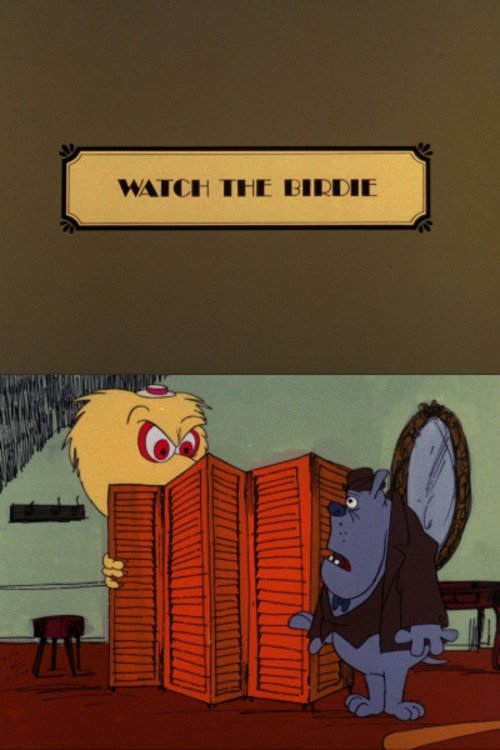
Watch the Birdie
1975
No user ratings available yet
Diversity score: 3.6 out of 10

1974
GDirector
Robert Balser
Runtime
6 minutes
Average Rating
No ratings yetSynopsis
Blue Racer becomes depressed when he realizes he's a hideous snake. When Dr. Owlsley-Hoot tells him that he is only what he thinks he is, Blue Racer decides to become a sheepdog, unaware of what a sheepdog actually is.
Overall Score
Limited
Category Breakdown
LGBTQ+ Representation
The story focuses on Blue Racer's internal shift regarding his perceived nature. However, there is no explicit depiction of same-sex intimacy or non-cisnormative identities.
Gender Representation
The narrative centers on male-coded characters like Blue Racer and Dr. Owlsley-Hoot. It lacks female characters in positions of power or intellect.
Racial & Ethnic Diversity
The film uses an anthropomorphic animal cast as a metaphorical framework. There is no evidence of race-bending or using species to critique racial hierarchies.
Religious & Cultural Diversity
The film explores subjective morality through the idea of self-construction. It does not explicitly critique Western institutions or organized religion.
Disability Representation
Blue Racer experiences a psychological struggle described as depression. The narrative uses this as a character catalyst rather than a nuanced exploration of neurodivergence.
Strengths
Areas for Improvement
AI Analysis
Little Boa Peep functions as a traditional fable centered on a singular character's journey toward self-actualization. While the theme of 'becoming what one thinks one is' touches on identity fluidity, the film lacks explicit representation of marginalized groups. The narrative structure prioritizes social integration over systemic critique. The protagonist's resolution involves finding validation through traditional roles rather than deconstructing social norms. Ultimately, the film remains a standard character study. It uses its animal metaphor to explore individual identity without providing the intersectional complexity found in more progressive works.
1975
1934
1938
1964
1960
1948
1937

1946
1973
1958
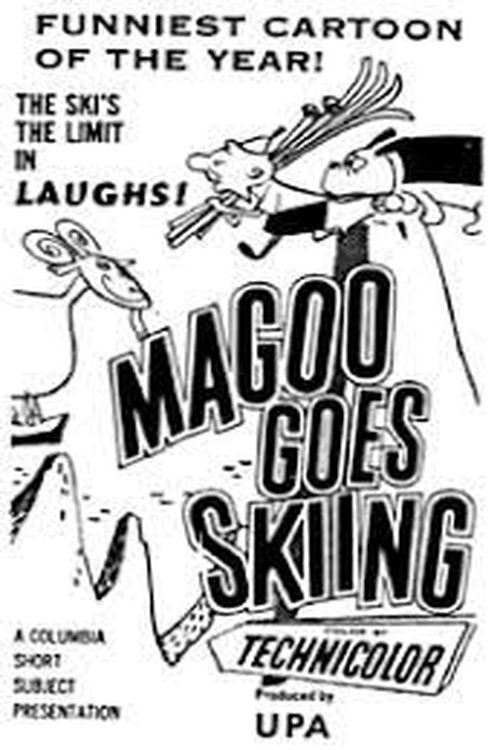
1954
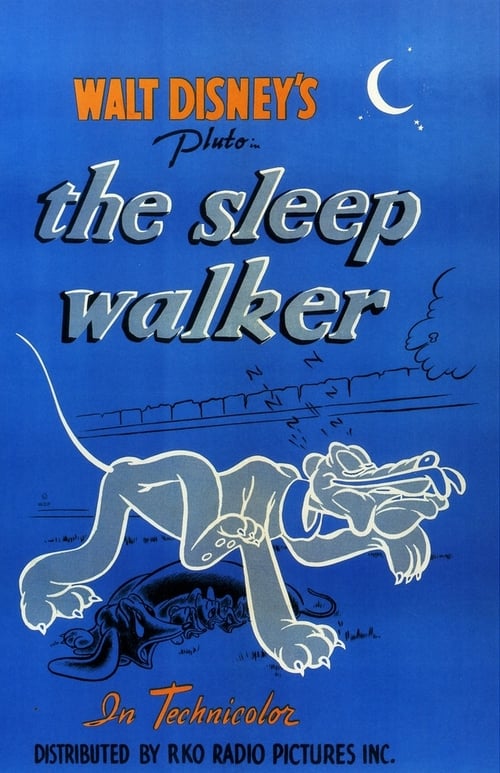
1942
No reviews yet. Be the first to share your thoughts on this movie!
Use the rating form above to leave a star rating and optional review.