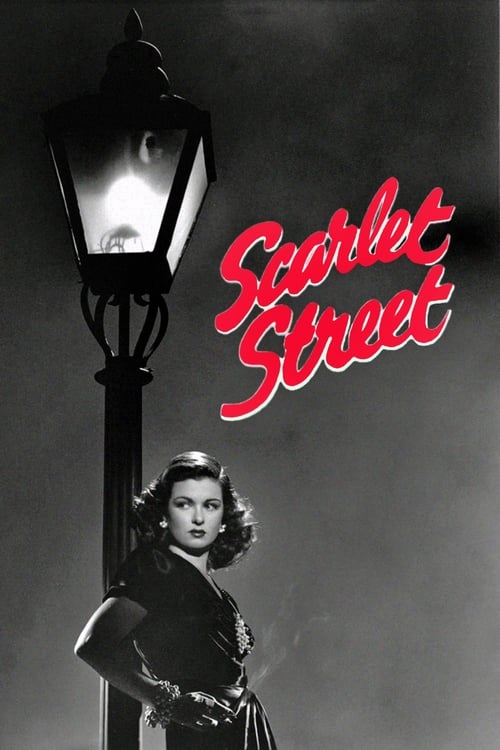
Scarlet Street
1945
No user ratings available yet
Representation score: 4.0 out of 10
Representation Score
Minimal
1954
ApprovedDirector
Fritz Lang
Runtime
91 minutes
Average Rating
No ratings yetNew Showbiz Analysis
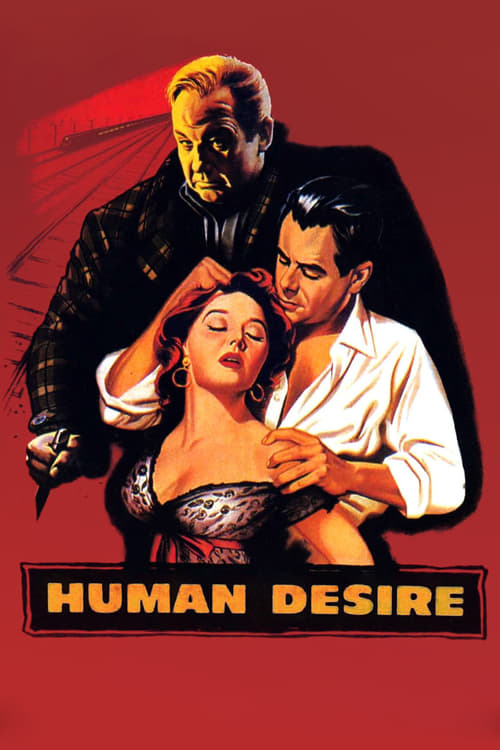
Fritz Lang’s *Human Desire* is a character-driven film set within the traditional cinematic frameworks of the 1950s. While it offers a nuanced exploration of infidelity and fatalism, challenging the mid-century domestic ideal, the film lacks multi-layered complexity. The narrative centers on individual tragedy and psychological tension, remaining confined to the homogeneous social structures of its era.
Category Breakdown
The film adheres to the conventional sexual binaries of the mid-century noir era. There is no indication of queer subtext or non-traditional gender identities.
The female lead disrupts domestic stability through her passionate actions, expressing a significant role in driving the story. However, the plot remains closely tied to the male protagonist's psychological journey.
Set in a small American mining town, the film's casting reflects the homogeneous social structures of the time. There is a noticeable lack of racial diversity among the main cast members.
The narrative delves into moral ambiguity, where personal desires overshadow societal norms. It portrays the breakdown of the nuclear family as driven by passion rather than a critique of systemic issues.
There are no visible or invisible disabilities depicted in the film. None of the characters have disabilities used as plot devices.
Present on Screen
Limited or Absent
Official Synopsis
A Korean War vet returns to his job as a railroad engineer and becomes involved in a sordid affair with a co-worker's wife following a murder on a train.
1945
1943
1946
1938
1952
1956

1951

1949
No reviews yet. Be the first to share your thoughts on this movie!
Use the rating form above to leave a star rating and optional review.