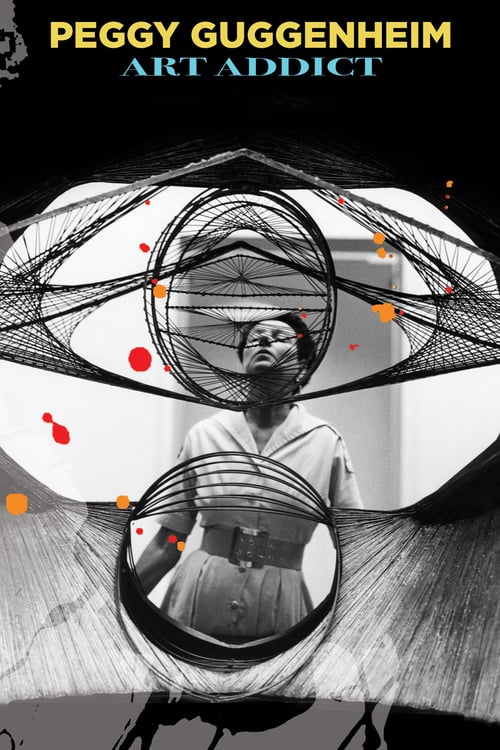
Peggy Guggenheim: Art Addict
2015
No user ratings available yet
Diversity score: 5.2 out of 10

2017
Director
Lisa Immordino Vreeland
Runtime
98 minutes
Average Rating
No ratings yetSynopsis
A documentary about Academy Award-winning costume designer Cecil Beaton. A respected photographer, artist, and set designer, Beaton was best known for designing on award-winning films such as 'Gigi' (1958) and 'My Fair Lady' (1964). The film features archive footage and interviews with a number of models, artists, and filmmakers who worked closely with Beaton during his illustrious career.
Overall Score
Fair
Category Breakdown
LGBTQ+ Representation
The film explores queer social dynamics through Cecil Beaton's life and his influence on high fashion. It highlights how his identity and aesthetic sensibilities intersected with non-heteronormative circles.
Gender Representation
The narrative examines gender by showcasing Beaton's work with iconic women. It presents femininity as a curated, powerful performance rather than a passive trait, though it remains bound by historical context.
Racial & Ethnic Diversity
The visual landscape is predominantly Anglo-centric, reflecting the systemic homogeneity of mid-20th-century high society. There is a lack of significant emphasis on non-white agency or diverse ethnic perspectives.
Religious & Cultural Diversity
The documentary prioritizes Beaton's unique artistic vision over rigid institutional or religious frameworks. It deconstructs the era's glamour as a complex, constructed reality.
Disability Representation
There is no significant evidence regarding the portrayal of visible or invisible disabilities as central narrative drivers.
Strengths
Areas for Improvement
AI Analysis
Love, Cecil offers a sophisticated look at how identity and aesthetics intersect through the life of a legendary designer. The film succeeds in exploring queer sensibilities and gender-fluid aesthetics within a historical framework, providing depth to Beaton's personal and professional legacy. However, the documentary is limited by the social hierarchies of its subject matter. The focus on Hollywood elite and mid-century high society results in a predominantly Anglo-centric perspective that lacks diverse ethnic representation. Ultimately, the film is a study of aesthetic subversion. While it excels at deconstructing glamour and gendered performance, it remains a product of the homogeneous era it documents.
2015
2012
2019
2016
2014

2015
2017
2017
2001

2018
2023
2019
No reviews yet. Be the first to share your thoughts on this movie!
Use the rating form above to leave a star rating and optional review.