
The Cistern
2001
No user ratings available yet
Diversity score: 4.7 out of 10
1997
Director
Christophe Malavoy
Runtime
91 minutes
Average Rating
No ratings yetSynopsis
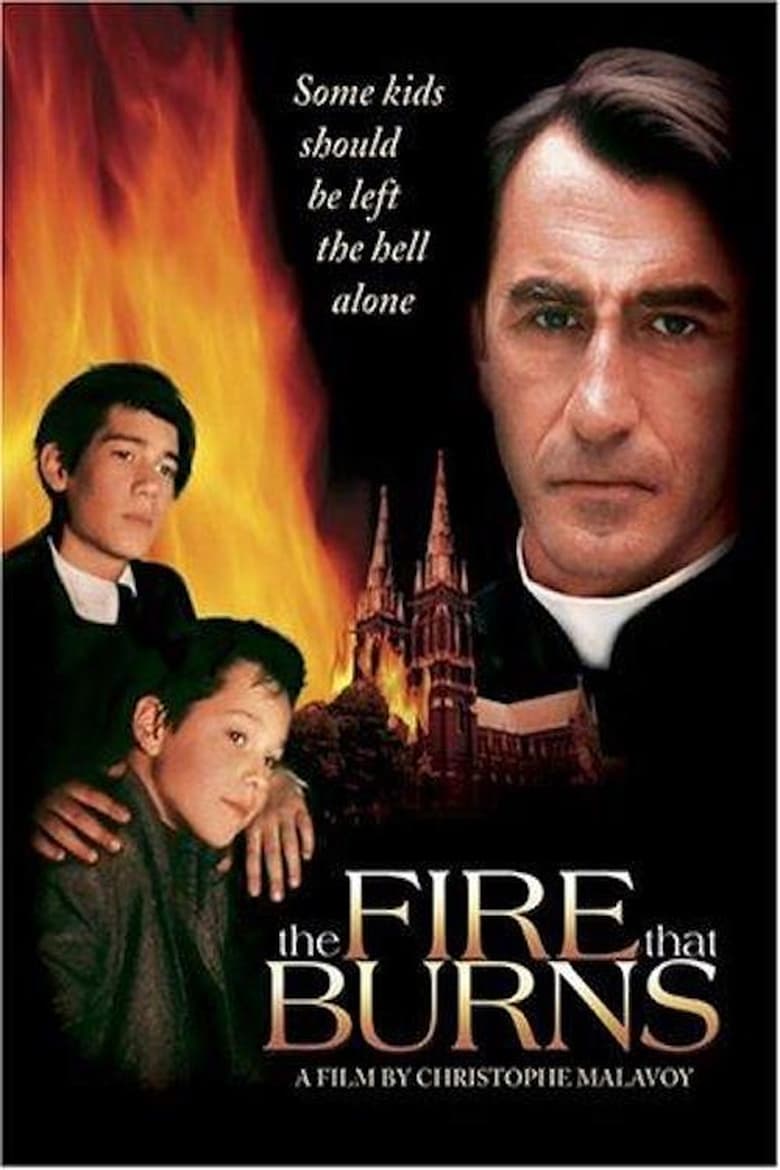
Two boys in their early teens in a strictly-run pre-WWII Catholic School form a firm friendship which is troubled by an abbot who is obsessed with the younger of the students.
Overall Score
Fair
Category Breakdown
LGBTQ+ Representation
The film explores intense, non-normative attraction and obsession within an all-male environment. It critiques heteronormative institutional control through the abbot's obsession, though the boys' bond remains understated.
Gender Representation
Set in a gender-segregated institution, the story focuses on male authority and subjects. The lack of female agency in this setting limits the subversion of traditional gender hierarchies.
Racial & Ethnic Diversity
The cast reflects the demographic homogeneity of pre-WWII Europe. There is no evidence of race-bent casting or a diverse cast that disrupts historical norms.
Religious & Cultural Diversity
The narrative provides a critical look at the Catholic Church by framing religious authority through obsession. It highlights friction between individual autonomy and institutional dogma.
Disability Representation
There is no discernible evidence regarding the portrayal of physical or neurodivergent disabilities within the film.
Strengths
Areas for Improvement
AI Analysis
The film functions primarily as a critique of traditional power structures rather than a platform for intersectional representation. It uses its period setting to deconstruct the perceived sanctity of religious leadership, portraying the institution as a site of predatory dynamics. However, the narrative is heavily constrained by the social realities of its pre-WWII European context. This results in significant limitations regarding racial and gender diversity, as the cast and setting reflect the era's demographic homogeneity. Ultimately, while the film offers nuanced explorations of desire and institutional misconduct, it remains a traditional period drama rather than a work of intentional progressive disruption.
2001

2009

1977

2001

2020

1966

2006

2021
1980

2018

2003

2000
No reviews yet. Be the first to share your thoughts on this movie!
Use the rating form above to leave a star rating and optional review.