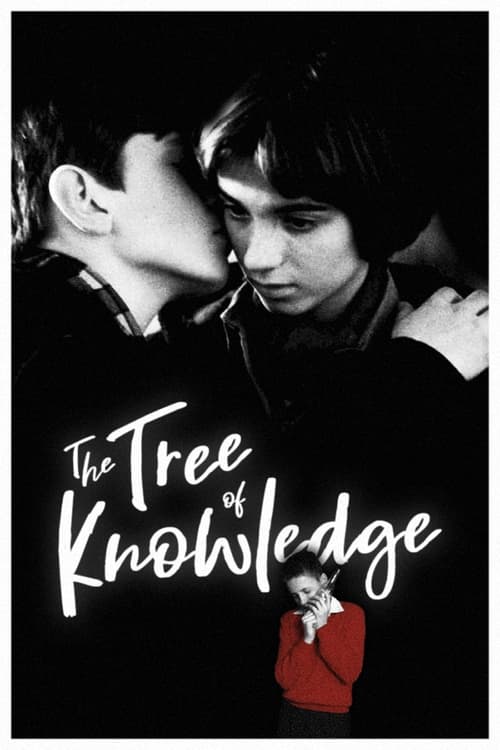
Tree of Knowledge
1981
No user ratings available yet
Representation score: 5.8 out of 10
Representation Score
Fair
1973
Director
Nils Malmros
Runtime
87 minutes
Average Rating
No ratings yetNew Showbiz Analysis
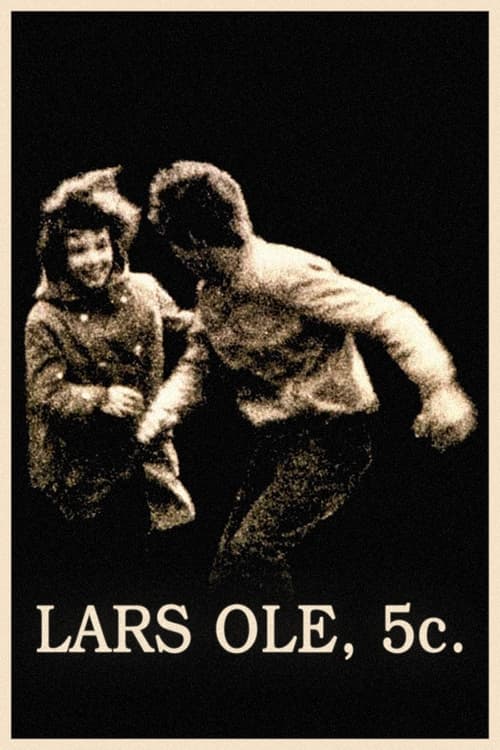
Nils Malmros employs a naturalistic, cinéma vérité style to depict the raw psychological realities of a grade school class. The film rejects moral absolutes, offering a realistic look at social hierarchies and the complexities of growing up. However, it is limited by its time and place, lacking racial diversity and clear representations of LGBTQ+ or disability issues. Its strength lies in subverting the 'innocent child' cliché with a sophisticated examination of social scheming and emerging adult interests.
Category Breakdown
The film captures the exploration and experimentation typical of childhood, challenging idealized views of youth. It avoids clean-cut, traditional portrayals of young people.
The movie breaks down traditional gender roles through realistic interactions. It highlights power dynamics and hierarchies that go beyond typical boy-girl distinctions.
The cast likely reflects the demographic homogeneity of 1973 Denmark. There is no evidence of a multi-ethnic ensemble or race-bent casting within this specific social setting.
The film steers clear of rigid moral teachings, focusing instead on the nuances of real-life situations. It shows the collapse of adult-imposed structures through a modern lens.
There is no indication of how physical or neurodivergent disabilities are portrayed in this film.
Present on Screen
Limited or Absent
Official Synopsis
An upper grade school class with its inter-relations, scheming and sniffing around for the scent of adult pleasures, all caught in near-cinema verité style.
1981
1969

1977

1970

1973

2020

1953

1968
No reviews yet. Be the first to share your thoughts on this movie!
Use the rating form above to leave a star rating and optional review.