
Bitter-Sweet
1996
No user ratings available yet
Representation score: 3.7 out of 10
Representation Score
Fair
1993
Director
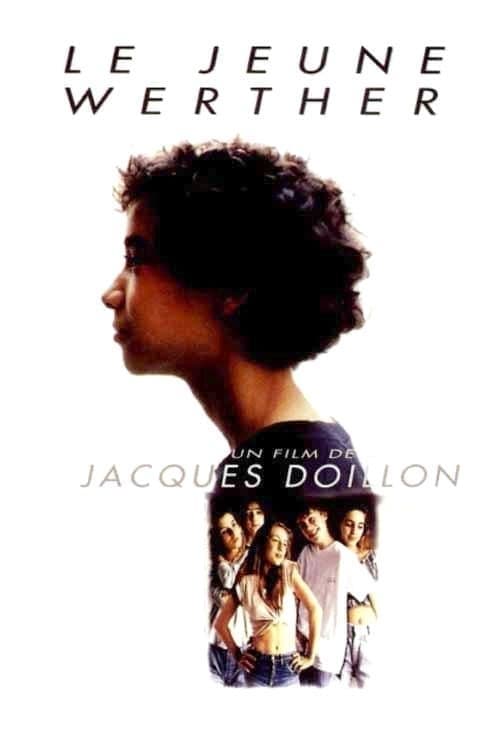
Jacques Doillon
Runtime
93 minutes
Average Rating
No ratings yetNew Showbiz Analysis
Jacques Doillon’s adaptation centers on the aesthetic and emotional principles of Romanticism, focusing less on modern multi-layered identities. The film effectively dismantles social stability through the lens of individual psychological crisis, highlighting the protagonist's vulnerabilities. However, the film remains rooted in its historical context, lacking racial and LGBTQ+ diversity. Its narrative structure adheres closely to the demographic and straight-centered norms of the 18th century. Ultimately, while the film avoids reinforcing traditional masculine clichés, its concentration on a singular, traditional emotional struggle limits its broader representational scope.
Category Breakdown
The story revolves around a traditional love triangle focused on heterosexual feelings. There is no indication of queer subtext or non-straight relationships.
Werther breaks away from stoic male stereotypes through his sensitivity and emotional instability. However, Charlotte is confined by the social and marital norms of the 18th century.
The film mirrors the homogeneous demographics of its late 18th-century setting. It does not include actors from diverse backgrounds or use color-blind casting.
The narrative emphasizes personal psychological turmoil over external religious norms. It challenges strict societal structures by showing suicide as a reaction to oppressive conditions.
The film delves into severe psychological distress and mental health issues. These elements serve the tragic storyline rather than giving a voice to neurodivergent individuals.
Present on Screen
Limited or Absent
Official Synopsis
Ismaël, a young thirteen-year old boy, is taken aback by the suicide of his best friend. Not only did he not have any idea that this dramatic act was a possibility, neither did his other friends. Perhaps it had something to do with his having an unrequited love for a beautiful young neighbor, an attraction Ismaël also feels. Perhaps it had something to do with drugs, or a problem with a universally disliked teacher. Throughout most of the film, the young survivors discuss their departed classmate.
1996

2003
1995

2013
2008

2008
2020
1993
No reviews yet. Be the first to share your thoughts on this movie!
Use the rating form above to leave a star rating and optional review.