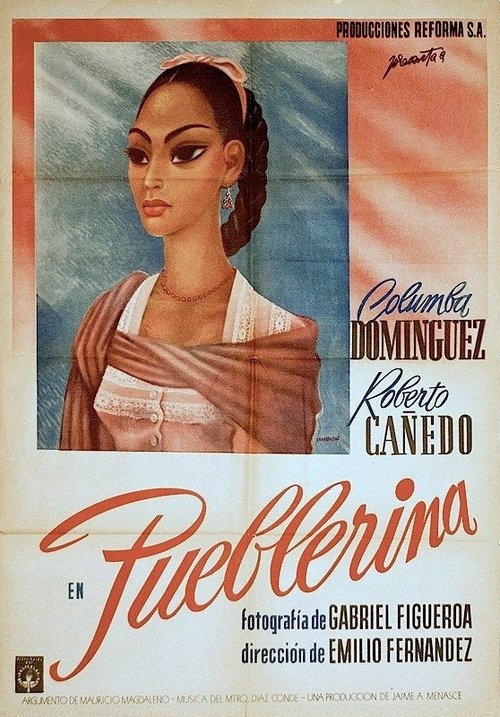
Pueblerina
1949
No user ratings available yet
Diversity score: 6.4 out of 10

1989
Director
Vicente Escrivá
Runtime
96 minutes
Average Rating
No ratings yetSynopsis
History about hate and passion between two gypsy families.
Overall Score
Fair
Category Breakdown
LGBTQ+ Representation
The film lacks explicit evidence of non-cisnormative identities or same-sex intimacy. It appears to follow the traditional romantic structures common in 1980s Spanish drama.
Gender Representation
Female characters likely function as emotional catalysts or victims of familial honor. The narrative seems to adhere to traditional gendered archetypes of passion and domestic conflict.
Racial & Ethnic Diversity
The film centers on Romani families, disrupting the Eurocentric cinematic landscape of the era. This provides significant agency to a marginalized group by making them the narrative's primary drivers.
Religious & Cultural Diversity
By focusing on the internal dynamics of a specific subculture, the film prioritizes the lived experience of a minority group. This approach deconstructs dominant cultural norms through tribal conflict.
Disability Representation
There is no documented evidence of characters with visible or invisible disabilities within the film's narrative or historical records.
Strengths
Areas for Improvement
AI Analysis
Montoyas y Tarantos stands out for its intentional focus on Romani identity, moving a marginalized group from the periphery to the center of the story. This ethnic centering provides a necessary departure from the homogeneous casting typical of late 1980s cinema. However, the film remains tethered to traditional social structures. The lack of LGBTQ+ representation and the likely reliance on conventional gender archetypes limit its progressive reach. Ultimately, the work is a culturally specific drama that succeeds in ethnic visibility while remaining conservative in its depiction of gender and sexuality.
1949
1976

2014

1947

2002

1996

1996
1978

2007
2009
1983

1983
No reviews yet. Be the first to share your thoughts on this movie!
Use the rating form above to leave a star rating and optional review.