
His Woman
1931
No user ratings available yet
Representation score: 0.5 out of 10
Representation Score
Minimal
1934
PassedDirector
George Somnes, William Cameron Menzies
Runtime
65 minutes
Average Rating
No ratings yetNew Showbiz Analysis
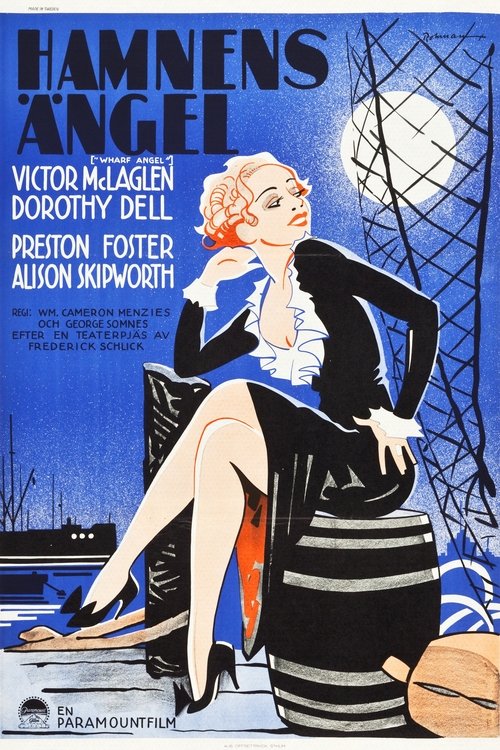
Wharf Angel is a conventional 1930s romantic drama that adheres to the traditional social hierarchies of its time. The narrative focuses on a traditional love triangle, limiting the scope of its character dynamics. The film's emphasis on interpersonal romance and Western-centric maritime travel leaves little room for multi-layered complexity. Although it touches on themes of systemic injustice related to a wrongful accusation, these elements are secondary to the central romantic plot. Ultimately, the production lacks representation for LGBTQ+ individuals and people with disabilities, adhering to established cinematic clichés rather than challenging them.
Category Breakdown
The film does not include any characters with LGBTQ+ identities or non-cisgender experiences. It centers around a traditional heterosexual love triangle.
Mary is the emotional core of the story, but her role is mainly defined by her relationships with men. The main conflicts are driven by men’s political and physical actions.
Despite featuring a voyage to China, the focus remains on Western characters. There is no indication of a diverse cast or a challenge to Anglo-centric norms.
The film touches on political friction and the 'rights of man' through a riot. However, it remains a traditional romance without deep critiques of Western institutions.
There are no characters with visible or invisible disabilities. The narrative does not incorporate neurodivergence or physical impairments into its storyline.
Present on Screen
Limited or Absent
Official Synopsis
On the wharfs of San Francisco, saloon girl Toy, also known as Mary, lives over Mother Bright's bar. When Como Murphy, a fugitive from the law, hides in her room, she falls in love with him. He explains that after he spoke out about the rights of man to a crowd, a riot ensued, during which a policeman was killed. Como took the gun from the killer, but is thought to be guilty of the crime himself. Como, who reciprocates Mary's love, spends the night with her, but leaves to keep her out of danger. He joins the crew of a ship sailing to China after he is befriended by Turk, a big lumbering sailor who is also in love with Mary. Each man is unaware that they love the same woman.
1931
1928
1940
1932
1933

1945
1929

1934
No reviews yet. Be the first to share your thoughts on this movie!
Use the rating form above to leave a star rating and optional review.