Divine Horsemen: The Living Gods of Haiti
1993
No user ratings available yet
Representation score: 9.3 out of 10
Representation Score
Limited
1952
Director
Gregory Bateson, Margaret Mead
Runtime
22 minutes
Average Rating
No ratings yetNew Showbiz Analysis
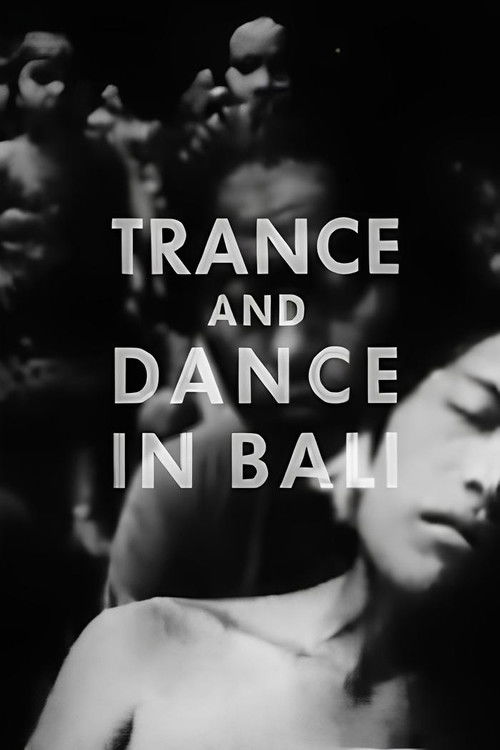
Trance and Dance in Bali is a foundational ethnographic film that challenges Western cultural dominance. By focusing on Balinese ritualistic practices, the film offers a rare mid-century perspective on non-Western social structures. It avoids portraying indigenous practices as primitive and instead presents them as complex social mechanisms. However, the film's observational approach limits its engagement with modern identity politics. It does not actively challenge traditional gender roles or address LGBTQ+ identities. Ultimately, the film's strength lies in its refusal to center Western social norms, providing a platform for indigenous spiritual realities.
Category Breakdown
The film does not include any characters or identities that are LGBTQ+ or non-cisgender.
Women are shown as important figures in both spiritual and community life. However, the film does not challenge traditional gender roles.
The documentary focuses on the Balinese people and their unique cultural practices. It highlights their ability to act within their own cultural context, which counters Western-centric views.
The film emphasizes indigenous religious practices over Western secular ones. It portrays rituals as sophisticated social mechanisms rather than simple superstitions.
There is no specific mention of physical or neurodivergent disabilities in the film. The focus is on collective trance experiences.
Present on Screen
Limited or Absent
Official Synopsis
Filmed in Bali in 1937 and released in 1952, this short documentary records a staged performance of the Kris Dance, documenting trance, ritual possession, and ceremonial movement within Balinese religious practice.
1993
2011
1971
2013
1963
1973
2011

1955
No reviews yet. Be the first to share your thoughts on this movie!
Use the rating form above to leave a star rating and optional review.