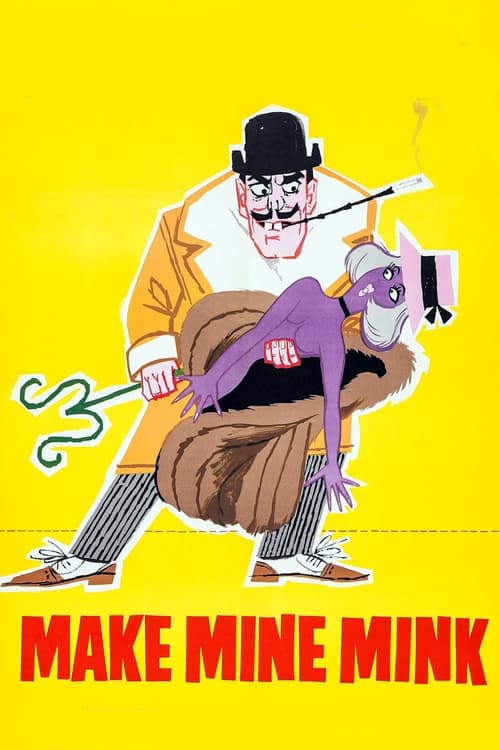
Make Mine Mink
1960
No user ratings available yet
Diversity score: 3.1 out of 10
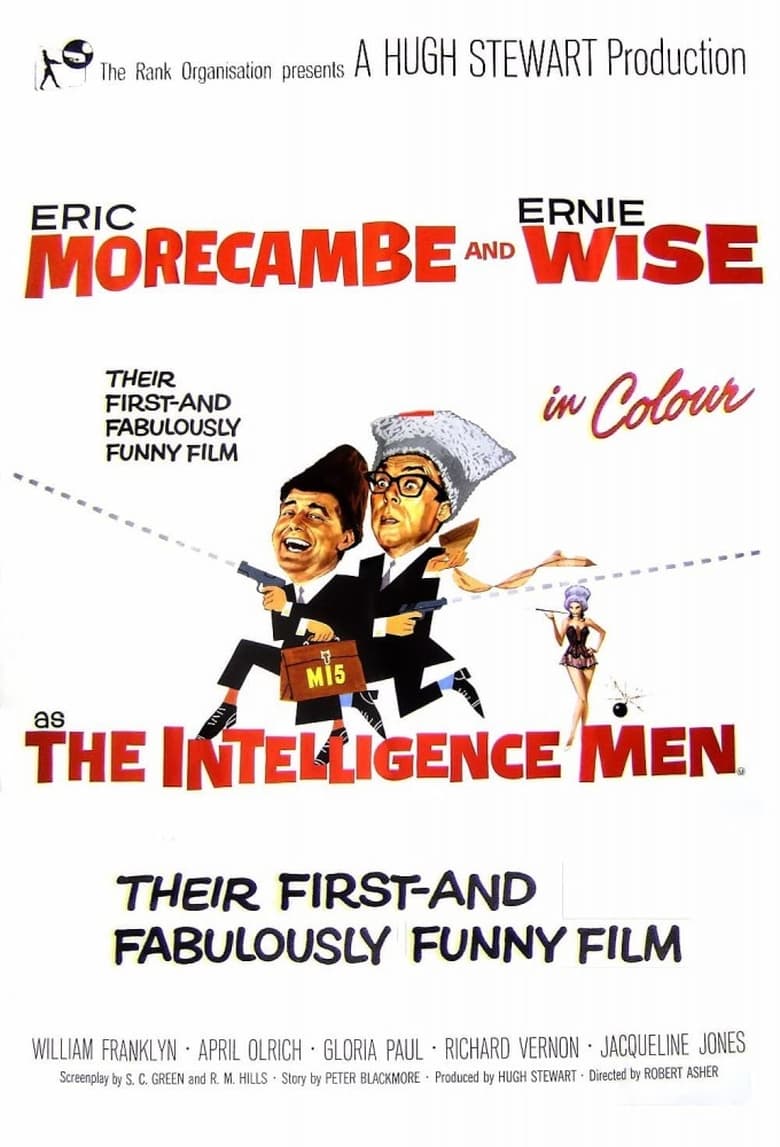
1965
Director
Robert Asher
Runtime
103 minutes
Average Rating
No ratings yetSynopsis
A chance meeting with a Schlecht agent forces a humble coffee shop manager into the secret world of spies in Swinging London. With the help of his MI5 friend, he poses as the recently dead Major Cavendish who had managed to infiltrate the dreaded organization; he knows that they are intending to assassinate someone - could it be the famous Russian ballerina who has recently arrived for an appearance at Covent Garden?
Overall Score
Limited
Category Breakdown
LGBTQ+ Representation
The film lacks depictions of non-cisnormative identities or same-sex intimacy. It follows the heteronormative tropes common to 1960s spy comedies.
Gender Representation
The story centers on male protagonists navigating a male-dominated espionage world. While a Russian ballerina appears, she serves primarily as a plot catalyst rather than a character with central agency.
Racial & Ethnic Diversity
The narrative reflects the demographic homogeneity typical of mid-60s British cinema. It focuses on Eurocentric espionage within the setting of Swinging London.
Religious & Cultural Diversity
The film explores Cold War geopolitical tensions through traditional institutional lenses. It upholds Western intelligence structures rather than offering subversive or anti-Western perspectives.
Disability Representation
There is no information regarding the inclusion or portrayal of characters with physical or neurodivergent disabilities.
Strengths
Areas for Improvement
AI Analysis
The Intelligence Men is a product of its era, functioning as a traditional mid-century British farce. It relies on established comedic structures and conventional storytelling rather than attempting to subvert social hierarchies or provide intersectional complexity. The film's focus remains on the male-centric world of espionage and the geopolitical friction of the Cold War. This results in a narrative that reinforces the status quo of 1965, prioritizing situational humor over progressive representation. Ultimately, the work operates within the narrow demographic and cultural frameworks of its time, lacking significant diversity across gender, race, or identity.
1960
1955
1968
1962
1965
1974
1966
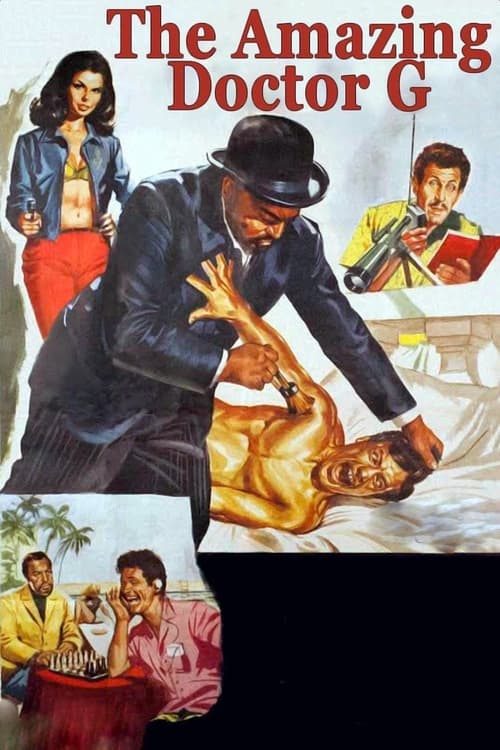
1965
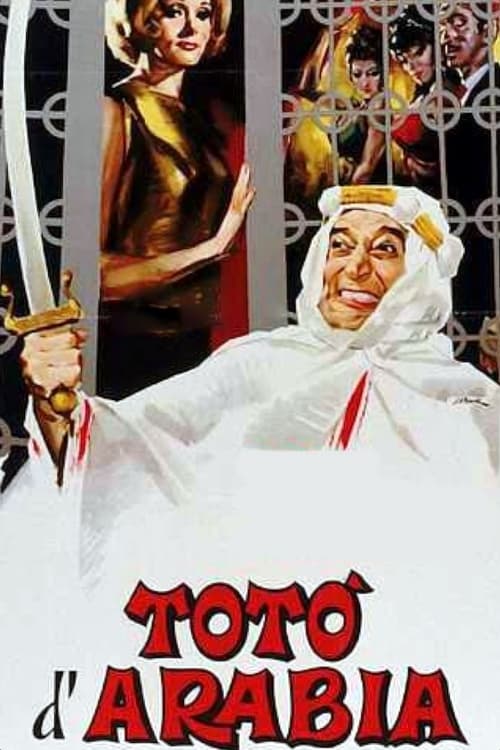
1965
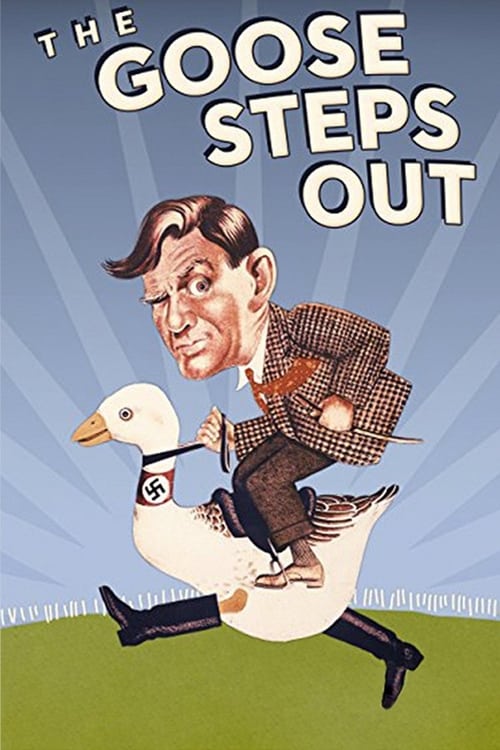
1942
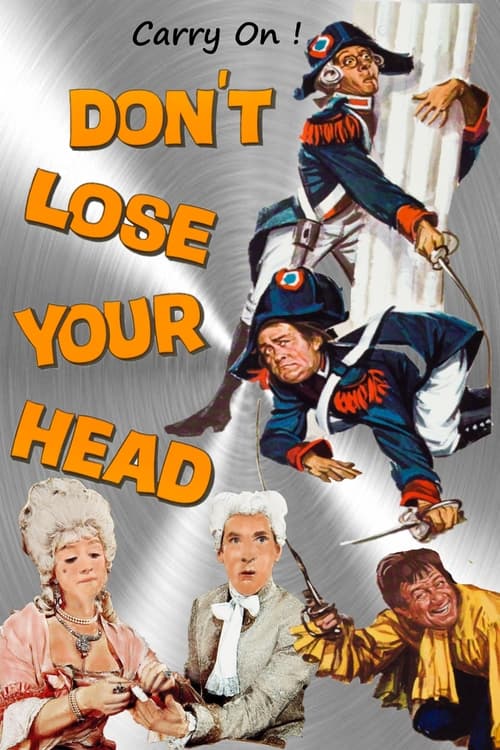
1967
2000
No reviews yet. Be the first to share your thoughts on this movie!
Use the rating form above to leave a star rating and optional review.