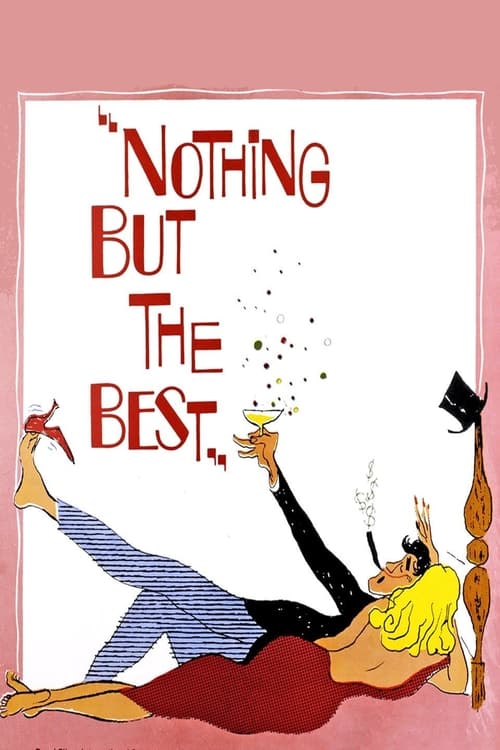
Nothing But the Best
1964
No user ratings available yet
Diversity score: 2.9 out of 10
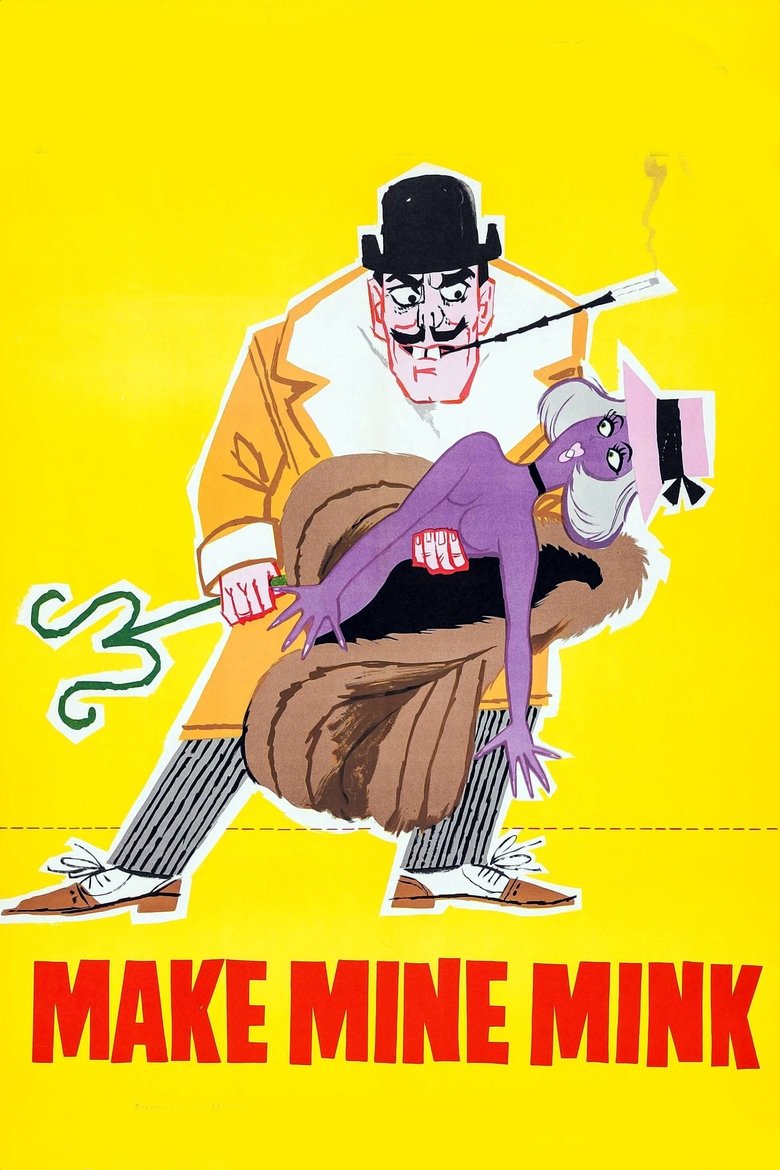
1960
NRDirector
Robert Asher
Runtime
101 minutes
Average Rating
No ratings yetSynopsis
In a mansion block in Knightsbridge, a gang of middle-aged biddies decide to brighten up "the dullness of the tea time of life" by staging a series of robberies on furriers, then donating the proceeds to charitable concerns. Terry Thomas as a retired army officer leads the gang, which includes Athene Seyler and Hattie Jacques, on a series of capers that nearly go awry when their maid, Billie Whitelaw, an ex-con and also a resident of the block, falls for a police officer.
Overall Score
Limited
Category Breakdown
LGBTQ+ Representation
The film lacks any representation of non-cisnormative gender identities. The narrative focuses on a romantic subplot between a maid and a police officer without queer-coded elements.
Gender Representation
A group of middle-aged women serves as the primary drivers of the plot. They demonstrate high agency and intellectual coordination by leading complex robberies, subverting traditional tropes of submissive femininity.
Racial & Ethnic Diversity
The setting reflects the homogeneous social structures of 1960s London. There is no significant evidence of racial or ethnic blending within the primary cast or narrative.
Religious & Cultural Diversity
The story engages with moral relativism by framing theft as a tool for social utility. It critiques capitalist structures by targeting the luxury fur industry for wealth redistribution.
Disability Representation
The film does not feature characters with visible or invisible disabilities. It avoids any engagement with neurodivergent or physical disability narratives.
Strengths
Areas for Improvement
AI Analysis
Make Mine Mink subverts mid-century social hierarchies by centering its plot on women who reject domestic passivity. The female ensemble demonstrates significant agency, leading organized capers that disrupt the luxury fur trade. However, the film remains demographically limited. It lacks intersectional representation, specifically regarding racial, ethnic, and LGBTQ+ identities, which keeps the overall score low despite the progressive gender dynamics. The narrative's strength lies in its critique of economic status quo. By framing crime as a means to fund charity, it challenges the singular morality of traditional institutions.
1964
1983
1973
1969
1984
1958
1960

1995
1980
1964
1982
1962
No reviews yet. Be the first to share your thoughts on this movie!
Use the rating form above to leave a star rating and optional review.