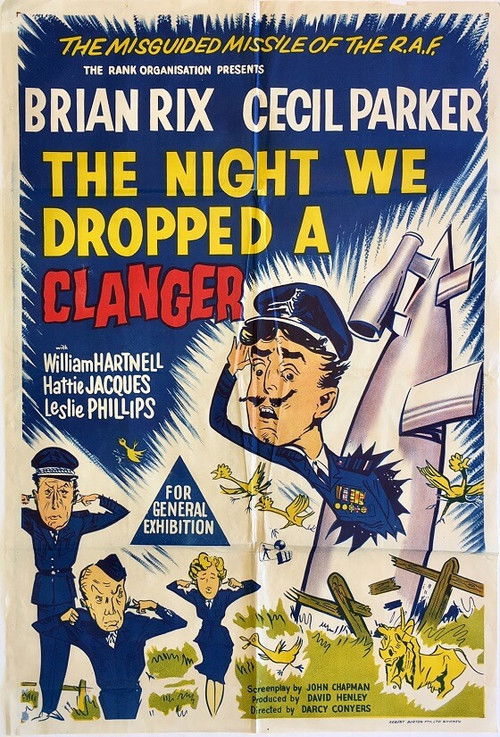
The Night We Dropped a Clanger
1959
No user ratings available yet
Representation score: 1.3 out of 10
Representation Score
Limited
1942
ApprovedDirector
Basil Dearden, Will Hay
Runtime
79 minutes
Average Rating
No ratings yetNew Showbiz Analysis
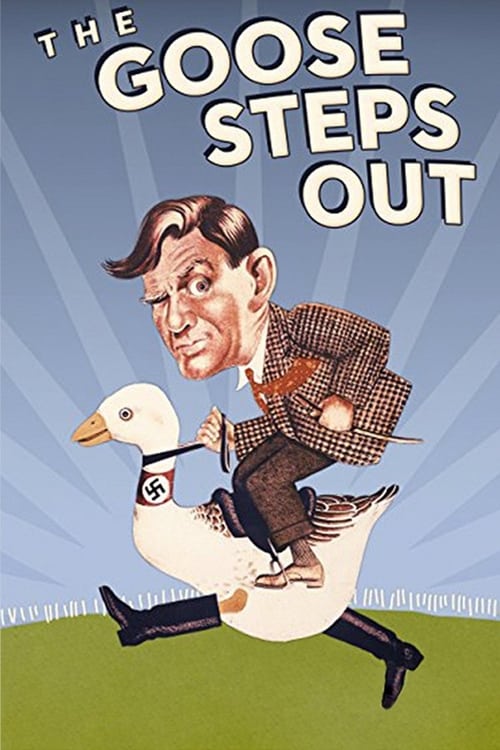
The Goose Steps Out serves primarily as a wartime comedy aimed at boosting Allied morale. Its narrative structure is based on the social norms of the 1940s, focusing on a homogeneous demographic and traditional hierarchies. By emphasizing national unity and critiquing the Nazi regime, the film reinforces the social structures of its time rather than challenging them. With a singular, middle-class male protagonist and a predominantly white cast, the film engages minimally with underrepresented identities or diverse perspectives.
Category Breakdown
The film does not include any LGBTQ+ characters or non-cisgender identities. It follows the assumption that everyone is straight and cisgender, reflecting the social structures of the early 1940s.
The story centers around the male protagonist, William Potts, with women playing minor roles. They have little control over their own lives within the male-dominated espionage plot.
The cast is mostly white, reflecting the focus on the British-German conflict. There is no indication of diverse casting or representation of different backgrounds.
As wartime propaganda, the film uses humor to criticize the Nazi regime. It clearly distinguishes between British heroism and German villainy.
There are no characters with physical or neurodivergent disabilities that play a significant role in the story. Traditional comedic formulas are used instead.
Present on Screen
Limited or Absent
Official Synopsis
Schoolteacher William Potts is the double of a captured German spy, so he is sent to Germany by British Intelligence to obtain the plans of a new secret weapon, causing chaos in a Hitler Youth school in the process.
1959
1942

1919
1983
1944
1964

1959
1943
No reviews yet. Be the first to share your thoughts on this movie!
Use the rating form above to leave a star rating and optional review.