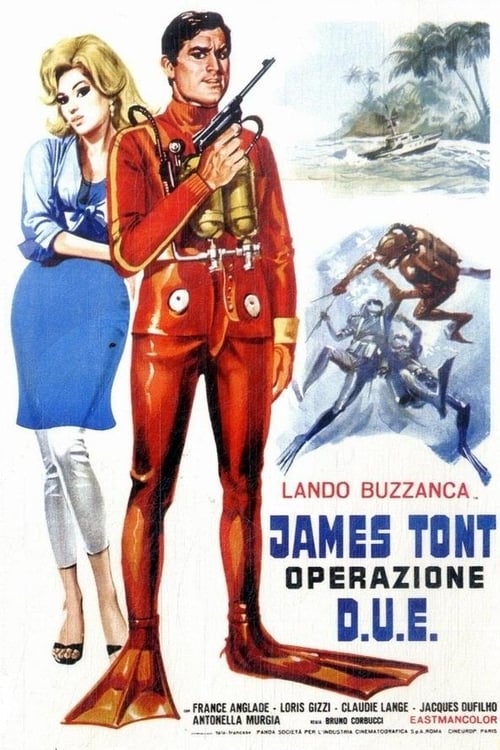
James Tont Operation T.W.O.
1966
No user ratings available yet
Representation score: 1.8 out of 10
Representation Score
Limited
1962
K-16Director
Pierre Grimblat
Runtime
90 minutes
Average Rating
No ratings yetNew Showbiz Analysis
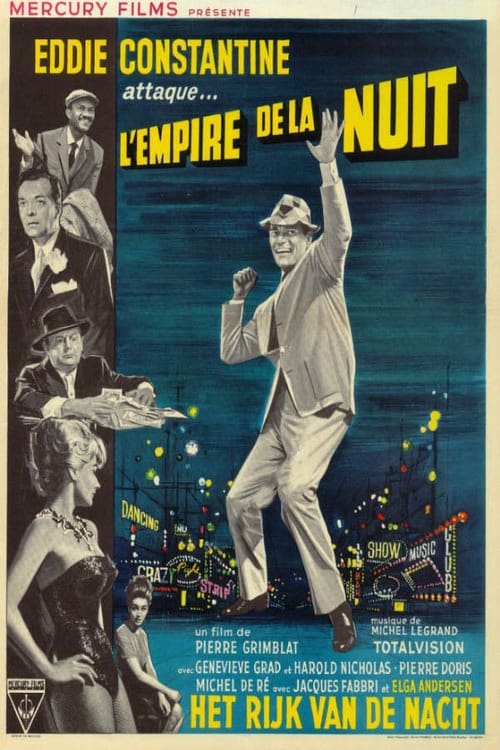
The Empire of Night operates as a traditional character-driven comedy that heavily relies on established genre clichés. The narrative prioritizes individual roles and conventional hero archetypes over exploring diverse identities. While the cabaret setting provides a stylized backdrop, the film does not use this space to challenge social hierarchies or introduce diverse social performances. Instead, it adheres to the demographic and narrative norms of early 1960s French cinema. Ultimately, the film focuses on a single male lead navigating a criminal conflict, reinforcing mid-century cinematic structures rather than challenging systemic power dynamics or providing visible representation for underrepresented groups.
Category Breakdown
The film does not explicitly include non-binary gender identities or same-sex relationships. Although the cabaret setting can showcase diverse social interactions, the story focuses on the main conflict.
The story centers around a single male protagonist who maintains control throughout the plot. This emphasizes traditional masculine leadership and the lone hero archetype common in mid-century cinema.
The film seems to follow the demographic uniformity typical of 1960s European genre cinema. There is no indication of characters from diverse racial backgrounds influencing the narrative.
The plot follows a traditional morality storyline involving a protagonist against a criminal element. It uses a conventional crime-and-cabaret framework without questioning Western institutions or systemic power structures.
There is no information available regarding the portrayal of physically or neurologically diverse characters. No such representation is documented in this context.
Present on Screen
Limited or Absent
Official Synopsis
Usually cast as secret agent/private eye Lemmy Caution, Eddie Constantine plays "Eddie" in The Empire of Night. This time, Constantine is a cabaret singer at odds with a criminal gang. When the villains try to take over every nightclub in town for their own nefarious purposes, Eddie sings a new tune with his fists. The story takes several unexpected turns, but Constantine remains in charge throughout.
1966
1972
1964
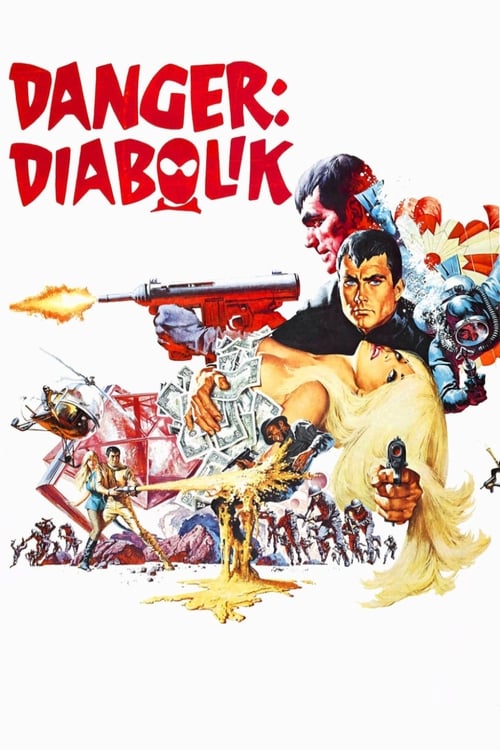
1968
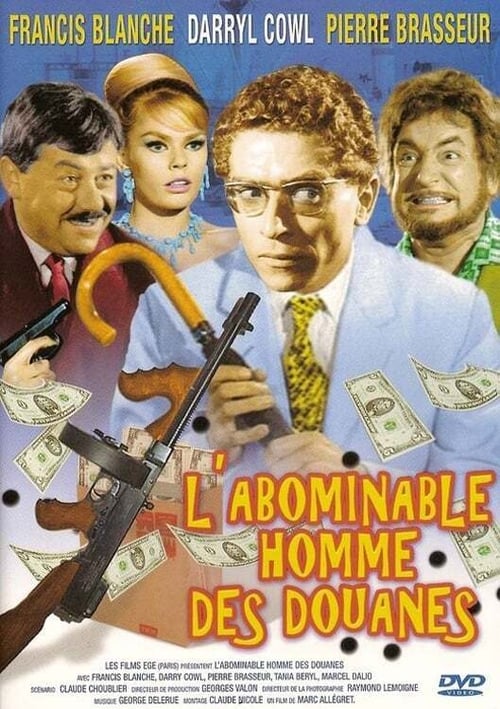
1963

1951
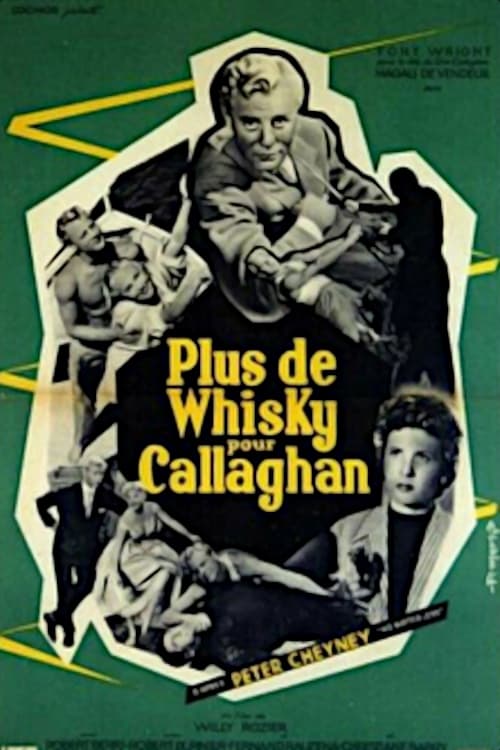
1955
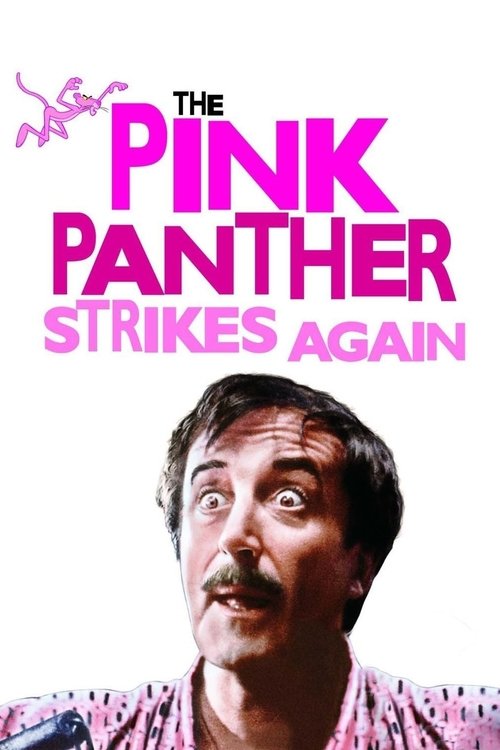
1976
No reviews yet. Be the first to share your thoughts on this movie!
Use the rating form above to leave a star rating and optional review.