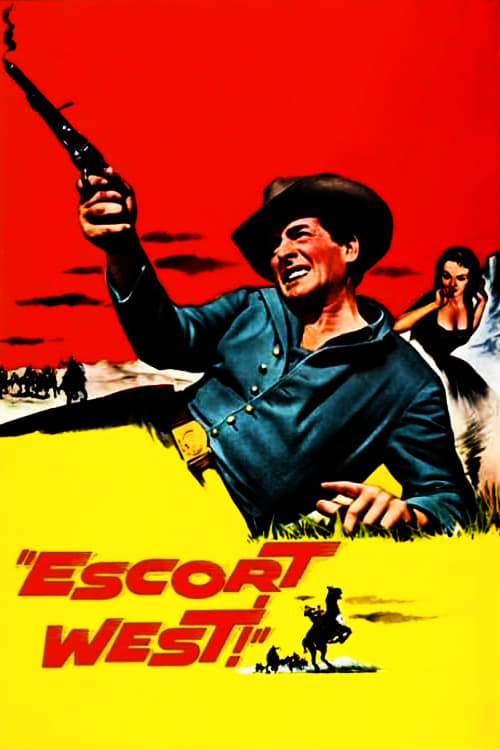
Escort West
1959
No user ratings available yet
Representation score: 0.7 out of 10
Representation Score
Minimal
1956
PGDirector
Kurt Neumann
Runtime
79 minutes
Average Rating
No ratings yetNew Showbiz Analysis
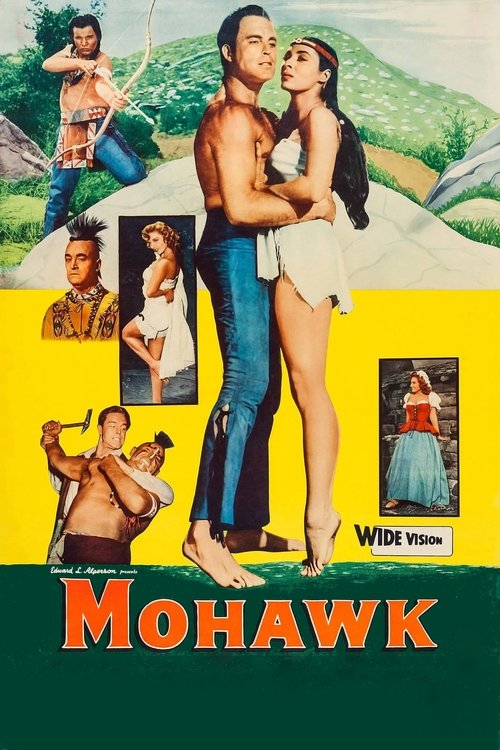
Mohawk, made in 1956, strictly adheres to adventure archetypes and social hierarchies typical of mid-century Westerns. The film prioritizes conventional storytelling over any systemic critique or nuanced exploration of identity. The narrative centers on male-driven action and traditional gender roles. While it addresses the tension between settlers and Indigenous peoples, it does so through established clichés rather than deep cultural examination. Overall, the film lacks the intentionality needed to challenge traditional power structures, functioning as a standard frontier adventure that upholds the values of its time.
Category Breakdown
The film does not include any identifiable LGBTQ+ characters or non-cisgender identities. Romantic subplots focus solely on heterosexual relationships involving the male lead.
Female characters primarily serve as romantic interests or domestic figures defined by their relationships to men. They do not have the power to drive the main conflict, reinforcing traditional mid-century gender roles.
The film features a Mohawk protagonist who fits the 'outsider' archetype. The character serves as a catalyst for settler conflict rather than exploring complex Indigenous experiences.
The narrative follows a typical Western framework of frontier justice and survival. It does not explore moral relativism or critiques of settler-colonial expansion.
There is no visible or meaningful representation of physical, neurodivergent, or mental health-related disabilities in the film.
Present on Screen
Limited or Absent
Official Synopsis
An artist working in a remote army post is juggling the storekeeper's daughter, his fiancée newly arrived from the east, and the Indian Chief's daughter. But when a vengeful settler manages to get the army and the braves at each other's throats his troubles really begin.
1959
1940
1955
1953
1953
1957
1955
1970
No reviews yet. Be the first to share your thoughts on this movie!
Use the rating form above to leave a star rating and optional review.