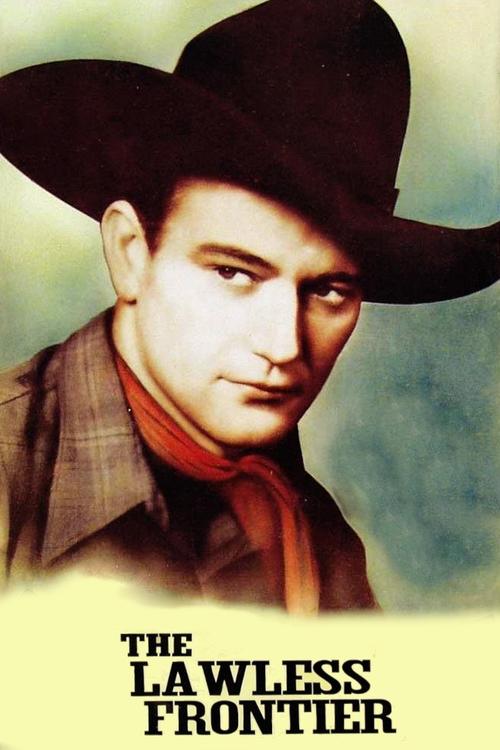
The Lawless Frontier
1934
No user ratings available yet
Representation score: 0.4 out of 10
Representation Score
Minimal
1935
NRDirector
Robert N. Bradbury
Runtime
52 minutes
Average Rating
No ratings yetNew Showbiz Analysis
The film operates as a classic 1930s Western, emphasizing a straightforward, morality-focused plot centered around masculine conflict. The narrative structure supports established social hierarchies, focusing on individualistic retribution and the maintenance of patriarchal structures. Character development lacks complexity, reflecting traditional Western themes of the rugged individualist. The film upholds the cultural norms of its time without challenging or deconstructing conventional expectations.
Category Breakdown
The film does not include any representation of LGBTQ+ identities. Romantic relationships are limited to traditional heterosexual dynamics between the main characters.
The film reinforces gender hierarchies through the protagonist's physical strength and control. Although Alice is a key figure, her role is defined by her relationships with the male leads.
The film features a homogeneous cast with no characters from diverse racial backgrounds having significant roles. The casting reflects a narrow focus on Anglo-Saxon characters.
The story emphasizes traditional Western values such as vigilante justice and frontier morality. It presents a clear moral binary without exploring moral relativism.
The film does not feature any characters with visible or invisible disabilities. The protagonist's injury serves mainly as a plot device.
Present on Screen
Limited or Absent
Official Synopsis
When John Mason's father is killed, John is wounded. Attracted to his nurse Alice, a conflict arises between him and his friend Ben who plans to marry Alice. John later finds the killer of his father but goes to face him not knowing Ben has removed the bullets from his gun.
1934

1934
1941
1945
1955
1951
1938
1959
No reviews yet. Be the first to share your thoughts on this movie!
Use the rating form above to leave a star rating and optional review.