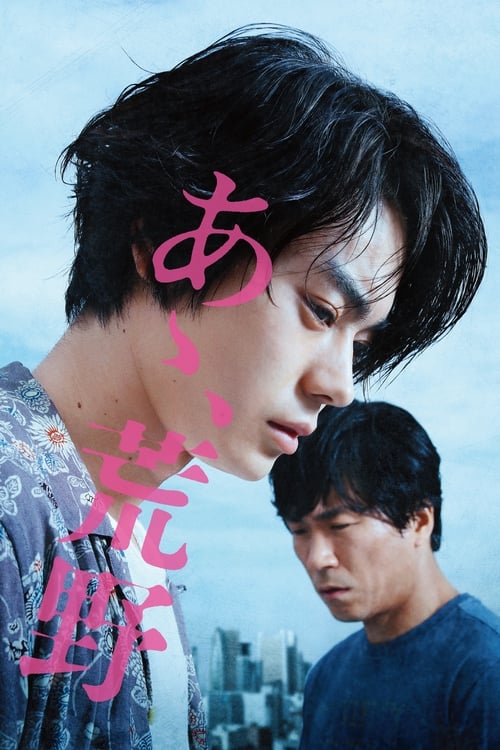
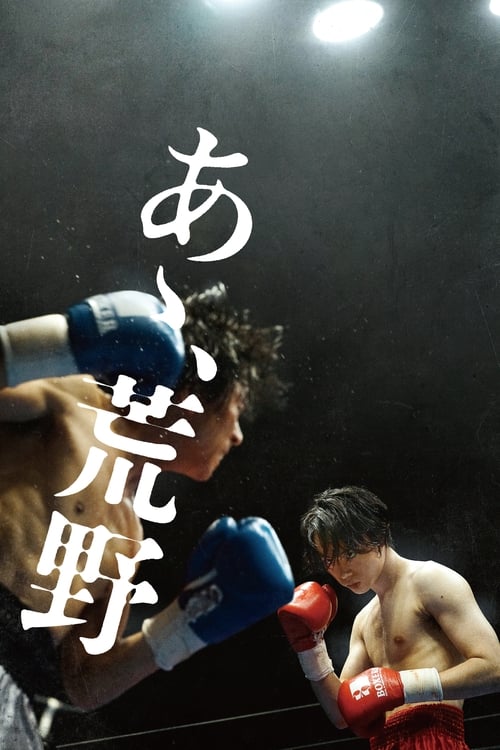
Wilderness: Part 1
2017
No user ratings available yet
Representation score: 7.5 out of 10
Representation Score
Fair
2011
Director
Fumihiko Sori
Runtime
129 minutes
Average Rating
No ratings yetNew Showbiz Analysis
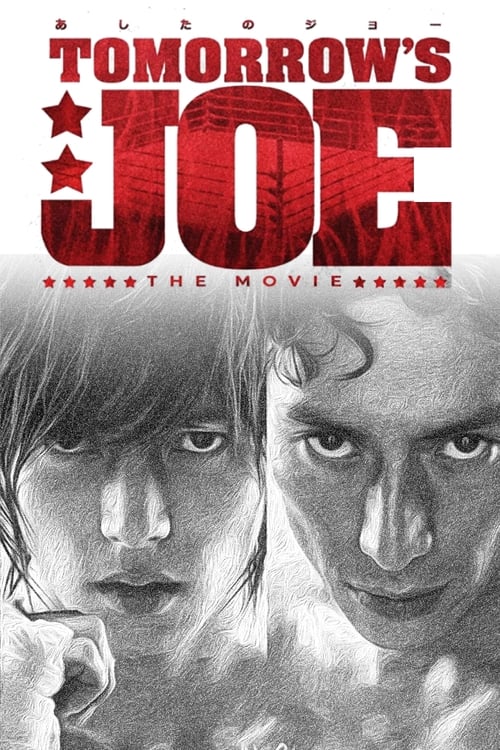
Tomorrow's Joe is a period-accurate drama that emphasizes historical authenticity and sports genre clichés. It centers on individual perseverance within a rigid social hierarchy rather than deconstructing that hierarchy. The film offers a meaningful look at socioeconomic hardship and the struggles of the underrepresented slum population. However, it lacks the complexity needed to challenge traditional norms. Ultimately, the narrative structure reinforces traditional gender and identity structures, prioritizing masculine struggle and physical prowess over a diverse range of lived experiences.
Category Breakdown
The film follows a traditional social structure and does not include any non-binary gender identities or stories that challenge the gender binary.
The story is set within a hyper-masculine framework typical of combat sports. Female characters are confined to supporting roles, serving mainly as emotional anchors rather than driving the plot.
Casting aligns with the cultural context of post-war Japan. While the film avoids whitewashing, it does not actively seek to break ethnic homogeneity through diverse casting.
The story examines class struggle and the systemic pressures of poverty in a post-war setting. It highlights the struggle for survival within existing socioeconomic structures.
Representation is limited to the physical toll of boxing. Bodily trauma is portrayed through the lens of athletic sacrifice rather than exploring nuanced realities of impairment.
Present on Screen
Limited or Absent
Official Synopsis
For about as long as he can remember, Joe has always had to roll with the punches-living each day in the slums as if it may be his last. But when a wild brawl sends the kid to the slammer, the appearance of a fierce rival sparks a new passion for boxing within him. Spurred on by an unlikely mentor who believes he could go the distance, Joe leaps into the ring. But as he rises through the ranks, Joe realizes that he's no longer fighting for himself-he's fighting for tomorrow.
2017

1963
2020
1996
2017

1943

1966
1947
No reviews yet. Be the first to share your thoughts on this movie!
Use the rating form above to leave a star rating and optional review.