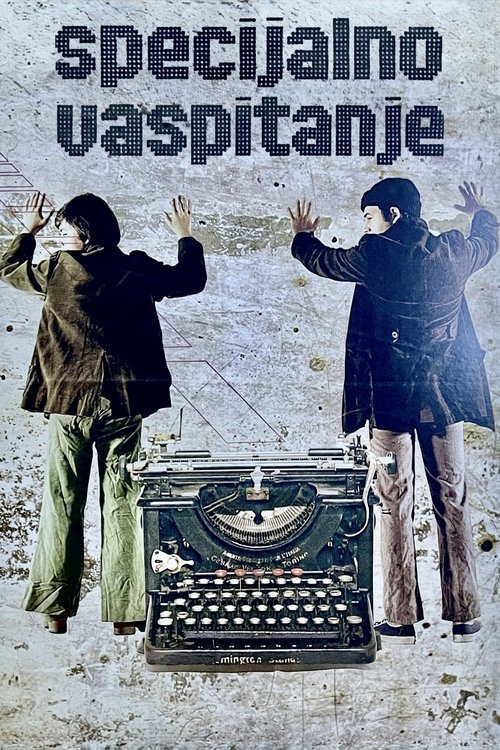
Special Education
1977
No user ratings available yet
Representation score: 6.7 out of 10
Representation Score
Fair
1983
Not RatedDirector
Dinara Asanova
Runtime
90 minutes
Average Rating
No ratings yetNew Showbiz Analysis
Dinara Asanova's work prioritizes psychological depth and the deconstruction of institutional authority over demographic variety. The film functions as a study of the friction between individual autonomy and oppressive social structures. While the film scores low in traditional identity-based metrics like LGBTQ+ or racial representation, it offers significant progressive value through its cultural stance. It rejects the standard 'reforming' narrative in favor of exploring the chaotic reality of youth subcultures. Ultimately, the film's strength lies in its refusal to present state institutions as morally superior, opting instead to dissect the internal lives of underrepresented individuals.
Category Breakdown
The film focuses on hyper-masculine social hierarchies among delinquent adolescents. It does not include any non-straight or non-cisgender identities or same-sex relationships, adhering to the assumption that everyone is straight or cisgender.
Gender roles are shaped by peer group dynamics within adolescent hierarchies. While the main character shows professional competence, the film does not explicitly challenge traditional gender hierarchies or give significant control to women.
The cast is ethnically uniform, reflecting the specific demographic context of the 1980s Soviet Union. It remains tied to its specific cultural and geographic setting rather than seeking global diversity.
The narrative excels by prioritizing the lived experiences of underrepresented youth over institutional order. It critiques rigid social structures by framing rebellious behavior through a lens of psychological necessity.
There is no significant evidence of characters with visible or invisible disabilities being given real power or control. The thematic focus remains strictly on the social aspects of juvenile delinquency.
Present on Screen
Limited or Absent
Official Synopsis
A former athlete runs a camp dedicated to reforming juvenile criminals, a tough job with no quick payoffs.
1977
1938
1990
2015
2013

1979
1990
1997
No reviews yet. Be the first to share your thoughts on this movie!
Use the rating form above to leave a star rating and optional review.