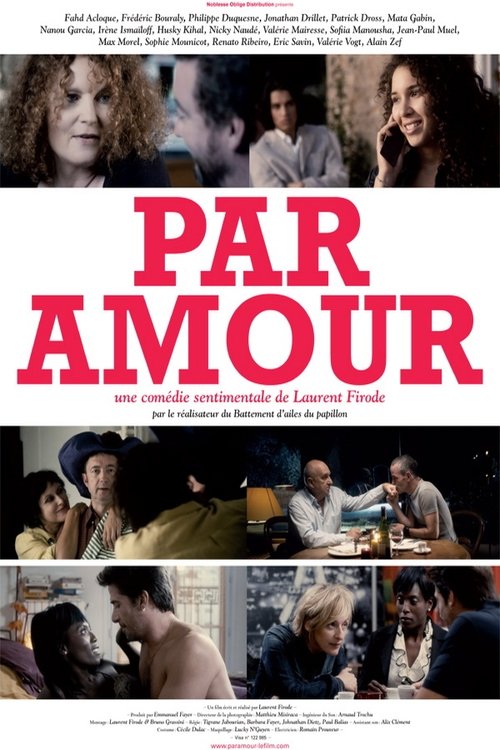
Par amour
2012
No user ratings available yet
Representation score: 4.9 out of 10

Representation Score
Minimal
2009
Director
Josée Dayan
Runtime
90 minutes
Average Rating
No ratings yetNew Showbiz Analysis
Mourir d'aimer is a period drama that emphasizes historical accuracy and individual romantic tragedy over contemporary diversity. It focuses on personal stories rather than broader social issues. The film excels in portraying a woman's emotional journey within a restrictive time period. However, its focus on the demographics of the 1930s European intellectual class limits its representation of racial and LGBTQ+ diversity. Overall, the narrative stays within traditional romantic structures and straight-centered themes, offering limited engagement with broader systemic power dynamics or diverse identities.
Category Breakdown
The film centers on a traditional romantic tragedy without featuring same-sex relationships or non-cisgender identities.
The female lead has significant emotional depth and plays a key role in driving the story, but her development is primarily shaped by her romantic relationships and tragic circumstances.
The cast is mostly white, reflecting the historical European intellectual elite of the 1930s. The film does not include diverse casting to challenge this historical context.
The story criticizes the strictness of religious and educational institutions, showing them as oppressive forces that stifle individual freedom and passion.
There are no central characters with visible or invisible disabilities that significantly impact the narrative.
Present on Screen
Limited or Absent
Official Synopsis
Priests and educational institutions try to put an end to a forbidden love between a 16-year-old student and his 40-year-old teacher.
2012

2018
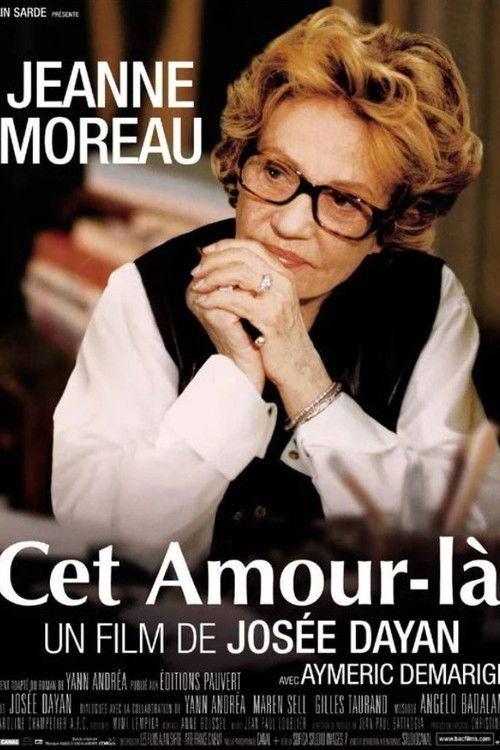
2001
2005
1979

2017
2005
2009
No reviews yet. Be the first to share your thoughts on this movie!
Use the rating form above to leave a star rating and optional review.