Adriana's Pact
2017
No user ratings available yet
Representation score: 5.9 out of 10
Representation Score
Excellent
1985
Director
Lourdes Portillo, Susana Blaustein Muñoz
Runtime
64 minutes
Average Rating
No ratings yetNew Showbiz Analysis
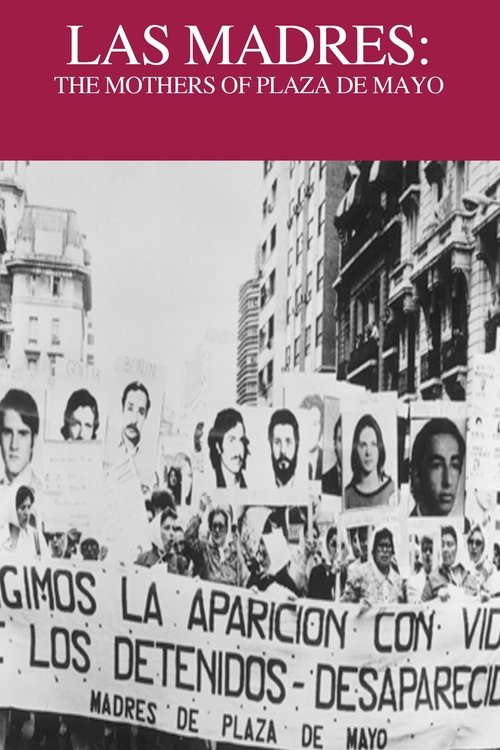
Lourdes Portillo and Susana Blaustein Muñoz deliver a powerful documentary that reclaims ability to act for underrepresented subjects. By centering the Mothers of the Plaza de Mayo, the film shifts the historical focus from state power to the lived experiences of those resisting systemic violence. The work excels in its subversion of gender roles, presenting women as the primary drivers of social and legal change. It effectively dismantles the cliché of the submissive female by showcasing highly organized political actors. While the film lacks specific representation for LGBTQ+ identities and physical disabilities, its critique of institutional authority and its focus on the overlapping aspects of identity create a progressive narrative structure.
Category Breakdown
The film does not explicitly focus on LGBTQ+ identities or non-traditional gender narratives. However, it explores identity as a political struggle, providing a foundational framework for understanding queer theory.
The documentary challenges traditional gender roles by transforming motherhood from a private domestic role into a powerful political force. Women are portrayed as organized, courageous actors rather than passive victims.
The film showcases women from various socioeconomic and ethnic backgrounds, avoiding a monolithic portrayal of Argentina. It critiques how state power targets specific demographic vulnerabilities.
The narrative offers a sophisticated critique of institutional power, specifically highlighting the Catholic Church's complicity. It prioritizes human rights over traditional religious or state-sanctioned morality.
The film addresses the psychological trauma and enduring grief caused by state violence. These mental health struggles are presented as lived realities rather than through the lens of inspiration porn.
Present on Screen
Limited or Absent
Official Synopsis
1985 Argentine documentary film directed by Susana Blaustein Muñoz and Lourdes Portillo about the Mothers of the Plaza de Mayo.
2017
1985
2023
2014
2011

2012

1975
1983
No reviews yet. Be the first to share your thoughts on this movie!
Use the rating form above to leave a star rating and optional review.