The World Through the Eyes of Children
1975
No user ratings available yet
Diversity score: 3.2 out of 10

1956
UDirector
John Durst
Runtime
55 minutes
Average Rating
No ratings yetSynopsis
Peter and his friends find unexpected and exciting adventures when all their wishes are granted by a magic marble.
Overall Score
Limited
Category Breakdown
LGBTQ+ Representation
The film lacks any evidence of LGBTQ+ characters or non-heteronormative identities. It adheres to the strict social constraints typical of 1956 family cinema.
Gender Representation
Character dynamics likely reinforce traditional domestic hierarchies common to the era. There is no indication of women demonstrating agency or subverting gendered roles.
Racial & Ethnic Diversity
The production reflects the homogeneous casting norms of the 1950s Western film industry. The narrative appears to center on traditional, non-diverse demographic norms.
Religious & Cultural Diversity
The story promotes conventional morality and standard social frameworks. It reinforces traditional Western values and the importance of the family unit.
Disability Representation
No characters with visible or invisible disabilities drive the plot. Any such depictions would likely serve as secondary plot devices rather than complex character studies.
Strengths
Areas for Improvement
AI Analysis
One Wish Too Many is a quintessential artifact of mid-century traditionalism. The film functions within the established social and cultural hierarchies of 1956, prioritizing conventional family-oriented storytelling over progressive narrative structures. The production lacks intersectional complexity or systemic critique. Instead, it aligns with the era's standard industry practices, focusing on a magic-marble adventure that reinforces standard moral frameworks and social cohesion. Ultimately, the film serves as a representative example of post-war family cinema, characterized by a lack of diverse representation across gender, race, and identity.
1975
1960
2005
1966

2020
1982

1969
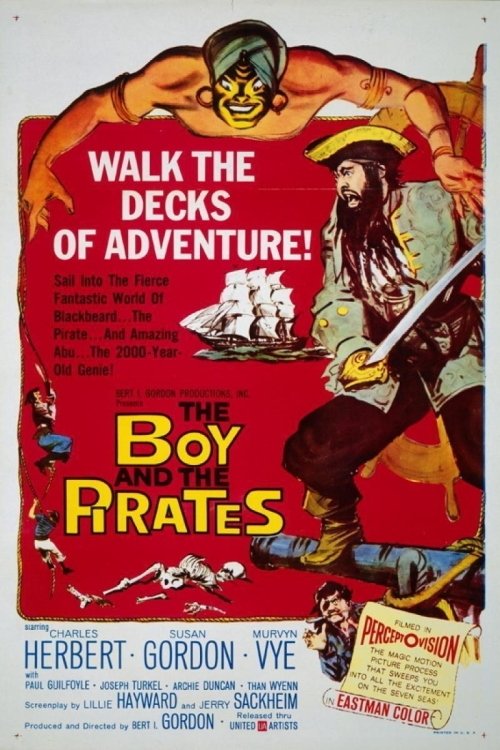
1960

1966
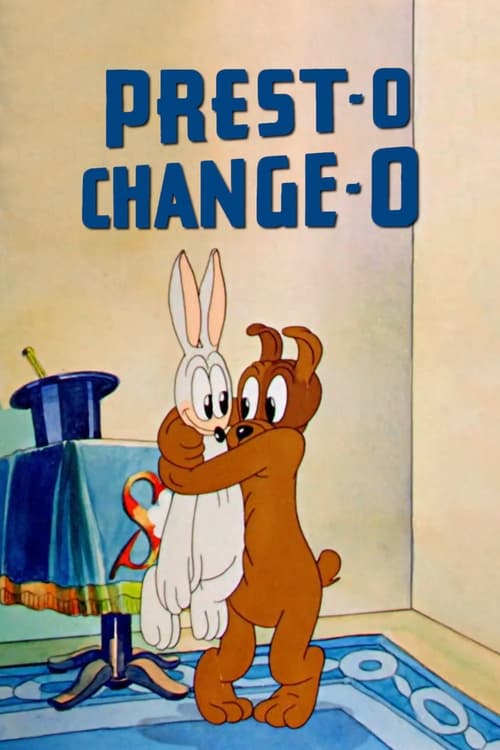
1939
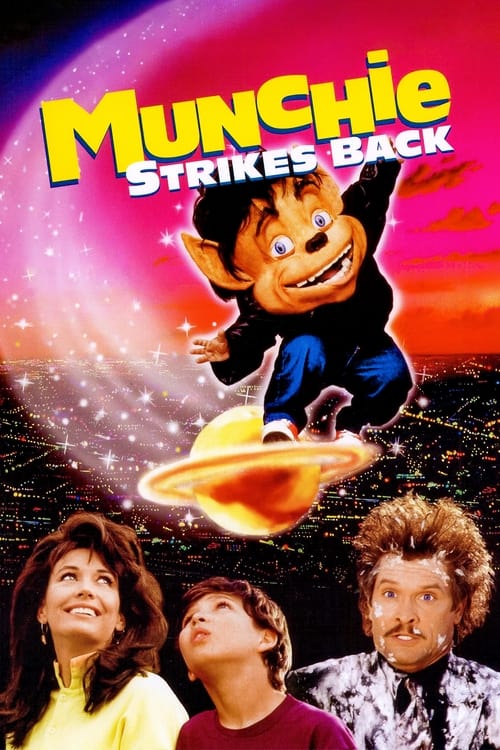
1994
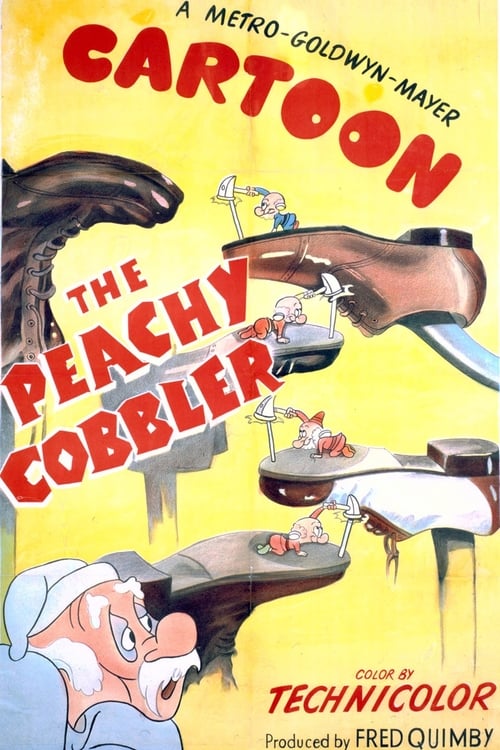
1950
No reviews yet. Be the first to share your thoughts on this movie!
Use the rating form above to leave a star rating and optional review.