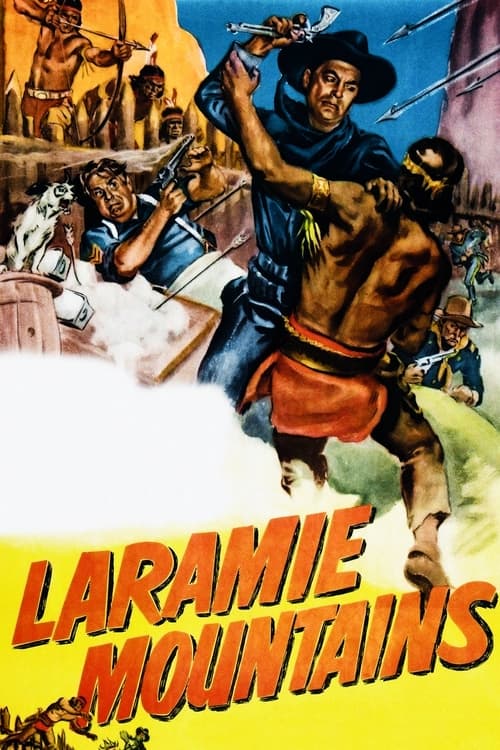
Laramie Mountains
1952
No user ratings available yet
Diversity score: 2.7 out of 10
1952
NRDirector
Ray Nazarro
Runtime
78 minutes
Average Rating
No ratings yetSynopsis
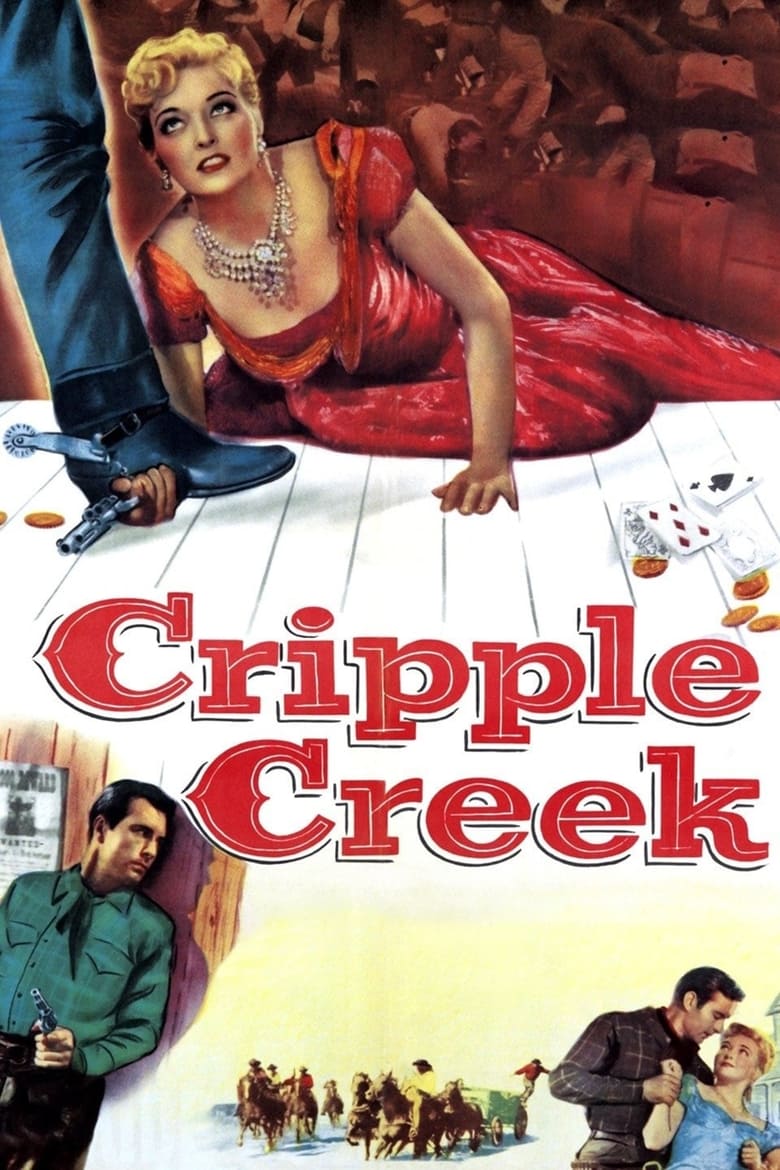
It's 1893 and gold is being smuggled out of the country. Instead of stealing gold bars, the outlaws are stealing high grade ore, having it smelted, and then having it plated to look like lead. The Government sends agents Bret and Larry who arrive in Cripple Creek posing as Texas gunfighters. Bret finds the smelting operation and Larry learns of the payoff. But the crooked town Marshal is suspicious of the two men and the reply of his inquiry to Texas exposes them putting their lives in danger.
Overall Score
Limited
Category Breakdown
LGBTQ+ Representation
The film adheres to the heteronormative social structures typical of 1952 cinema. There are no visible LGBTQ+ characters or narratives that challenge traditional norms.
Gender Representation
Narrative agency is centered on male archetypes like gunfighters and lawmen. Female roles appear relegated to secondary or domestic positions within the traditional gender hierarchy.
Racial & Ethnic Diversity
The story follows an Anglo-centric lens common to mid-century Westerns. The casting reflects the homogeneous norms of the period without significant non-white representation.
Religious & Cultural Diversity
The plot focuses on Western law, order, and the protection of property. It reinforces traditional values regarding patriotism and the legitimacy of state institutions.
Disability Representation
There is no evidence of characters with physical or neurodivergent disabilities. Disability is not a featured element of this narrative architecture.
Strengths
Areas for Improvement
AI Analysis
Cripple Creek is a standard mid-century B-movie Western that prioritizes genre tropes over social complexity. The story centers on masculine archetypes and institutional authority, driving a plot of gold smuggling and law enforcement. The film reinforces the established social hierarchies of the 1950s. It lacks meaningful representation of LGBTQ+ identities, diverse racial groups, or characters with disabilities, functioning instead as a traditionalist genre piece. Ultimately, the film serves to uphold conventional Western values of property and state legitimacy rather than subverting or expanding the cinematic landscape.
1952

1951
1947
1946
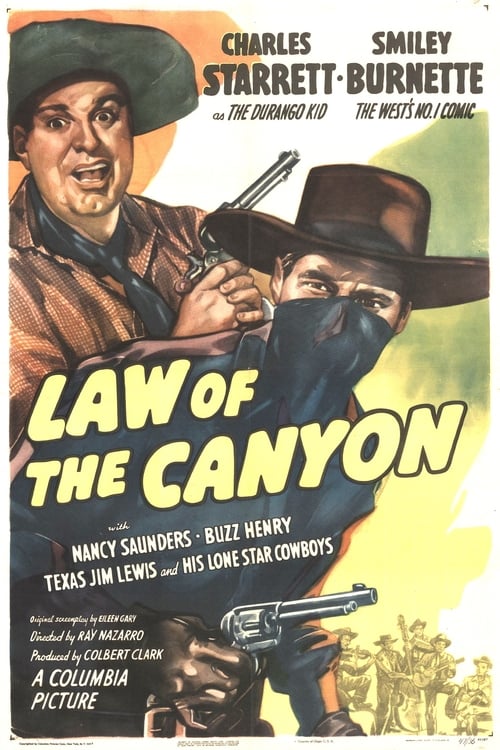
1947

1948
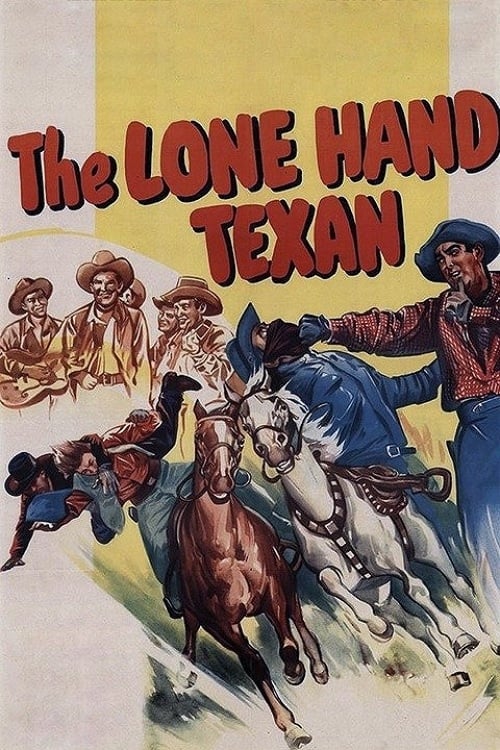
1947
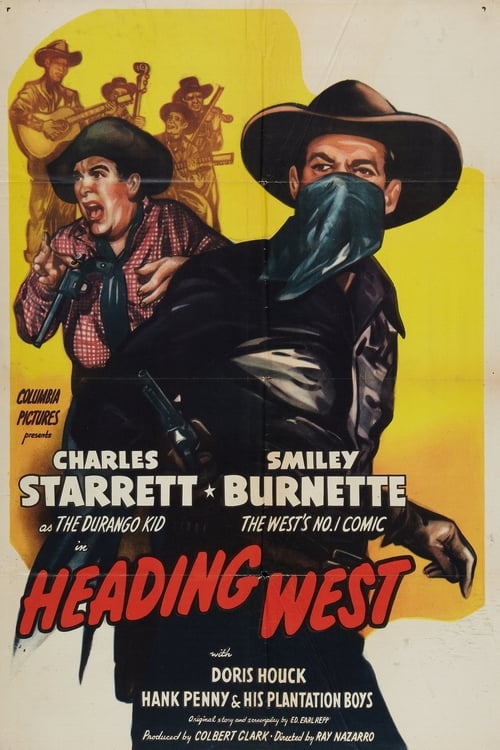
1946
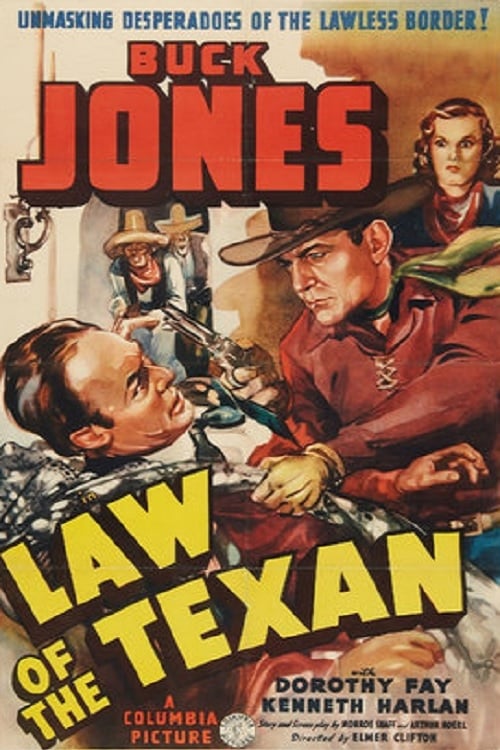
1938
1940
1963

1940
No reviews yet. Be the first to share your thoughts on this movie!
Use the rating form above to leave a star rating and optional review.