
Tere Ghar Ke Samne
1963
No user ratings available yet
Representation score: 1.3 out of 10
Representation Score
Minimal
1968
Not RatedDirector
Jyoti Swaroop
Runtime
157 minutes
Average Rating
No ratings yetNew Showbiz Analysis
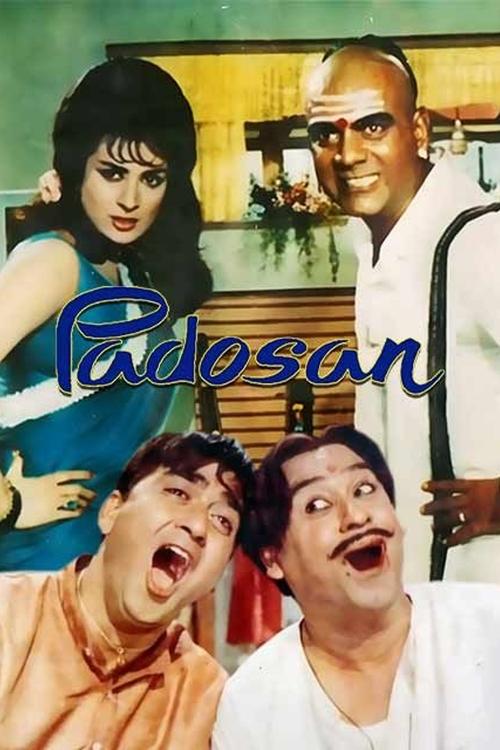
Padosan stands out as a landmark musical comedy that excels in regional authenticity and genre-specific entertainment. Its predominantly South Asian cast and setting offer a culturally cohesive experience free from Western-centric casting. However, the film adheres closely to traditional social structures, relying on established romantic clichés and straight-centered conventions. It offers limited opportunities for subverting gendered or social hierarchies. Ultimately, Padosan prioritizes escapism and slapstick humor over systemic critique, making it a strong representation of its time but lacking the complexity needed to challenge conventional social dynamics.
Category Breakdown
The film does not include any queer identities or LGBTQ+ characters, focusing solely on heterosexual relationships.
The movie reinforces traditional gender roles. The male lead drives the plot, while the female lead mainly serves as an object of desire.
The film showcases a predominantly South Asian cast and setting, providing a high level of ethnic authenticity through local cultural aesthetics.
The narrative upholds traditional social cohesion and romantic ideals without challenging institutional norms or presenting anti-establishment sentiments.
There are no prominent portrayals of physical or neurodivergent disabilities in the film.
Present on Screen
Limited or Absent
Official Synopsis
A simple man from a village falls in love with his new neighbor. He enlists the help of his musical-theater friends to woo the lovely girl-next-door away from her music teacher.
1963
1967
1994
2000
1964

2004

1965

1955
No reviews yet. Be the first to share your thoughts on this movie!
Use the rating form above to leave a star rating and optional review.