Nadja in Paris
1964
No user ratings available yet
Diversity score: 4.0 out of 10
1966
Director
Éric Rohmer
Runtime
13 minutes
Average Rating
No ratings yetSynopsis
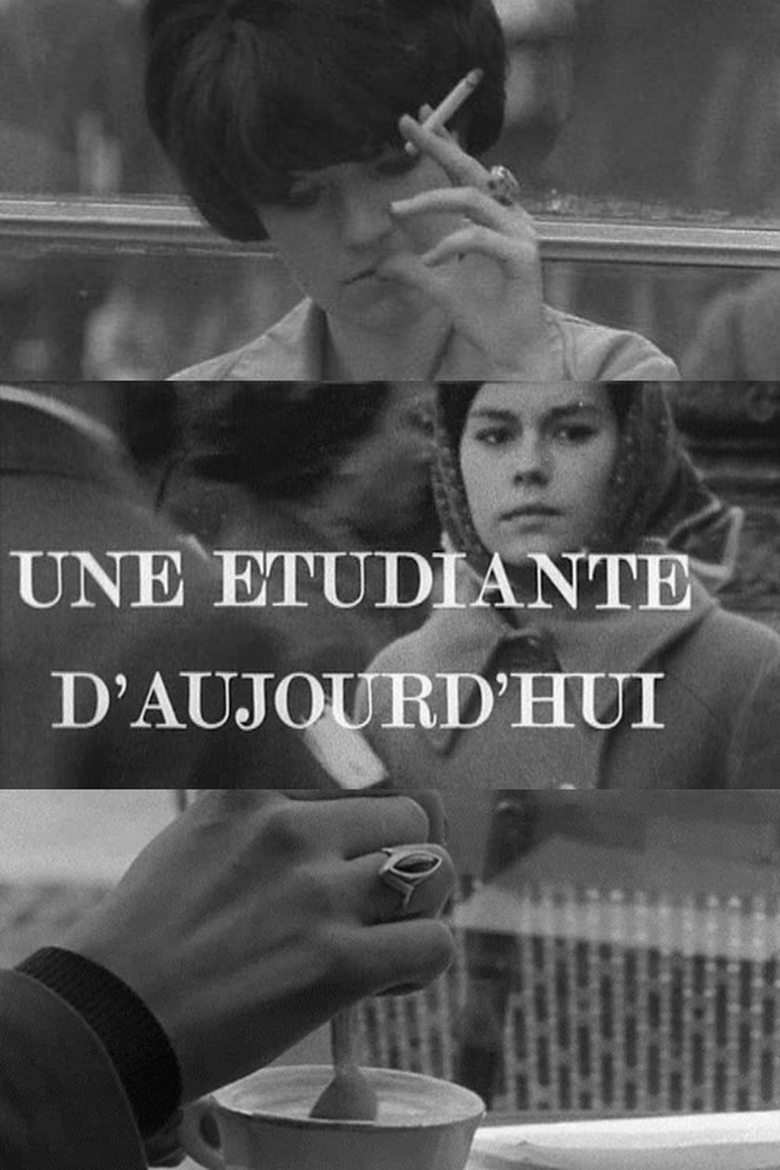
Eric Rohmer directs this short documentary that narrates the presence of women in French universities as of the time of its release -- 1966. During the film's short run, the narrator continues to point out that during the advent of World War II, only 21,000 women attended college and made only a 30 % of the student body, a number that by the 1964-1965 school year had passed the 120,000 mark. Instead of opting to live according to what was expected of them, now they were joining the work force, trading in aprons for lab jackets and becoming professionals even after getting married.
Overall Score
Fair
Category Breakdown
LGBTQ+ Representation
The documentary focuses on the sociological landscape of 1960s French academia. It lacks any documented queer narratives or non-cisnormative identities, operating within a traditional heteronormative framework.
Gender Representation
This work centers on female agency and intellectual pursuit. It highlights women transitioning from domestic roles to professional environments, effectively challenging the era's submissive gender hierarchies.
Racial & Ethnic Diversity
The film reflects the demographic homogeneity of 1966 France. It lacks visible racial diversity, presenting a student population that lacks ethnic plurality.
Religious & Cultural Diversity
The film offers a subtle critique of Western social structures. It explores the friction between historical domestic expectations and the evolving definition of the modern woman.
Disability Representation
There is no discernible focus on physical or neurodivergent representation within this short documentary.
Strengths
Areas for Improvement
AI Analysis
Éric Rohmer’s documentary serves as a significant historical record of shifting gender dynamics in mid-century France. Its primary strength lies in its documentation of women's transition from domesticity to professional and academic authority. However, the film is limited by the sociological constraints of its era. It lacks intersectional breadth, offering almost no representation for LGBTQ+ individuals or diverse racial groups, reflecting the homogeneous academic environment of 1966. Ultimately, while the film excels at capturing a specific moment of gendered social evolution, it remains a product of its time regarding broader ethnic and identity diversity.
1964
1974

1980
1979

2011

1951

2018
1963
1966

2021
1967

1968
No reviews yet. Be the first to share your thoughts on this movie!
Use the rating form above to leave a star rating and optional review.