Regrouping
1976
No user ratings available yet
Representation score: 6.4 out of 10
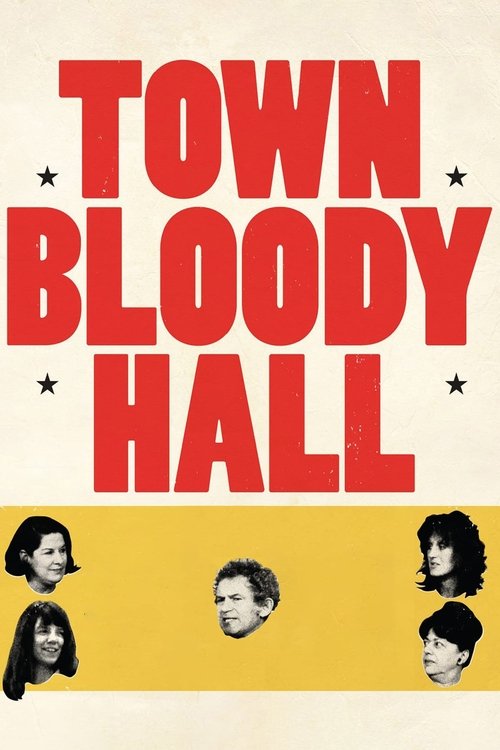
Representation Score
Fair
1979
Director
Chris Hegedus, D. A. Pennebaker
Runtime
88 minutes
Average Rating
No ratings yetNew Showbiz Analysis
Town Bloody Hall is a crucial historical document that prioritizes the disruption of traditional gender hierarchies. By focusing on Women's Liberation, the film highlights the intellectual ability to act of female voices, making it a progressive work for its time. While the film excels in cultural critique and gender representation, it remains a sociological observation rather than a character-driven drama. It captures the tension of shifting cultural values without centering specific identity-driven narratives. The work reflects the demographic realities of its era, providing a window into the social structures of the 1970s. It succeeds as an observational study of intellectual discourse and the deconstruction of institutional authority.
Category Breakdown
The film serves as an intellectual forum rather than a character study. It includes a queer perspective from Jill Johnston but lacks specific LGBTQ+ stories.
The documentary focuses on Women's Liberation, challenging traditional patriarchal structures. By highlighting feminists as key figures, it disrupts conventional domestic roles and masculine leadership.
The film reflects the demographics of its era but does not actively focus on multi-layered racial narratives. It captures the social structures of the time without delving deeply into specific racial issues.
The narrative questions established Western social institutions, exploring the complexities of power dynamics and the breakdown of traditional social roles.
There are no prominent depictions of disabilities that significantly impact the narrative.
Present on Screen
Limited or Absent
Official Synopsis
On the evening of April 30, 1971, a standing room only audience of local literati and feminists packed New York City’s Town Hall to watch Norman Mailer, who had just written “The Prisoner of Sex,” grapple with a panel of passionate feminists. The subject was Women’s Liberation, an issue on which Mailer seemed like the devil’s own advocate.
1976
1965

1971
2020
1986
1971

1976
1971
No reviews yet. Be the first to share your thoughts on this movie!
Use the rating form above to leave a star rating and optional review.