
Playboy: How to Reawaken Your Sexual Powers
1993
No user ratings available yet
Diversity score: 3.7 out of 10
1951
Director
David A Smart
Runtime
16 minutes
Average Rating
No ratings yetSynopsis
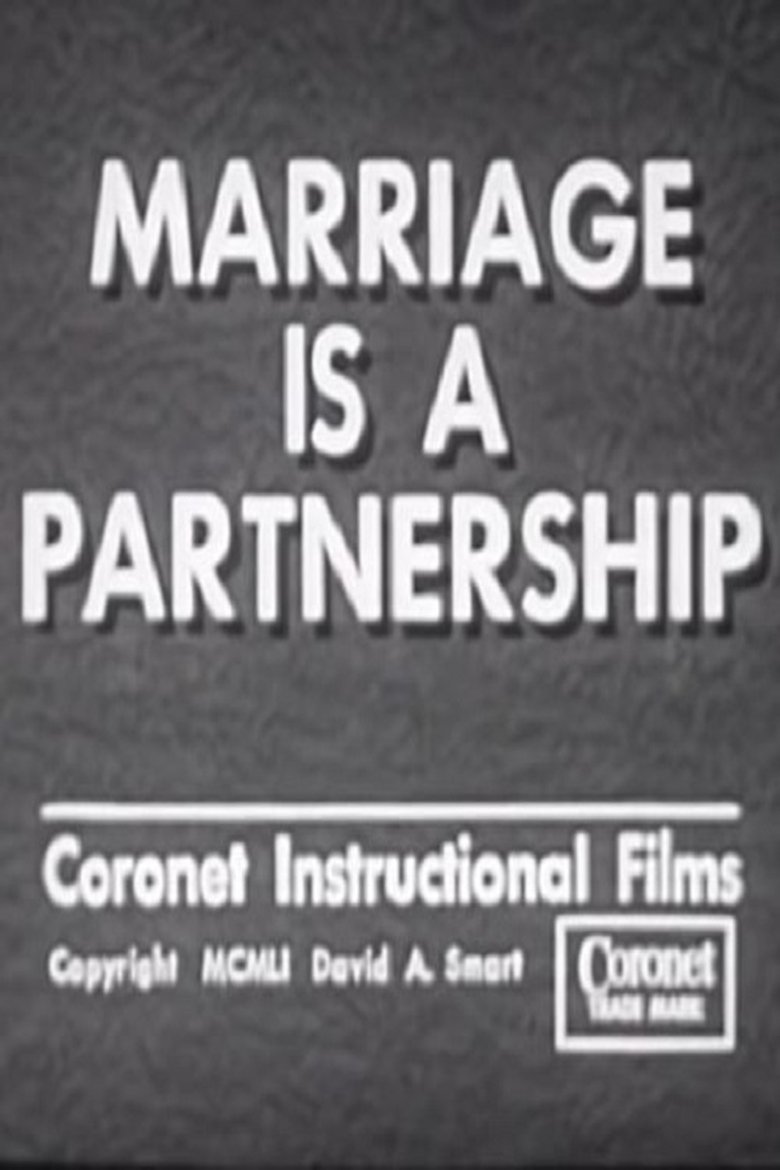
Flashback on the problems, adjustments and transformations occurring in the first year of a couple's married life. Pretty surprising film coming from Coronet about the "honeymoon is over" drama that newlyweds face. The marriage between Dotty and Pete is pretty traditional--Dotty quits her job to be a homemaker once they are married--but some more modernistic ideas come out, such as the idea that the two newlyweds decide together how the money that Pete earns will be spent, and the small mentions of sex. (!!) The "educational collaborator" listed at the beginning, Lemo Rockwood, was a professor at Cornell University, and her marriage course advocated sexual frankness and pre-marital experimentation, so it's easy to see her stamp on this film.
Overall Score
Limited
Category Breakdown
LGBTQ+ Representation
The film focuses exclusively on a heteronormative marital structure between Dotty and Pete. No non-cisnormative identities or queer narratives are present.
Gender Representation
While Dotty’s transition to homemaking reinforces traditional domestic spheres, the film introduces modernistic collaborative financial decision-making. This subtly challenges absolute male financial authority.
Racial & Ethnic Diversity
The film depicts a homogeneous white domestic unit. There is no evidence of racial blending or non-white casting within the narrative.
Religious & Cultural Diversity
The narrative shifts from rigid Christian morality toward a pragmatic, psychological approach. It emphasizes secular partnership and mutual adjustment through Lemo Rockwood’s theories.
Disability Representation
There is no documented evidence of characters with visible or invisible disabilities in this work.
Strengths
Areas for Improvement
AI Analysis
Marriage Is a Partnership serves as a transitional artifact of the early 1950s. It remains anchored in the era's traditional social structures, specifically regarding gendered labor and racial homogeneity. However, it demonstrates an early attempt to disrupt domestic power dynamics through collaborative agency. The film's progressive value lies in its movement toward secularism and the subversion of absolute patriarchal control. By advocating for a negotiated partnership rather than a purely religious or traditionalist hierarchy, it offers a unique pedagogical perspective for its time. Ultimately, the film reflects the social constraints of 1951 while simultaneously introducing modernistic ideas regarding financial management and sexual frankness.
1993

1961

2011

2007

1984
1969
2013

2019
1966

1973

1956

2015
No reviews yet. Be the first to share your thoughts on this movie!
Use the rating form above to leave a star rating and optional review.