
Sin in the Suburbs
1964
No user ratings available yet
Representation score: 4.2 out of 10
Representation Score
Limited
1967
Director
Lou Campa
Runtime
74 minutes
Average Rating
No ratings yetNew Showbiz Analysis
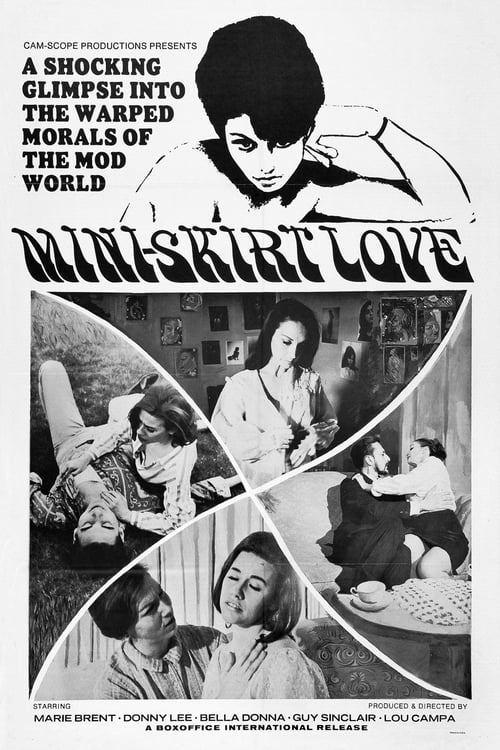
Mini-Skirt Love operates as a mid-century melodrama that prioritizes domestic chaos over progressive social commentary. It effectively dismantles the stable patriarchal structure, shifting the narrative focus to female-driven ability to act and consequence. However, the film lacks depth in exploring complex identities and social issues. The subversion of social norms is used primarily for plot progression rather than to empower underrepresented groups or explore diverse identities. Ultimately, the work remains a localized exploration of family dysfunction, offering limited engagement with racial, ethnic, or systemic diversity.
Category Breakdown
The film examines non-traditional living situations and relationships. However, it emphasizes the breakdown of the traditional family structure rather than celebrating diverse identities.
Women play key roles in driving the story and experiencing consequences. The narrative breaks down patriarchal structures through the accidental death of the father figure.
The story centers on a localized, homogeneous family unit. There is no indication of non-white or non-Anglo-Saxon casting in the narrative.
The film challenges the idealized image of the traditional family by showing the fragility of the home. It questions mid-century domestic ideals through themes of infidelity and disorder.
Mental health issues serve as a central plot driver through the mother's psychological struggles. The character primarily functions as a catalyst for conflict rather than a detailed portrayal.
Present on Screen
Limited or Absent
Official Synopsis
Billy is a teenager and enthusiastic photo hobbyist who takes pictures of his mother carrying on with another man, but is too naive to realize his mother is engaging in more than innocent horseplay. When he innocently shows his pictures to Daddy, he unwittingly starts a melee that ends in Daddy's accidental death and Mommy's mental collapse and confinement in a hospital. Enter Aunt Janet, Daddy's sister, to take care of Billy. Supposedly a frigid woman who "can't stand men", Aunt Janet is nevertheless loving and affectionate with young Billy, and when she sees the fatal snapshots, she even takes their relationship to the next level. But can their happy life together survive the return from hospital of a still-disturbed Mommy?
1964

1961
1968

1956

1967
1971

1968

1969
No reviews yet. Be the first to share your thoughts on this movie!
Use the rating form above to leave a star rating and optional review.