
The Robe
1953
No user ratings available yet
Representation score: 2.0 out of 10
Representation Score
Minimal
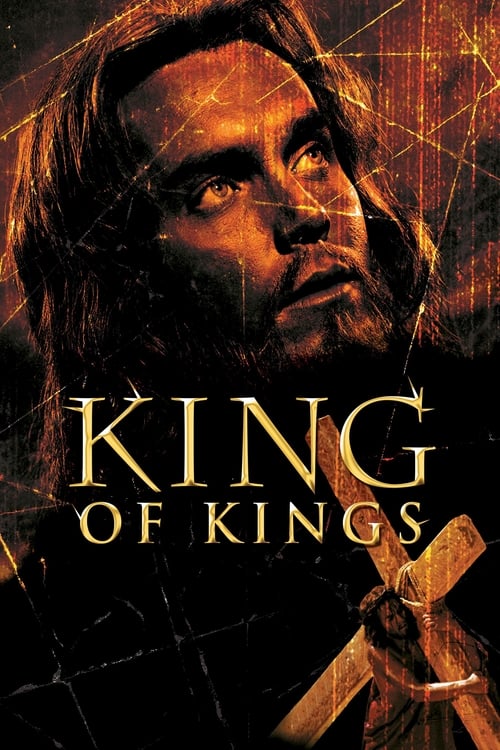
1961
PG-13Director
Nicholas Ray
Runtime
171 minutes
Average Rating
No ratings yetNew Showbiz Analysis
Nicholas Ray’s epic is a traditional historical drama that emphasizes grand scale and religious orthodoxy over challenging social norms. It reinforces established social and religious hierarchies rather than questioning them. The film captures the tension between Roman occupation and Judean independence through a lens that upholds traditional Western values. Casting and character dynamics adhere to the patriarchal and racial norms of the early 1960s.
Category Breakdown
The film does not include any representation of LGBTQ+ identities or same-sex relationships, sticking to the heterosexual norms of its time.
Women in the film are primarily shown in domestic or religious roles, such as Mary and Mary Magdalene, and do not hold positions of power or influence.
The cast includes a mix of Jewish and Roman characters, reflecting the Mediterranean setting of the story. However, the casting follows the conventions of the 1960s rather than modern inclusive practices.
The story is centered around a traditional Christian moral framework, emphasizing family and religious authority as key elements of the narrative.
The film does not feature any characters with physical or cognitive disabilities, nor do characters with limitations play a central role in the plot.
Present on Screen
Limited or Absent
Official Synopsis
Who is Jesus, and why does he impact all he meets? He is respected and reviled, emulated and accused, beloved, betrayed, and finally crucified. Yet that terrible fate would not be the end of the story.
1953

1965
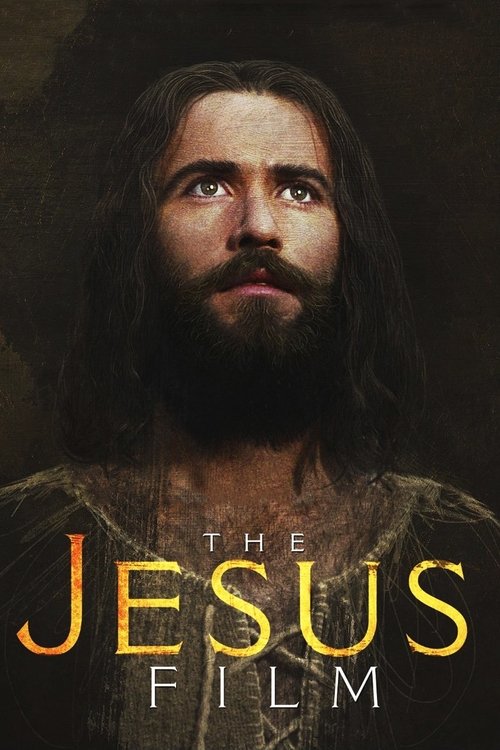
1979
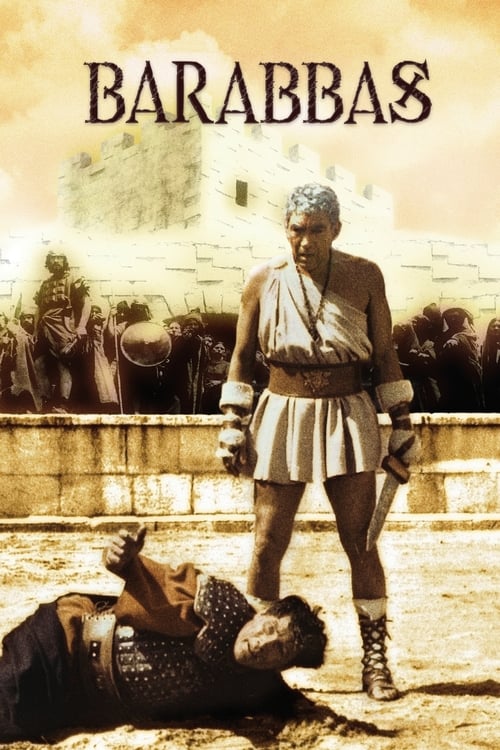
1961
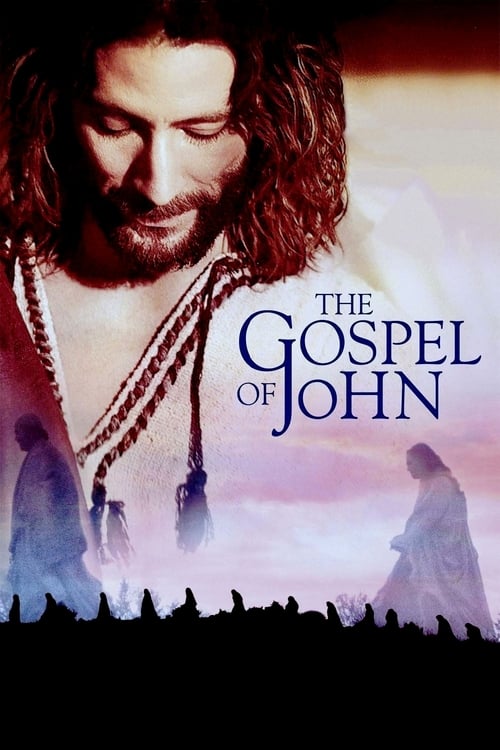
2003
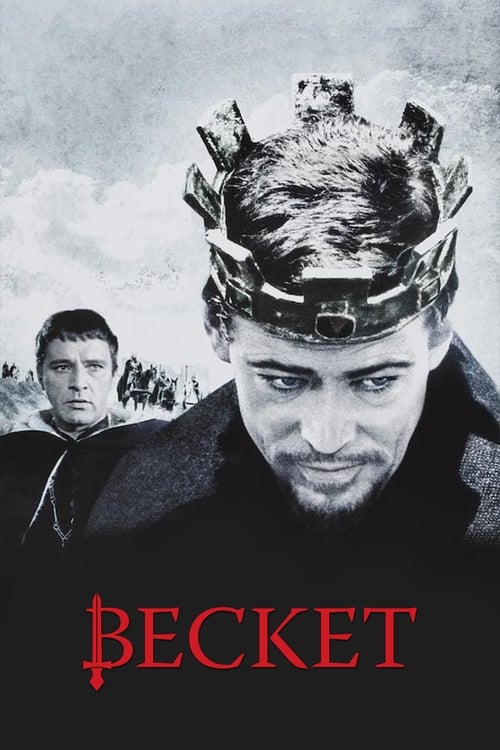
1964
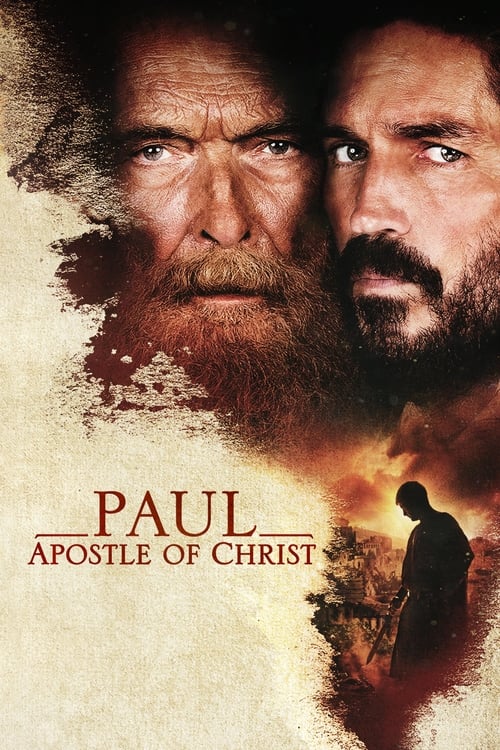
2018

1951
No reviews yet. Be the first to share your thoughts on this movie!
Use the rating form above to leave a star rating and optional review.