
Nixon
1995
No user ratings available yet
Representation score: 2.3 out of 10
Representation Score
Minimal
2008
RDirector
Ron Howard
Runtime
122 minutes
Average Rating
No ratings yetNew Showbiz Analysis
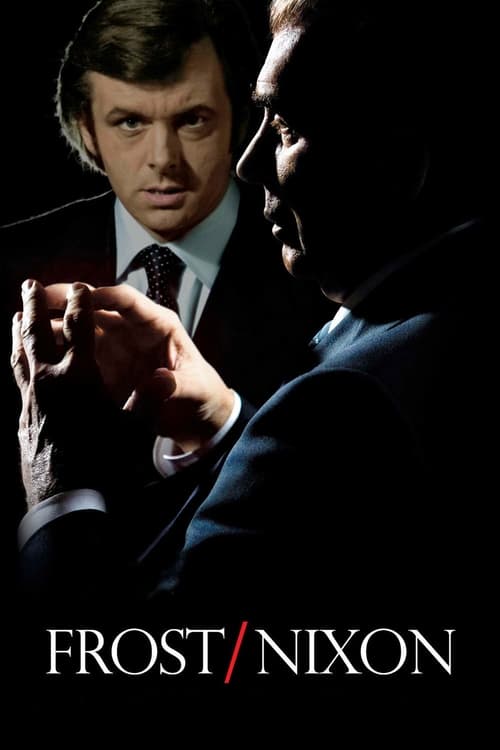
Frost/Nixon is a focused biographical drama that emphasizes a psychological exploration of power over broad demographic representation. The film delves into the intense intellectual confrontation between two men, which inherently limits the narrative scope to a specific historical period. While the film effectively dismantles the myths surrounding political leadership and institutional responsibility, it does so through a lens that upholds traditional, homogeneous power structures. The storytelling follows conventional patterns rather than challenging societal hierarchies. Ultimately, the film's concentration on the 1970s political and media elite leads to a lack of representation for underrepresented groups, reinforcing a patriarchal and racially homogeneous status quo.
Category Breakdown
The film sticks to traditional views of gender and orientation, showing no characters with non-binary identities or same-sex relationships.
The story centers around male ego and political strategy, sidelining women to minor roles or background elements.
The cast is uniform, reflecting a predominantly white, Anglo-Saxon setting typical of the 1970s political scene. It lacks diverse racial or ethnic representation.
The film provides a detailed look at the tension between truth and media spectacle in Western politics without promoting anti-Western ideas.
The film does not include any characters with physical, sensory, or neurodivergent disabilities. All characters are shown as fully able-bodied and neurotypical.
Present on Screen
Limited or Absent
Official Synopsis
For three years after being forced from office, Nixon remained silent. But in summer 1977, the steely, cunning former commander-in-chief agreed to sit for one all-inclusive interview to confront the questions of his time in office and the Watergate scandal that ended his presidency. Nixon surprised everyone in selecting Frost as his televised confessor, intending to easily outfox the breezy British showman and secure a place in the hearts and minds of Americans. Likewise, Frost's team harboured doubts about their boss's ability to hold his own. But as the cameras rolled, a charged battle of wits resulted.
1995

1964
2005
2017
2018

2017
1976
1968
No reviews yet. Be the first to share your thoughts on this movie!
Use the rating form above to leave a star rating and optional review.