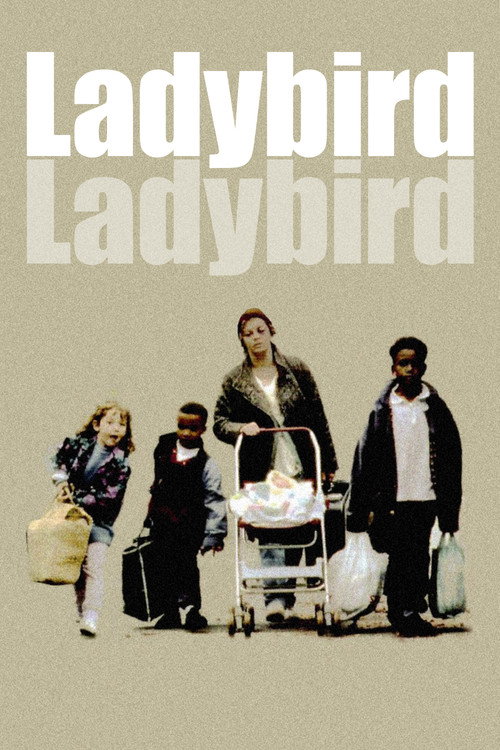
Ladybird Ladybird
1994
No user ratings available yet
Representation score: 8.2 out of 10

Representation Score
Good
2000
Director
Per Fly
Runtime
89 minutes
Average Rating
No ratings yetNew Showbiz Analysis
Per Fly’s drama examines class-based exclusion and the tension between individuals and the welfare state. It avoids idealizing the working-class hero, focusing instead on the psychological impact of socioeconomic failure. The film effectively dismantles traditional masculine archetypes and critiques institutionalized social management. It uses the fragmented family unit to highlight the limitations of systemic support. However, the narrative remains traditional in its social composition. It lacks explicit representation of LGBTQ+ identities, multi-ethnic diversity, or specific physical disabilities, concentrating instead on the internal struggles of a homogeneous population.
Category Breakdown
The film focuses on traditional family dynamics and does not include explicit LGBTQ+ identities or diverse gender expressions, which limits its challenge to societal norms.
The movie deconstructs the idea of the self-reliant patriarch by showing masculine pride as a hindrance to survival. Female characters play crucial roles, transitioning from victims of domestic violence to agents of change.
The story centers on class struggles within a uniform social environment, emphasizing the socioeconomic divide rather than multi-ethnic or multi-layered racial dynamics.
The film provides a nuanced critique of Western social institutions and bureaucratic systems. It portrays state-led job training programs as impersonal forces that strip individuals of their dignity.
Though physical disabilities are not featured, the film delves into the psychological trauma of social isolation. Characters face mental health issues linked to long-term unemployment and systemic neglect.
Present on Screen
Limited or Absent
Official Synopsis
Kaj is a stubborn man with a great deal of pride. The former chef lives in a council flat. He has wasted his life and is now on a council job training scheme for the long-term unemployed, where he refuses to let the foreman of the activation project boss him about. When Kaj's daughter, with whom he has not been in touch for nineteen years, moves into the same council estate on the run from her violent husband, a change comes over Kaj. His initial instinct is to avoid her, but by chance he ends up helping to look after Jonas, her six-year-old son. For the first time for years Kaj need not survive on his own devices. Now he has responsibilities and a family of his own.
1994

1999

2000

2000

2007

1998

2006

2014
No reviews yet. Be the first to share your thoughts on this movie!
Use the rating form above to leave a star rating and optional review.