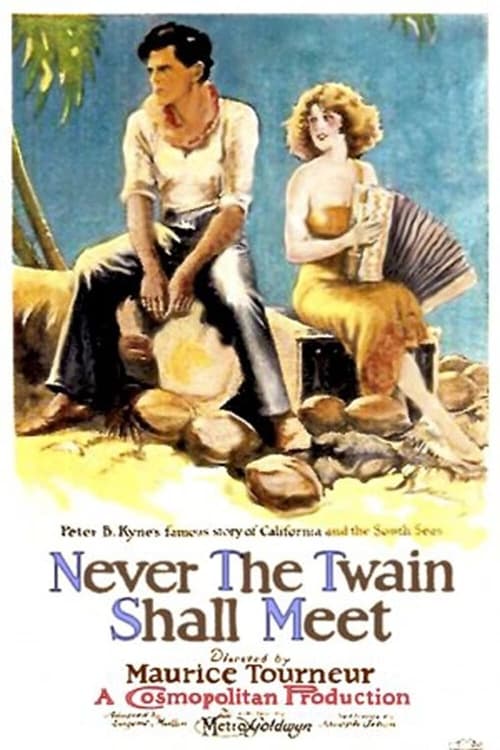
Never the Twain Shall Meet
1925
No user ratings available yet
Representation score: 0.6 out of 10
Representation Score
Minimal
1920
Director
D.W. Griffith
Runtime
104 minutes
Average Rating
No ratings yetNew Showbiz Analysis
The film adheres to the conventional colonialist and religious frameworks of the early silent era. It prioritizes the tension between Western morality and exotic landscapes over progressive character's ability to drive the story. While the presence of a native dancer provides non-white representation, the central conflict revolves around the perceived necessity of Western moral structures. This suggests a narrative designed to uphold, rather than disrupt, established social hierarchies. Ultimately, the film's structure relies on cultural archetypes that favor masculine ideological struggles and Western-centric viewpoints.
Category Breakdown
The film does not include any representation of LGBTQ+ identities. The story focuses on a conflict between religious zealots and civilization, which aligns with conservative moral frameworks.
The story centers on conflicts involving male figures. A native dancer serves as a catalyst for male development rather than having an independent role.
The film's South Seas setting presents indigenous cultures as exotic backdrops. The narrative emphasizes 'civilizing' the natives, reinforcing traditional Western hierarchies and colonialist clichés.
The film explores a clash between Western religious zealotry and a non-Western setting. This structure likely reinforces Western cultural superiority rather than critiquing colonial imposition.
There is no information about characters with visible or invisible disabilities in this work.
Present on Screen
Limited or Absent
Official Synopsis
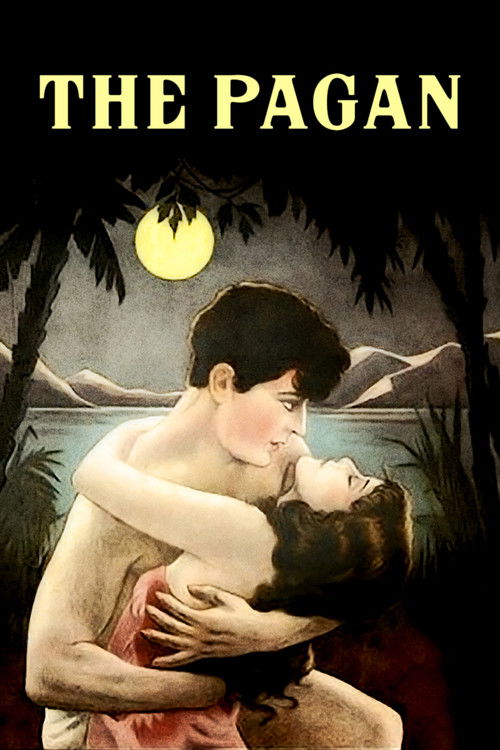
A religious zealot and his nephew are thrown together on a South Seas Island with an alcoholic beachcomber and a native dancer. A battle to see who will 'civilize' whom ensues.
1925
1920

1953

1931

1928
1930
1929

1932
No reviews yet. Be the first to share your thoughts on this movie!
Use the rating form above to leave a star rating and optional review.