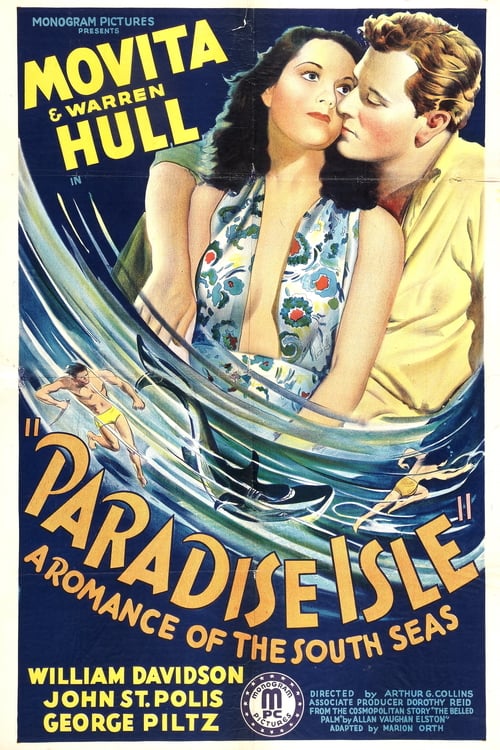
Paradise Isle
1937
No user ratings available yet
Representation score: 2.7 out of 10

Representation Score
Limited
1928
PassedDirector
W.S. Van Dyke
Runtime
88 minutes
Average Rating
No ratings yetNew Showbiz Analysis
White Shadows in the South Seas is a complex film that challenges the racial and cultural norms of the 1920s. It centers an interracial romance and portrays Western influence as corrupt. However, the film's narrative structure emphasizes men's control over the story and decision-making, limiting the female characters' autonomy. The film provides a critique of colonial pressures and Western institutional corruption, presenting an idealized view of indigenous life as a positive alternative to Western social structures.
Category Breakdown
The film does not include any LGBTQ+ characters or non-straight relationships. The story focuses solely on heterosexual relationships.
The film reinforces early 20th-century gender roles. The male protagonist drives the plot, while the female lead mainly serves as a romantic interest.
The film features a large cast of Pacific Islanders, including actual indigenous people. It also depicts an interracial romance, challenging the racial norms of the time.
The story criticizes Western institutions and portrays an idealized indigenous lifestyle as a positive alternative to Western social structures.
The film does not significantly depict physical or neurodivergent disabilities that play a key role in the narrative or as central character traits.
Present on Screen
Limited or Absent
Official Synopsis
An alcoholic doctor on a Polynesian island, disgusted by white exploitation of the natives, finds himself marooned on a pristinely beautiful island.
1937
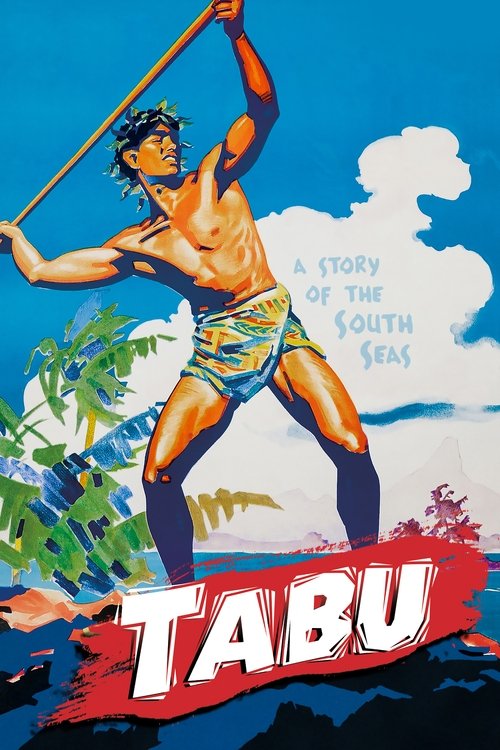
1931

1930
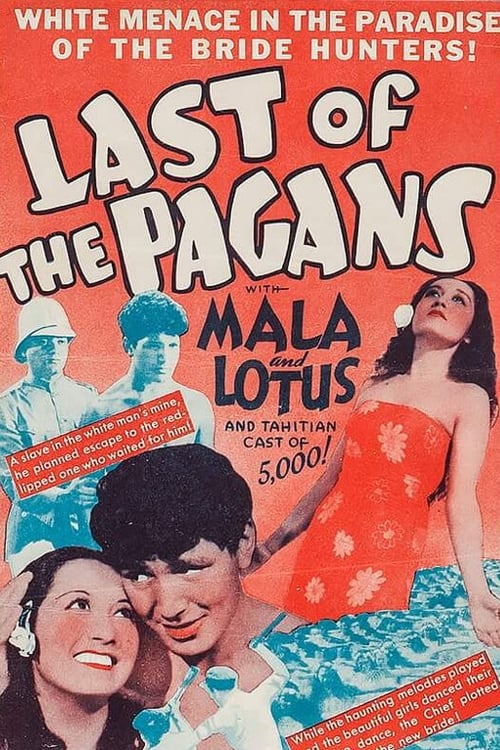
1935
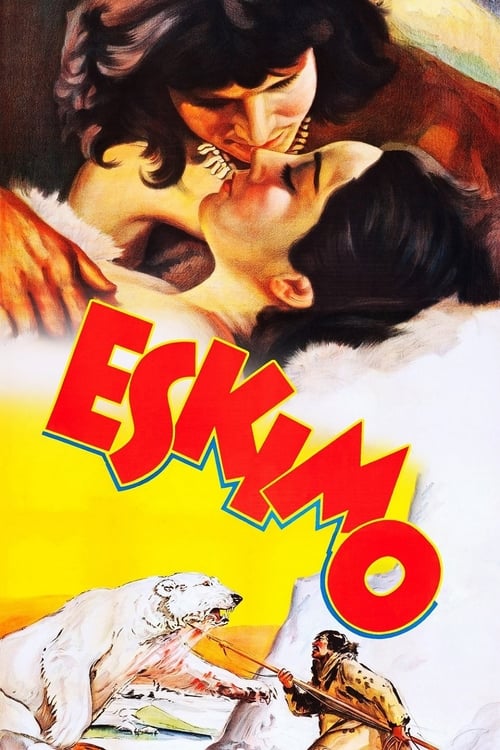
1933
1931
1941
1932
No reviews yet. Be the first to share your thoughts on this movie!
Use the rating form above to leave a star rating and optional review.