
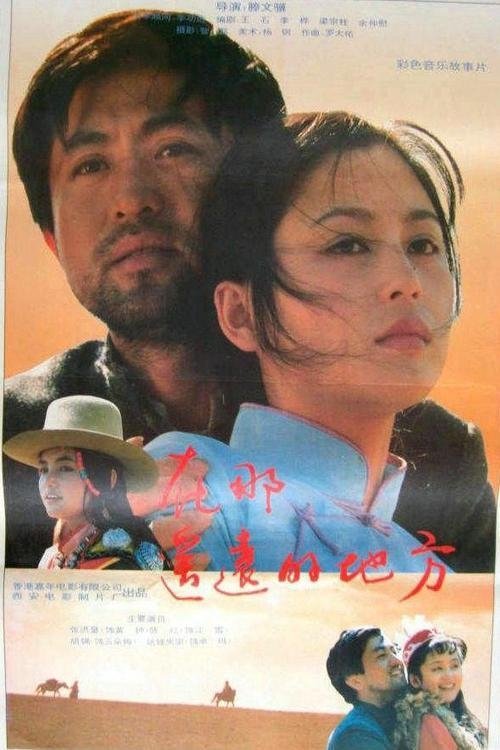
The Dove's Bell-ringer
1994
No user ratings available yet
Representation score: 3.6 out of 10
Representation Score
Limited
1993
RDirector
Teng Wenji
Runtime
94 minutes
Average Rating
No ratings yetNew Showbiz Analysis
Teng Wenji’s work uses the Tibetan plateau as a central narrative element rather than a mere backdrop. The film provides a non-Han cultural perspective, which challenges the dominance of urban-centric or Westernized storytelling. However, the film lacks depth regarding multi-layered identities. There is no evidence of LGBTQ+ representation or the subversion of traditional gender roles, leaving the social dynamics feeling conventional. Ultimately, the film's value lies in its geographic and ethnic specificity. It provides a meaningful departure from standard cinematic norms by grounding its tragic romance in a distinct, non-Western cultural landscape.
Category Breakdown
The film does not include any LGBTQ+ characters or narratives. It follows conventional romantic structures.
The character dynamics are not clearly defined, but the romance framework may emphasize female emotional ability to act. There is no clear subversion of traditional gender hierarchies.
The film centers on the Tibetan plateau, prioritizing a non-Han ethnic identity. This approach disrupts the homogeneity common in mainstream commercial cinema.
By focusing on a localized, non-Western landscape, the film offers an alternative to globalized narratives. It emphasizes a specific regional identity and cultural aesthetic.
There is no documented evidence regarding the inclusion of characters with physical or neurodivergent disabilities.
Present on Screen
Limited or Absent
Official Synopsis
A tragic romance set in the Tibetan plateau.
1994
1986

2002
1999
2006
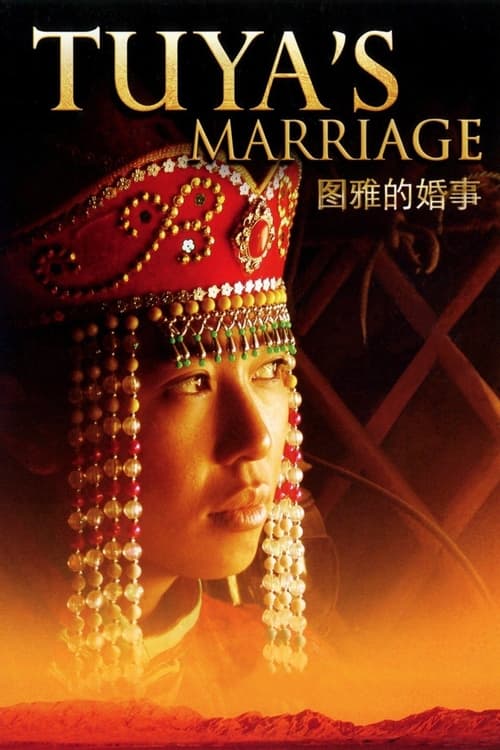
2006
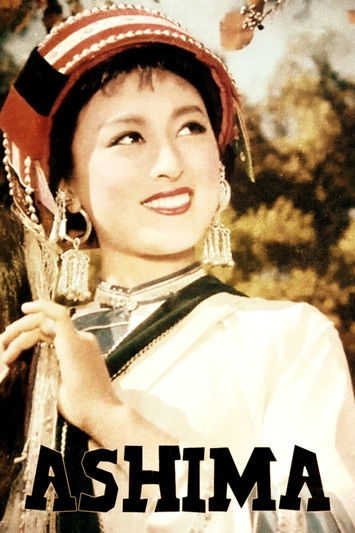
1965

2018
No reviews yet. Be the first to share your thoughts on this movie!
Use the rating form above to leave a star rating and optional review.