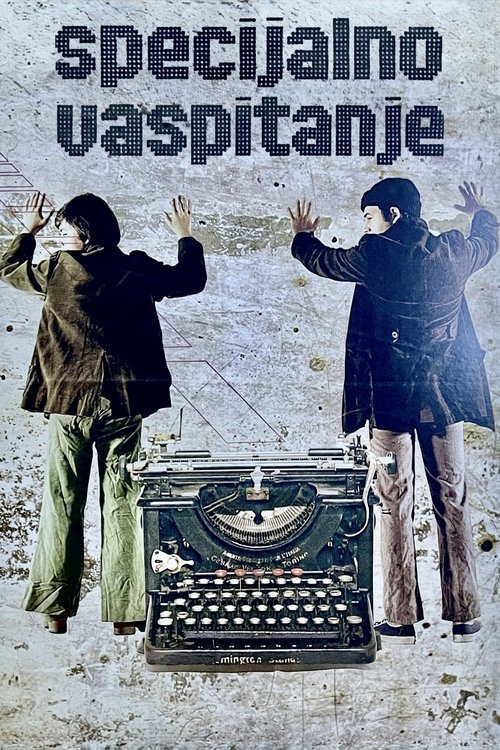
Special Education
1977
No user ratings available yet
Representation score: 6.7 out of 10

Representation Score
Good
1989
Director
Ferenc Kardos
Runtime
93 minutes
Average Rating
No ratings yetNew Showbiz Analysis
Truants is a social realist drama that finds its strength in subverting institutional clichés. By focusing on the psychological friction between a underrepresented student and an empathetic educator, it moves away from traditional didacticism to explore systemic emotional neglect. However, the film's diversity is limited by its specific socio-political context. The narrative remains centered on a homogeneous demographic, lacking visible representation of racial or LGBTQ+ identities. While it succeeds in deconstructing authority and masculinity, it does not offer much multi-layered breadth.
Category Breakdown
The film does not include explicit representations of LGBTQ+ identities or same-sex intimacy. The relationship between the student and his mentor is emotionally close but does not confirm any queer subtext.
The film challenges traditional masculine roles by depicting Mr. Csőrös as an empathetic leader who prioritizes emotional labor and listening over rigid command. This portrayal contrasts with the usual authoritarian figure in institutional dramas.
Set in 1989 Hungary, the film features a homogeneous demographic with no evidence of diverse racial casting or non-white characters driving the narrative.
The story critiques traditional social structures by presenting the nuclear family and reformatory schools as sources of trauma. It emphasizes individual experiences over institutional stability.
The film explores psychological struggles through Sanyi’s inability to cope with maternal rejection. However, these are portrayed as character motivations rather than specific disability identities.
Present on Screen
Limited or Absent
Official Synopsis
In the country reformatory school both the teacher and the children are trapped by the circumstances. From among the pupils excels Sanyi, who cannot accept the fact that his mother does not love him and he keeps on escaping after her. From among the teachers it is Mr. Csőrös who distinguishes himself by listening to the children, looking for those who escaped, Sanyi feels affection to him.
1977

2015

1990

1999

2005

1979

2010

1989
No reviews yet. Be the first to share your thoughts on this movie!
Use the rating form above to leave a star rating and optional review.